بطاقات أعمال ألياف الكربون: الدليل الكامل لـ 2026
كل ما تحتاج معرفته لطلب بطاقات أعمال كربون مخصصة — المواد وخيارات الطباعة وتكامل NFC والتسعير.
أُعد هذا الدليل التقني بواسطة فريق الهندسة في MASTERMATE بناءً على خبرتنا في اختيار مواد ألياف الكربون، وتصنيع المركبات، والتشغيل الآلي CNC، وإنتاج OEM/ODM.
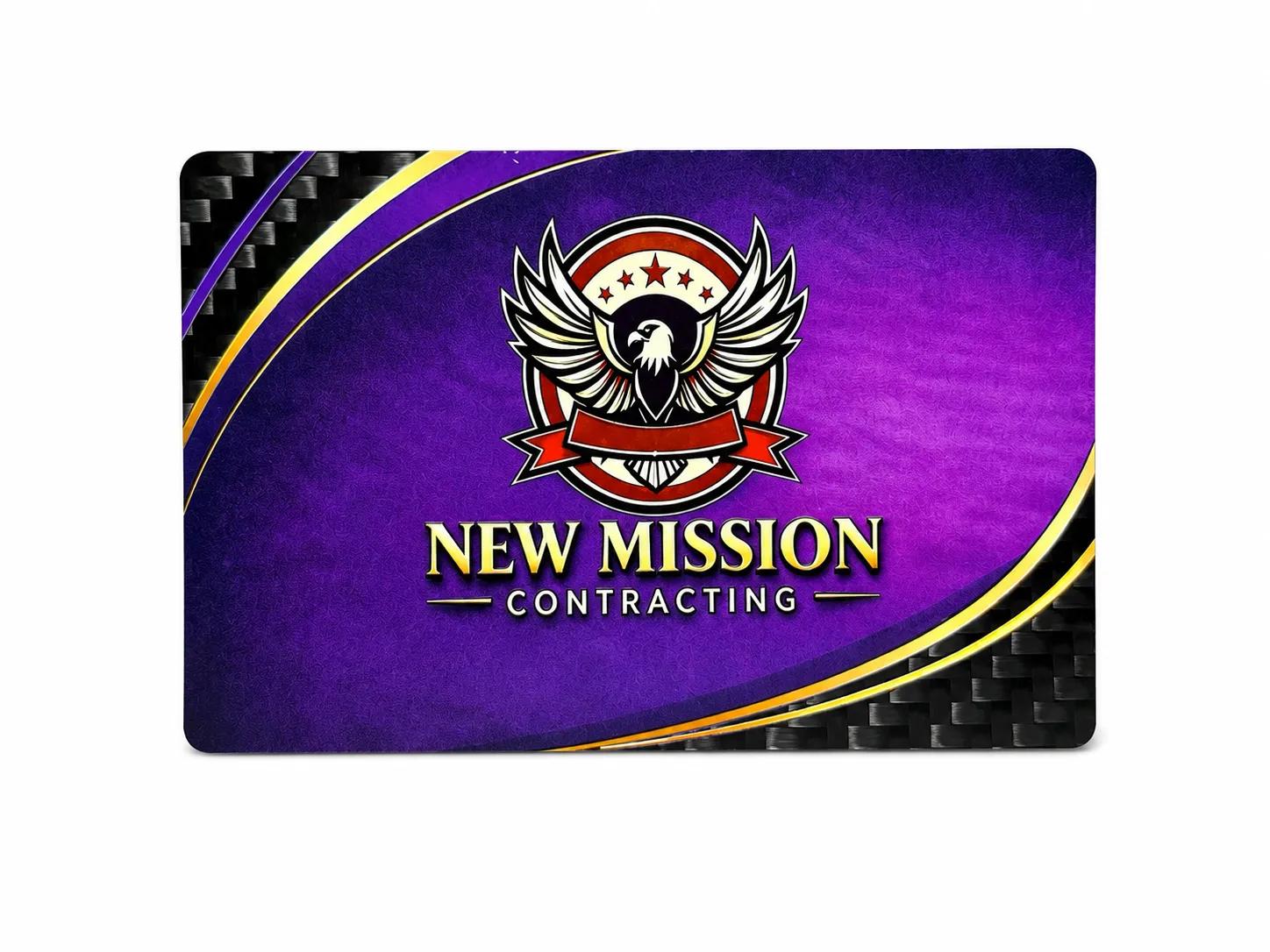
تقع بطاقة أعمال الكربون عند تقاطع إكسسوار فاخر وأداة تواصل وبيان علامة صغير لكنه قوي. إن أُحسنت، تدوم أطول من كل بطاقة ورقية تنافسها، وتبني لحظة تسليم لا تُنسى حضوريًا، ومع NFC تتحول إلى أصل تسويق رقمي يعمل بعد انتهاء الاجتماع. يمر هذا الدليل بقرارات المادة والطباعة وNFC والطلب التي تحدد التكلفة والموعد وجودة المظهر النهائية.
تشريح بطاقة أعمال كربون فاخرة
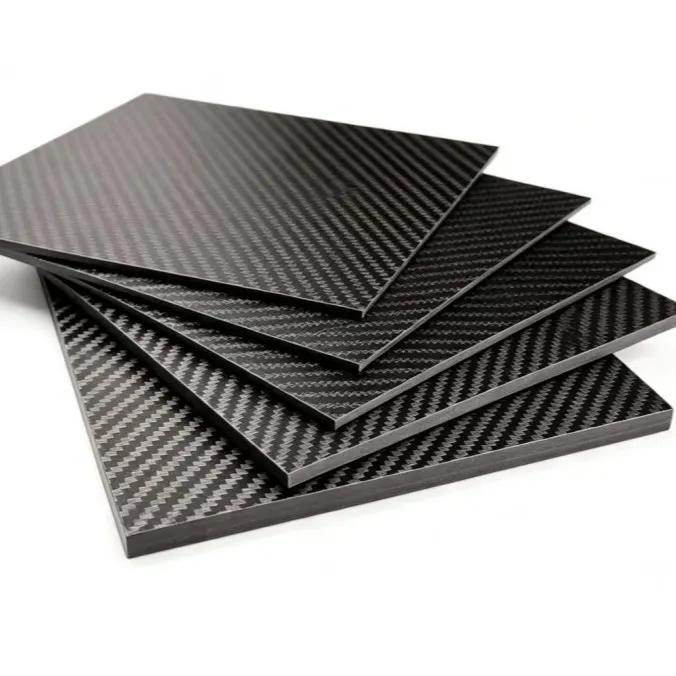
بطاقة CFRP حديثة مركب ثلاثي الطبقات: نواة كربون هيكلية، طبقة NFC داخلية اختيارية، وطلاء علوي معالج بالـ UV يحمل الطباعة. فهم دور كل طبقة يجعل الطلب أسهل بكثير [1].
- نواة الكربون — عادة 0.4–0.7 mm من صفيحة prepreg منسوجة 3K أو 12K. تحدد نمط النسيج المرئي والوزن والإحساس.
- إدراج NFC اختياري — شريحة + هوائي بسماكة 0.1 mm تحت الطلاء. غير مرئي من الخارج.
- طلاء UV علوي — 50–100 µm بولي يوريثان شفاف يحمي الكربون ويقبل حبر UV.
- طباعة السطح — حبر معالج بالـ UV عادة 8–25 µm. CMYK + أبيض موضعي ممكن؛ UV موضعي يضيف بعدًا ثالثًا للإبرازات.
الأحجام والأوزان والإحساس
| التنسيق | الأبعاد | السماكة | الوزن | الأفضل لـ |
|---|---|---|---|---|
| بطاقة ائتمان قياسية (CR80) | 85.6 × 53.98 mm | 0.5–0.8 mm | 4–7 g | افتراضي لمعظم الاستخدامات |
| بطاقة مصغرة | 70 × 28 mm | 0.4–0.6 mm | 2–4 g | صديقة للجيب، فعاليات تواصل |
| مربعة / عتيقة | 60 × 60 mm | 0.5 mm | 4–5 g | مصممون ووكالات |
| كتيب بحجم رسالة | 203 × 127 mm | 0.6 mm | 15–22 g | تسليم مبيعات عالي اللمس |
| شكل مخصص | أي (قطع CNC) | 0.5–0.8 mm | يتفاوت | صور ظلية علامة، تمائم |
خيارات الطباعة مقارنة
يعتمد مظهر الطباعة ومتانتها على الحبر والطلاء والاستخدام. افحص اللون والتآكل بعينة فعلية، وأكد الحد الأدنى والتكلفة في عرض السعر.
بطاقات NFC الذكية — كيف تعمل التقنية
شرائح NTAG213/215/216 وسوم NFC Forum Type 2 سلبية وليست بيانات دفع Apple Pay. الرابط القصير غالبًا أسهل تحديثًا من vCard على الوسم. تتأثر القراءة بالهاتف والإعدادات وموضع الهوائي قرب الكربون الموصل.
- تذكر NXP أن ذاكرة المستخدم القابلة للكتابة في NTAG213 / 215 / 216 هي 144 / 504 / 888 بايت؛ تستهلك NDEF جزءًا إضافيًا من السعة.
- لا يمكن إعادة كتابة الوسم إلا إذا لم يُقفل وكانت الصلاحيات تسمح. يمكن لتطبيقات iPhone أو Android المتوافقة تحديث الوسم القابل للكتابة.
حجب RFID — طبقة مختلفة تمامًا
يعمل NFC عند 13.56 MHz. قد يقلل الحجب أيضًا من قراءة NFC المطلوبة. اختبار 125 kHz لا يثبت حماية بطاقة دفع لاتلامسية؛ اختبر المنتج النهائي.
التسعير — ماذا تتوقع أن تدفع
لا يوجد سعر موحد لكل بطاقة. تعتمد التكلفة على الكمية والصفائح والطباعة والتشطيب وNFC والأدوات والفحص. اطلب أسعار العينة والإعداد والوحدة والشحن منفصلة.
ما وراء بطاقات الأعمال
بمجرد إعداد العلامة لإنتاج بطاقات CFRP، يُخرج نفس خط المصنع منتجات مجاورة. أكثر الإضافات شيوعًا في خط عروضنا:
- بطاقات VIP / عضوية — نوادٍ ومطاعم وصالات؛ عادة بطباعة مسلسلة.
- مفاتيح فنادق — عقارات فاخرة تستبدل الشريط المغناطيسي بعلامات NFC داخل بطاقات CFRP.
- شارات فعاليات — دفعات قصيرة 50–500 لمؤتمرات وإطلاقات منتجات فاخرة.
- بطاقات هدايا — تجزئة فاخرة تستخدم أغلفة CFRP كحاويات مادية لأرصدة رقمية.
- بطاقات ولاء — وكالات سيارات وعقارات وبنوك خاصة.
- إدراجات «drop card» بعلامة — تُعبأ مع تغليف منتج فاخر كجزء من تجربة فتح العلبة.
نصائح تصميم تحدث فرقًا حقيقيًا
- استخدم النسيج كعنصر تصميم لا خلفية. عكس الأعمال الفنية على حقل أسود مطفي مع نسيج باهت مرئي هو المظهر الأكثر تصويرًا في الفئة.
- تجنب ملء >70% من السطح بالحبر — جاذبية الكربون هي الكربون. إن طُبع كل شيء تبدو البطاقة بلاستيكًا.
- ضع رموز QR ومؤشرات NFC قرب زاوية لا في الوسط. مناطق اللمس المركزية تشبه غلاف هاتف لا بطاقة.
- حدد UV موضعيًا فقط على الشعار وسطر الاتصال — لا على نص الجسم حيث يبدو اللمعان خطأ طباعة.
- للثيمات الداكنة اطلب طلاءً مطفيًا. للثيمات الفاتحة/المحايدة لمعانًا. عدم تطابق الطلاء السبب الأشيع لإعادة الطلب بتكلفة إضافية كبيرة.
سير طلب الشراء
أرسل التصميم والكمية والمقاس والتشطيب ومتطلبات NFC. أكد الإثبات والسعر وموعد العينة ومعايير القبول والشحن كتابة بعد مراجعة المشروع.
الأسئلة الشائعة
إجابات سريعة لأسئلة فريق المبيعات الأشيع عند أول طلب بطاقات CFRP.
هل تعمل بطاقة NFC مع كل هاتف؟
لا يمكن ضمان ذلك؛ العتاد والإعدادات وموضع الهوائي تؤثر في القراءة. اختبر البطاقة النهائية على هواتف ممثلة.
هل يمكن تغيير رابط NFC لاحقًا؟
نعم إذا لم يكن الوسم مقفلًا ويسمح بالكتابة؛ يمكن لتطبيق iPhone أو Android متوافق تحديثه. ويمكن تحديث وجهة رابط مستضاف دون إعادة كتابة كل بطاقة.
هل البطاقة مقاومة للماء؟
قد يتحمل المركب المعالج تعرضًا قصيرًا للماء، لكن الطلاء والحواف والإلكترونيات تحتاج اختبارًا خاصًا. لا تضمن قراءة NFC تحت الماء.
ما الحد الأدنى للطلب؟
يعتمد على القالب ووسم NFC والتصميم وطريقة التصنيع. أكد كميات العينة والإنتاج منفصلة في عرض السعر.
Sources & Further Reading
- NXP Semiconductors — NTAG213/215/216 product overview
- NFC Forum — NDEF specification
- ISO/IEC 7810 — Identification cards: physical characteristics
- ISO/IEC 14443 — Proximity cards (NFC reader standard)
- Apple Developer — Core NFC framework
- Android NFC developer guide
- vCard specification (RFC 6350)
- Wikipedia — NFC business cards
- Pantone Color Bridge — coated reference
- Adobe — Preparing artwork for print (color management)
- Toray — Composite materials prepreg portfolio
- CompositesWorld — Cosmetic CFRP applications
هل تحتاج إلى منتجات ألياف كربون مخصصة؟
يساعد فريقنا الهندسي العلامات التجارية حول العالم على تطوير حلول ألياف الكربون OEM بكميات طلب صغيرة ونماذج أولية سريعة.
اطلب عرض سعر اليوم.