كيفية العناية بمحفظة ألياف الكربون
نصائح لتنظيف وصيانة وإطالة عمر محفظة ألياف الكربون والإكسسوارات.
أُعد هذا الدليل التقني بواسطة فريق الهندسة في MASTERMATE بناءً على خبرتنا في اختيار مواد ألياف الكربون، وتصنيع المركبات، والتشغيل الآلي CNC، وإنتاج OEM/ODM.
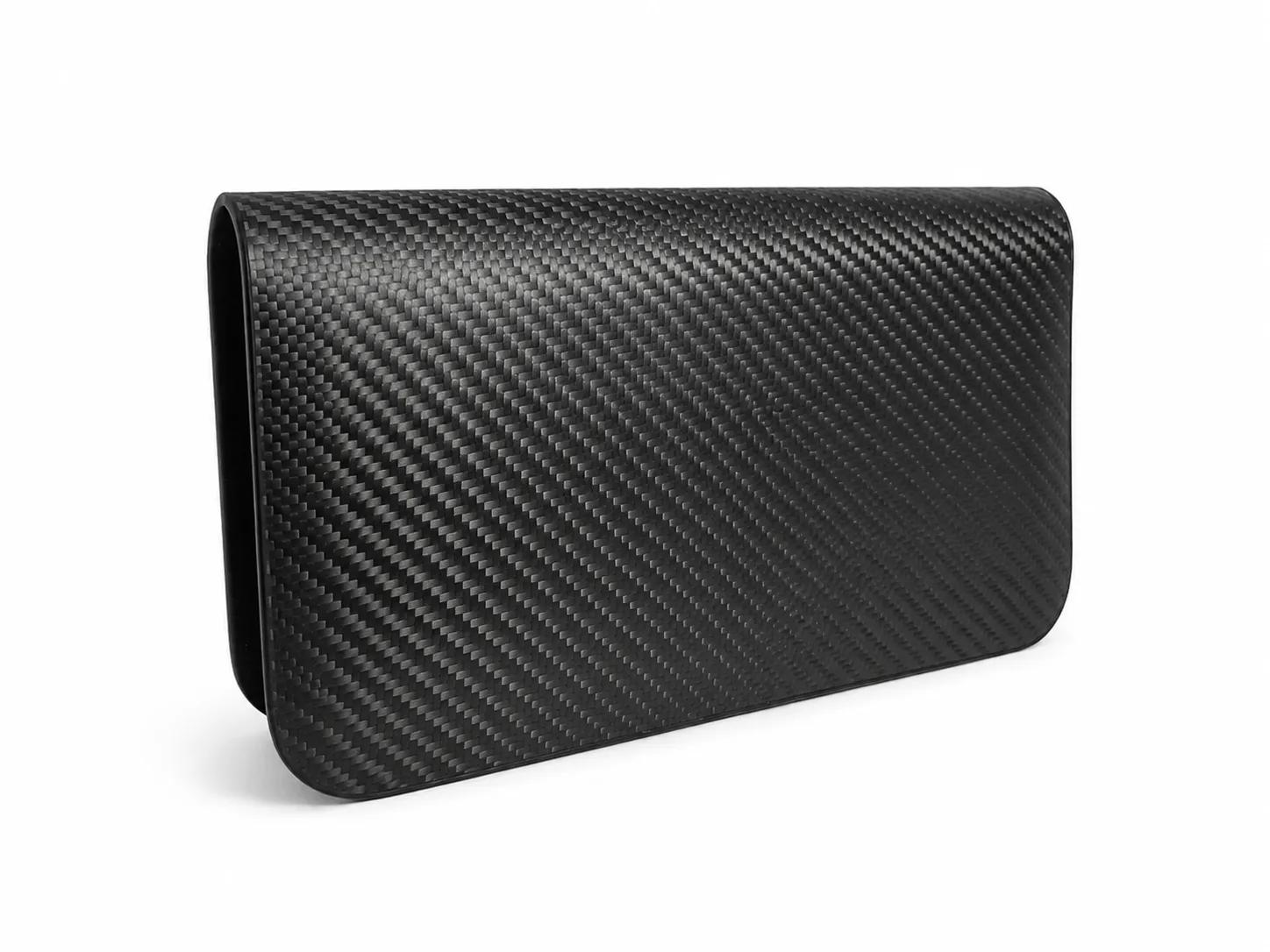
محفظة ألياف الكربون هي مادة فضائية بطلاء شفاف حول بطاقاتك اليومية. عاملها كجلد فاخر فتبدو جديدة لعقد؛ عاملها كبلاستيك رخيص فتتغيم وتتخدش وتفقد اللمعان خلال سنة. الخبر الجيد: الكربون متسامح، ومعظم الضرر يأتي من عادات قليلة يمكن تجنبها. هذا الدليل يلخص ما تعلمناه من شحن أكثر من 50,000 محفظة في قراءة بنحو 8 دقائق، ويكمل دليل عناية البطاقات والألواح لنفس كيمياء الطلاء الشفاف.
اعرف ما تنظفه: الطلاء الشفاف لا الكربون نفسه
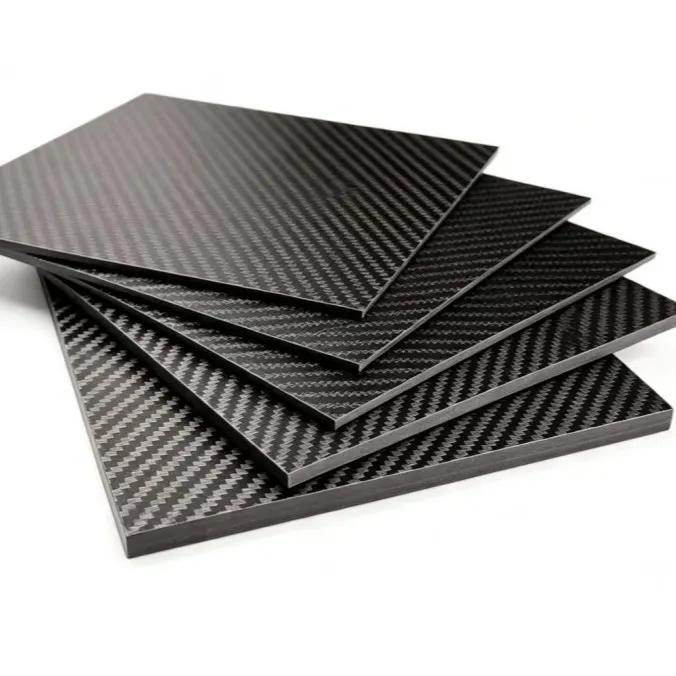
عند تنظيف منتج كربون، تنظف طبقة الراتنج والطلاء الشفاف فوق الألياف المنسوجة — لا الكربون نفسه. ألياف الكربون شبه غير قابلة للتلف في درجة الغرفة. ما يتخدش أو يتغيم أو يصفر هو الراتنج (إيبوكسي) والطلاء الواقي (يوريثان أو بولي يوريثان معالج بالـ UV) [1]. نفس اللمسة على بطاقات الأعمال الكربونية المخصصة وبطاقات NFC الكربونية في فئة البطاقات — نظّفها بنفس الطريقة.
العناية اليومية (30 ثانية، مرة أسبوعيًا)
- 1. امسح بقماش مايكروفايبرجاف وخالٍ من الوبر؛ لا مناديل ورقية (ألياف الورق كاشطة مجهريًا).
- 2. لامع بضربات مستقيمةامسح باتجاه النسيج لا دوائر. الحركة الدائرية تخلق خدوشًا عنكبوتية تحت الضوء الساطع.
- 3. افحص تحت ضوء مائلأمسك تحت مصباح بزاوية ~30°. أي طبقة تشبه الفيلم غبار أو زيوت — مرّر بقطعة رطبة قليلاً.
التنظيف العميق (كل بضعة أشهر أو بعد انسكاب)
- 1. مايكروفايبر رطب + قطرة صابون لطيفصابون يد محايد pH مخفف 1:50 بماء مقطر. اعصر القماش ليكون رطبًا لا مبللاً.
- 2. امسح بتمريرات مستقيمةلا فرك قوي. الصابون يرفع الزيوت؛ الضغط لا يحسّن النتيجة ويزيد الخطر فقط.
- 3. اشطف بقطعة ثانية رطبةماء مقطر صافٍ يزيل بقايا الصابون.
- 4. جفف فورًا بقطعة ثالثة نظيفةالماء الراكد ولو دقائق قد يُبهت الطلاء عند الحواف حيث يكون أرق.
- 5. اختياري: مسحة مضادة للكهرباء الساكنةتمريرة واحدة بمناديل إلكترونيات آمنة تقلل جذب الغبار لأسابيع.
ما هو آمن وما يضر اللمسة
| العامل | آمن؟ | السبب | الاستخدام |
|---|---|---|---|
| ماء مقطر | ✅ نعم | لا رواسب معدنية ولا كيمياء | تنظيف عام |
| صابون يد محايد pH (مخفف) | ✅ نعم | يزيل الزيوت دون مهاجمة الراتنج | بصمات وبقايا طعام |
| قماش مايكروفايبر | ✅ نعم | غير كاشط ويرفع الجسيمات | مسح يومي |
| كحول إيزوبروبيل (70%) | ⚠️ بحذر | آمن بتلامس قصير وقد يلين الطلاء مع الوقت | بقايا لزجة وحبر — مسحة سريعة فقط |
| منظف زجاج (بالأمونيا) | ❌ لا | الأمونيا تهاجم طلاء البولي يوريثان | — |
| أسيتون / مزيل طلاء أظافر | ❌ لا | يذيب الإيبوكسي والطلاء فورًا | — |
| مبيض / منظفات كلور | ❌ لا | تؤكسد الراتنج وتترك ضبابًا دائمًا | — |
| مركب تلميع سيارات | ❌ لا | كاشط — مصمم للطلاء لا لراتنج الطلاء الشفاف | — |
| معقم يد (جل) | ❌ لا | كحول عالي + غليسرين يترك خطوطًا ويلين الطلاء | — |
تجنب الضرر من الأساس
- لا تضع المحفظة في الجيب مع مفاتيح أو عملات — ستترك خدوشًا شعرية مع الوقت.
- تجنب درجات مستمرة فوق 80°C (176°F). الإيبوكسيات القياسية تبدأ باللين قرب 100°C؛ سيارة مغلقة صيفًا قد تصل لذلك.
- لا تتركها في شمس مباشرة على حافة نافذة أو لوحة القيادة لأسابيع — UV يصفر الطلاء ببطء.
- تجنب التلامس الطويل مع كريمات اليد أو طارد الحشرات (DEET خاصة يذيب الراتنج).
- إن حملتها في الجيب الخلفي، أخرجها قبل الجلوس على أسطح صلبة — إجهاد الانحناء المتكرر يشقق الطلاء عند الزوايا.
إصلاح أضرار طفيفة في المنزل
نصائح التخزين والسفر
- عند عدم الاستخدام اليومي، خزّن في كيس الغبار أو أي جيب مايكروفايبر ناعم — يقلل الغبار وخدوش الجيب على الجيب.
- للتخزين طويل الأمد (أكثر من سنة)، مجفف سيليكا في الصندوق يمنع امتصاص الرطوبة عند حواف الراتنج.
- سفر دولي؟ أبقِ المحفظة في المقصورة. عنابر الشحن قد تهبط دون التجمد؛ الكربون نفسه لا يهتم، لكن فتحات الجلد وواجهات اللاصق تكره الدورات الحرارية.
- تجنب التكديس الضيق تحت أثقال. الكربون صلب لكن الطلاء المحيط قد يترك علامات ضغط إن حُمّل لأشهر.
كم تدوم محفظة ألياف الكربون؟
مع استخدام جيب عادي والروتين أعلاه، توقع عمر خدمة 10+ سنوات دون تدهور مرئي. نمط سيرج 3K يكتسب نغمة أعمق وأدفأ في أول 2–3 سنوات مع اكتمال معالجة الطلاء وزوال الضباب الدقيق بالاستخدام. قارن بالجلد (3–5 سنوات لتآكل ملحوظ) أو الألمنيوم المؤكسد (تآكل حواف سريع خلال أشهر) والاقتصاد طويل الأمد واضح [2].
منتجات وأدلة ذات صلة
تصفح فئة البطاقات لـبطاقات أعمال الكربون وبطاقات NFC وقطع EDC مثل حاملة مفاتيح الكربون. انظر أيضًا إكسسوارات الكربون اليومية. لـ OEM المصنع استخدم صفحة التخصيص. للمبتدئين: ما هي ألياف الكربون أو عناية البطاقات والألواح.
الأسئلة الشائعة
إجابات سريعة لأكثر أسئلة فريق الدعم تكرارًا.
هل أنظف محفظة الكربون بمعقم يد كحولي؟
لا. معظم المعقمات تحتوي غليسرين وكحولات عالية النسبة تترك خطوطًا وتلين الطلاء الواقي ببطء. استخدم قماش مايكروفايبر رطبًا مع قطرة صابون محايد pH.
لماذا تظهر خدوش «عنكبوتية» تحت الضوء الساطع؟
غالبًا من التلميع الدائري — مناديل ورقية أو منديل أو خرقة جافة دوائر. انتقل لتمريرات مستقيمة مع اتجاه النسيج بمايكروفايبر نظيف وستبهت بصريًا مع تسوية الطلاء والاستخدام.
هل ألياف الكربون مقاومة للماء؟ هل أغسل المحفظة تحت الصنبور؟
الكربون والراتنج نفساهما مقاومان للماء. شطف سريع لا يضر المادة، لكن الماء الراكد قد يتسرب إلى درز بين لوحة الكربون وأي إدراج جلد/مطاط ويسبب انفصالًا مع الوقت. جفف فورًا إن تبللت.
هل يصفر الطلاء الشفاف مع الوقت؟
طلاءات اليوريثان المعالجة بالـ UV الحديثة (التي نستخدمها على كل منتج MASTERMATE) مستقرة لأكثر من 10 سنوات تحت إضاءة داخلية عادية. الاصفرار علامة تعرض UV مباشر مستمر (لوحة قيادة مشمسة، حافة نافذة) — خزّن في الظل ولن يظهر.
هل أغسل حامل بطاقات كربون في الغسالة؟
لا. حتى البرنامج اللطيف يخرب الطلاء عند الزوايا والمنظف يهاجم الراتنج. نظّف يدويًا فقط.
كيف أزيل الحبر (مثلاً من قلم يتسرب) عن السطح؟
مسحة سريعة بكحول إيزوبروبيل 70% على مايكروفايبر ترفع الحبر الطازج. الحبر الجاف قد يحتاج تمريرة ثانية. افعل ذلك خلال دقائق — إن تسرب الحبر إلى خدش مجهري في الطلاء يصبح دائمًا.
هل تقدم MASTERMATE تجديدًا للمحافظ القديمة؟
نعم. نقدم خدمة إعادة طلاء شفاف لأي محفظة مشتراة منا (مجانية حاليًا لأول ثلاث سنوات، ثم $20). تعود المحفظة بلمسة مرآة مسطحة؛ الخدوش العميقة تُصقل قبل إعادة الطلاء.
Sources & Further Reading
- ASTM D3359 — Standard Test Methods for Rating Adhesion by Tape Test
- ASTM D2244 — Calculation of Color Tolerances and Color Differences from Instrumentally Measured Color Coordinates
- Wikipedia — Polyurethane (clear-coat chemistry)
- Wikipedia — Carbon-fiber-reinforced polymer
- PPG — Polyurethane clear coat technical overview
- Toray — Epoxy resin properties
- NIST — UV degradation of polymeric coatings
- 3M — Microfiber cleaning cloth fundamentals
- Mohs scale of mineral hardness (everyday object hardness reference)
- CompositesWorld — Surface finish on composite consumer products
- Plastic-safe scratch removers — Novus 1/2/3 product line
- ISO 4892-3 — Plastics, weathering: UV fluorescent lamps method
هل تحتاج إلى منتجات ألياف كربون مخصصة؟
يساعد فريقنا الهندسي العلامات التجارية حول العالم على تطوير حلول ألياف الكربون OEM بكميات طلب صغيرة ونماذج أولية سريعة.
اطلب عرض سعر اليوم.