Как ухаживать за кошельком из углеродного волокна
Советы по чистке, уходу и продлению срока службы карбонового кошелька и аксессуаров.
Это техническое руководство подготовлено инженерной командой MASTERMATE на основе нашего опыта в выборе материалов из углеволокна, производстве композитов, CNC-обработке и OEM/ODM-производстве.
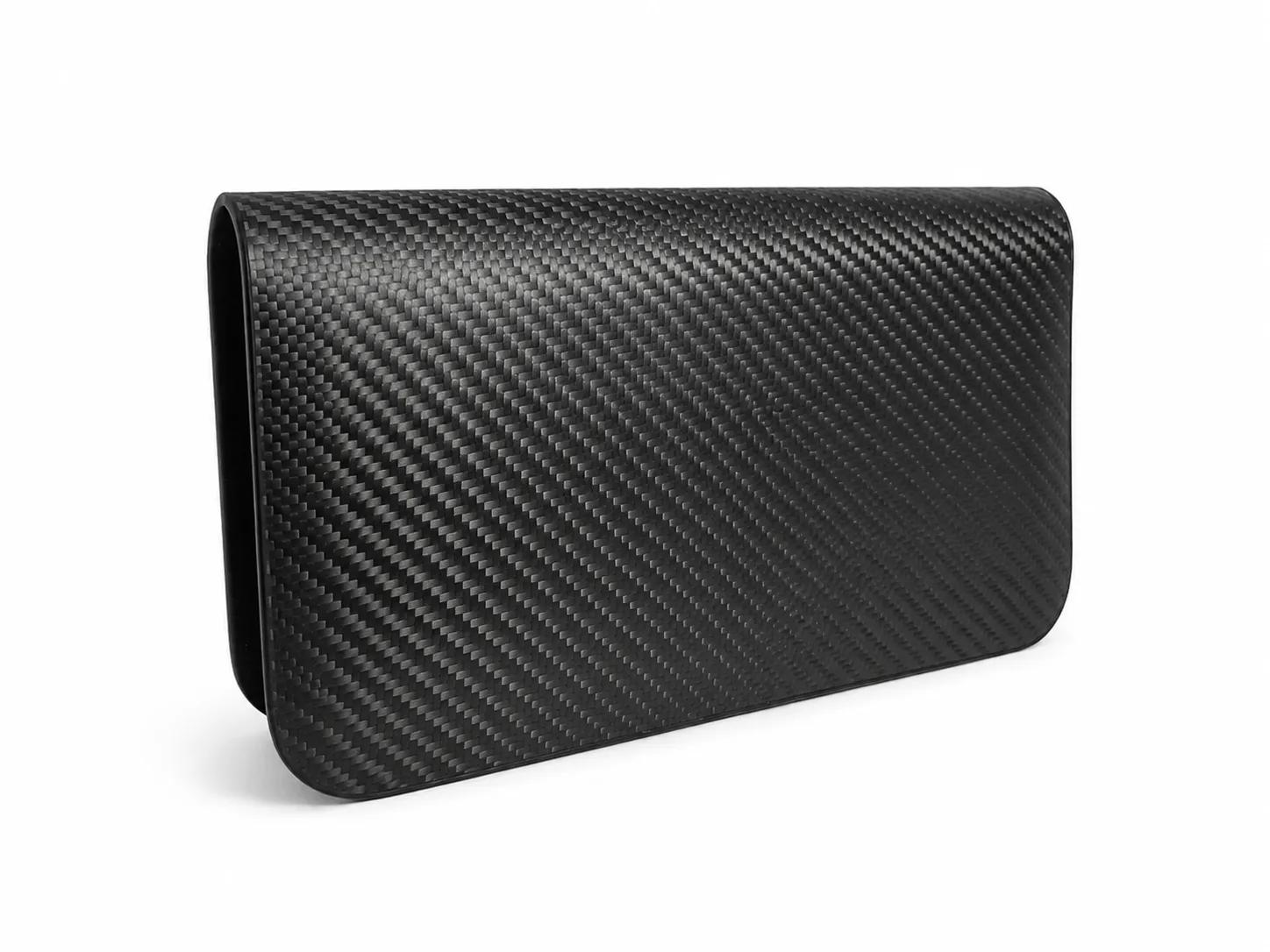
Карбоновый кошелёк — по сути авиационный материал с лаком вокруг карт ежедневного ношения. Относитесь как к премиальной коже — будет выглядеть новым десятилетие. Как к дешёвому пластику — за год помутнеет, поцарапается и потеряет блеск. Хорошая новость: карбон прощает, а большинство повреждений — от нескольких предотвратимых привычек. Этот гид сжимает опыт 50 000+ отгруженных кошельков в ~8‑минутное чтение и дополняет гид по картам и листам с той же химией лака.
Что вы чистите: лак, а не карбон
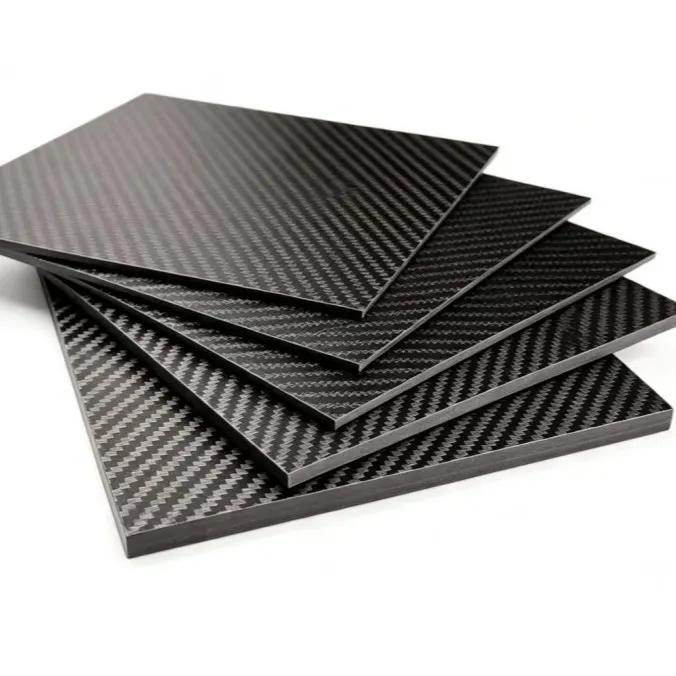
Когда вы чистите карбоновое изделие, вы чистите слой смолы и лака поверх тканых волокон — не сам углерод. Волокна практически неразрушимы при комнатной температуре. Смола (эпоксид) и защитный topcoat (UV-cure уретан или полиуретан) — то, что царапается, мутнеет или желтеет при неправильном обращении [1]. Тот же finish на кастомных карбоновых визитках и карбоновых NFC-картах в категории Cards — чистите так же.
Ежедневный уход (30 секунд, раз в неделю)
- 1. Протрите микрофибройСухая, без ворса, без бумажных полотенец (бумажные волокна абразивны на микроуровне).
- 2. Полируйте прямыми движениямиВдоль направления плетения, не кругами. Круговые движения дают паутинные микроцарапины под ярким светом.
- 3. Осмотрите под угломДержите под лампой под ~30°. Плёнка — пыль или масла; ещё один проход слегка влажной тканью.
Глубокая чистка (раз в несколько месяцев или после пролива)
- 1. Влажная микрофибра + капля мягкого мылаpH-нейтральное мыло для рук, разведение 1:50 в дистиллированной воде. Выжмите ткань — влажная, не мокрая.
- 2. Протрите прямыми проходамиБез скрабирования. Мыло снимает масла; давление не улучшает результат, только добавляет риск.
- 3. Промойте второй влажной тканьюЧистая дистиллированная вода убирает остатки мыла.
- 4. Сразу высушите третьей чистой тканьюСтоячая вода даже несколько минут может тускнить topcoat по кромкам, где лак тоньше.
- 5. Опционально: антистатическая салфеткаОдин проход электронически безопасной антистатической салфеткой снижает притяжение пыли на несколько недель.
Что безопасно и что повредит отделку
| Средство | Безопасно? | Почему | Случай |
|---|---|---|---|
| Дистиллированная вода | ✅ Да | Без минерального осадка, без химии | Общая чистка |
| pH-нейтральное мыло (разведённое) | ✅ Да | Снимает масла без атаки на смолу | Отпечатки, остатки еды |
| Микрофибра | ✅ Да | Неабразивная, поднимает частицы | Ежедневный протир |
| Изопропиловый спирт (70%) | ⚠️ Скупо | Безопасен при коротком контакте, со временем может размягчать topcoat | Липкие следы, чернила — только быстрый протир |
| Средство для стёкол (с аммиаком) | ❌ Нет | Аммиак атакует полиуретановый topcoat | — |
| Ацетон / жидкость для снятия лака | ❌ Нет | Мгновенно растворяет эпоксид и лак | — |
| Отбеливатель / хлорные очистители | ❌ Нет | Окисляют смолу, оставляют постоянную дымку | — |
| Автомобильный полировочный состав | ❌ Нет | Абразив — для краски, не для clear-cure смолы | — |
| Гель-санитайзер для рук | ❌ Нет | Высокий спирт + глицерин оставляют разводы и размягчают topcoat | — |
Как изначально избежать повреждений
- Не кладите кошелёк в один карман с ключами или монетами — со временем появятся тонкие царапины.
- Избегайте устойчивых температур выше 80 °C (176 °F). Стандартные эпоксиды начинают размягчаться около 100 °C; закрытый автомобиль летом может это достичь.
- Не оставляйте на подоконнике или панели под прямым солнцем неделями — УФ медленно желтит topcoat.
- Избегайте длительного контакта с кремами для рук или репеллентами (особенно DEET растворяет смолу).
- Если носите в заднем кармане, вынимайте перед сидением на твёрдых поверхностях — повторный изгиб может растрескивать topcoat по углам.
Ремонт мелких повреждений дома
Хранение и путешествия
- Вне ежедневного ношения храните в пылезащитном мешке или мягком чехле из микрофибры — меньше пыли и царапин карман-о-карман.
- Для длительного хранения (свыше 1 года) силикагель в коробке снижает поглощение влаги по кромкам смолы.
- Международные поездки? Держите кошелёк в ручной клади. Грузовой отсек может опускаться ниже нуля; сам карбон не страдает, но кожаные слоты для карт и клеевые интерфейсы плохо переносят термоциклы.
- Не храните плотно сложенным под тяжёлыми предметами. Карбон жёсток, но лак может получить вмятины давления при месячной нагрузке.
Сколько должен служить карбоновый кошелёк?
При обычном карманном ношении и рутине выше ожидайте 10+ лет без видимой деградации. Рисунок саржи 3K за первые 2–3 года приобретает чуть более глубокий тёплый тон по мере полного отверждения topcoat и самополировки микродымки от ежедневного обращения. Сравните с кожей (3–5 лет до заметного износа) или анодированным алюминием (быстрый износ кромок за месяцы) — долгосрочная экономика очевидна [2].
Связанные продукты и гиды
Смотрите категорию Cards для карбоновых визиток, NFC-визиток и EDC вроде карбонового брелока. Также повседневные карбоновые аксессуары. Для заводского OEM — страница custom. Новичкам: что такое углеволокно или уход за картами и листами.
Часто задаваемые вопросы
Краткие ответы на вопросы, которые чаще всего получает наша поддержка.
Можно ли чистить карбоновый кошелёк спиртовым санитайзером?
Нет. Большинство санитайзеров содержат глицерин и высокий процент спиртов, оставляют разводы и медленно размягчают защитный topcoat. Используйте влажную микрофибру с каплей pH-нейтрального мыла.
Почему под ярким светом видны «паутинные» царапины?
Почти всегда от круговой полировки — бумажные полотенца, салфетка или сухая тряпка кругами. Перейдите на прямые проходы вдоль плетения чистой микрофиброй — они визуально уйдут со временем, пока topcoat самовыравнивается от ношения.
Карбон водонепроницаем? Можно ли сполоснуть под краном?
Сам карбон и смола водонепроницаемы. Быстрый споласкивание материалу не вредит, но стоячая вода может затечь в шов между карбоновой панелью и кожаной/эластичной вставкой и со временем вызвать расслоение. Сразу вытрите насухо при намокании.
Пожелтеет ли лак со временем?
Современные UV-cure уретановые topcoat (которые мы используем на каждом изделии MASTERMATE) стабильны 10+ лет при обычном комнатном освещении. Желтизна — признак постоянного прямого УФ (солнечная панель, подоконник) — храните в тени, и проблема не появится.
Можно ли стирать карбоновый card holder в машине?
Нет. Даже на деликатном режиме тряска скалывает topcoat по углам, а моющее средство атакует смолу. Только ручная чистка.
Как убрать чернила (напр. от текучей ручки) с поверхности?
Один быстрый протир 70% изопропиловым спиртом на микрофибре снимает свежие чернила. Засохшие могут потребовать второго прохода. Делайте в течение минут — если чернила впитались в микроцарапину topcoat, это уже постоянно.
Предлагает ли MASTERMATE реставрацию старых кошельков?
Да. Мы предлагаем услугу повторного clear-coat для любого купленного у нас кошелька (сейчас бесплатно первые три года, затем $20). Кошелёк возвращается со свежей зеркально-плоской отделкой; глубокие царапины шлифуются перед повторным покрытием.
Sources & Further Reading
- ASTM D3359 — Standard Test Methods for Rating Adhesion by Tape Test
- ASTM D2244 — Calculation of Color Tolerances and Color Differences from Instrumentally Measured Color Coordinates
- Wikipedia — Polyurethane (clear-coat chemistry)
- Wikipedia — Carbon-fiber-reinforced polymer
- PPG — Polyurethane clear coat technical overview
- Toray — Epoxy resin properties
- NIST — UV degradation of polymeric coatings
- 3M — Microfiber cleaning cloth fundamentals
- Mohs scale of mineral hardness (everyday object hardness reference)
- CompositesWorld — Surface finish on composite consumer products
- Plastic-safe scratch removers — Novus 1/2/3 product line
- ISO 4892-3 — Plastics, weathering: UV fluorescent lamps method
Нужны индивидуальные изделия из углеволокна?
Наша инженерная команда помогает брендам по всему миру разрабатывать OEM-решения из углеволокна с низким MOQ и быстрым прототипированием.
Запросите коммерческое предложение сегодня.