إطارات FPV كربون مقابل ألمنيوم: الوزن والصلابة والاصطدام
الأرقام أولاً: الصلابة النوعية والتخميد ومتى ما زال الألمنيوم يفوز. اختيارات السماكة لسباق 5 بوصات وfreestyle.
أُعدت مقارنة المواد هذه بواسطة فريق هندسة MASTERMATE لبناة درون FPV والصناعيين الذين يختارون مواد الإطار وسماكة اللوح.
من بين كل المواد التي جرّبها مصممو إطارات الدرون — ألمنيوم ومغنيسيوم وألياف زجاج وABS ومزائج بولي أميد-CF وأخيرًا مركب الكربون — فاز الكربون بالسوق لسبب مباشر: لا شيء آخر يقدّم صلابة وتخميدًا نوعيين قابلين للمقارنة عند فئة الوزن التي يحتاجها سباقو FPV ودرون التصوير شبه المحترفة. تفكك هذه المقالة الأرقام الهندسية وراء ذلك البيان وتُظهر أين لا يفوز الكربون — لأن هناك ما زال منافذ حيث البدائل منطقية.
بناءً على خبرة MASTERMATE التصنيعية، يُختار T700 غالبًا عندما يحتاج المشروع توازنًا عمليًا بين القوة والصلابة ومقاومة الصدمات وتكلفة الإنتاج لألواح إطار الدرون. انظر حلول الكربون المخصصة وقطع درون وUAV وأدلة من فريق هندسة MASTERMATE.
الرقم الواحد الذي يحسم الأمر: الصلابة النوعية
مهمة إطار الدرون تثبيت المحركات بصرامة نسبة لمراقب الطيران بأقل وزن ممكن. مقياس تلك المهمة هو «الصلابة النوعية» — المعامل مقسومًا على الكثافة. تُرتّب المواد بهذا الرقم كلما أهم الوزن أكثر من القوة المطلقة [1].
تخميد الاهتزاز: لماذا تبدو لقطات FPV أفضل
المعامل يخبرك كم ينحرف الإطار تحت الحمل. التخميد يخبرك كم بسرعة تتلاشى اهتزازات المحرك. عامل الفقد لـ CFRP أعلى بنحو 5–10× من الألمنيوم عند ترددات 100–500 Hz النموذجية لمحركات درون صغيرة. الترجمة: قراءات جيروسكوب أنظف لمراقب الطيران ولقطات كاميرا أنعم وضغط أقل على وصلات اللحام [2].
| المادة | عامل الفقد η (×10⁻³) | الأثر الصافي على الطيران |
|---|---|---|
| فولاذ | 0.5–1.0 | الاهتزازات ترن لدورات كثيرة |
| ألمنيوم 6061 | 0.5–2 | أفضل من الفولاذ وما زال يرن |
| مغنيسيوم AZ31 | 5–15 | مخمد طبيعيًا، منصة كاميرا جيدة |
| CFRP (مصفوفة إيبوكسي) | 8–15 | تخميد ممتاز؛ افتراضي الصناعة |
| CFRP (مصفوفة سيانات إستر) | 15–30 | درجة فضاء، تخصص فاخر |
سلوك الاصطدام: الكربون يتشقق نظيفًا، الألمنيوم ينحني إلى الأبد
إطارات الألمنيوم والبلاستيك المطبوع ثلاثي الأبعاد تشترك بعد الاصطدام في شيء: تتشوه نهائيًا وبصمت. المحركات تبقى شبه متوازية، والطيران يستمر، لكن الرنين يتسلل وتقضي الرحلتين التاليتين تتساءل لماذا الفيديو أسوأ. ألياف الكربون إما تنجو سليمة أو تنكسر نظيفًا على خط ألياف — كلا الحالتين واضح بصريًا. تستبدل الذراع المتشقق ويعود باقي الهيكل للمواصفة [3].
سماكة اللوح: اخترها بالأرقام لا بالإحساس
أكبر رافعة تصميم بعد اختيار المادة هي سماكة اللوح. الألواح الأثقل تمنحك بقاء اصطدام وصلابة؛ الأخف تمنح تسارع اندفاع وكفاءة بطارية. استخدم الجدول أدناه كنقطة انطلاق ثم تحقق بـ FEM أو بيانات طيران لبناءك المحدد.
| الفئة | سماكة الذراع | ألواح علوية/سفلية | كتلة الإطار (نموذجية) |
|---|---|---|---|
| Tinywhoop / 65–85 mm | TPU مقولب حقن | TPU أو CFRP 1 mm | 5–15 g |
| Toothpick 3 بوصات | 2 mm | 1.5 mm | 20–30 g |
| سباق 5 بوصات | 4 mm | 2 mm | 85–110 g |
| Freestyle 5 بوصات | 5 mm | 2 mm | 110–140 g |
| مدى طويل 6–7 بوصات | 4 mm (تصفيح UD) | 2 mm | 120–160 g |
| Cinelifter (8–10 بوصات) | 5–6 mm | 2.5–3 mm | 300–500 g |
درجات ألياف الكربون — معظم البناة يفرطون في المواصفة
ثلاث درجات شائعة متاحة لإطارات الدرون. الواقع: T700 يغطي 95% من حالات استخدام FPV. T800/T1000 غالبًا لغة تسويق؛ تكلف أكثر وتقدّم مكاسب أداء هامشية في الطيران الحقيقي ولا تهم إلا السباقين المحترفين الذين يقيسون فروق ثواني التجارب الزمنية [4].
- T300 — مستوى دخول. شد ~3.5 GPa، جيد لأذرع tinywhoop وألواح تجميلية. تجنّبه لأذرع سباق 5 بوصات.
- T700S — النقطة الحلوة لـ FPV. شد ~4.9 GPa، بقاء اصطدام ممتاز، سعر جيد.
- T800S — فاخر. شد ~5.9 GPa، أصلب قليلاً بنفس السماكة. يستحق على بناءات مدى طويل 6–7" حيث يهم كل غرام.
- T1000G — مبالغة. يُستخدم في F1 والفضاء؛ مصطلح تسويق في FPV. وفّر مالك.
- كربون مطروق — ألياف مقطعة، ليس أقوى من المنسوج. خيار تجميلي؛ لا تستخدمه للأذرع.
لماذا القطع CNC من مخزون الألواح يفوز بالحجم
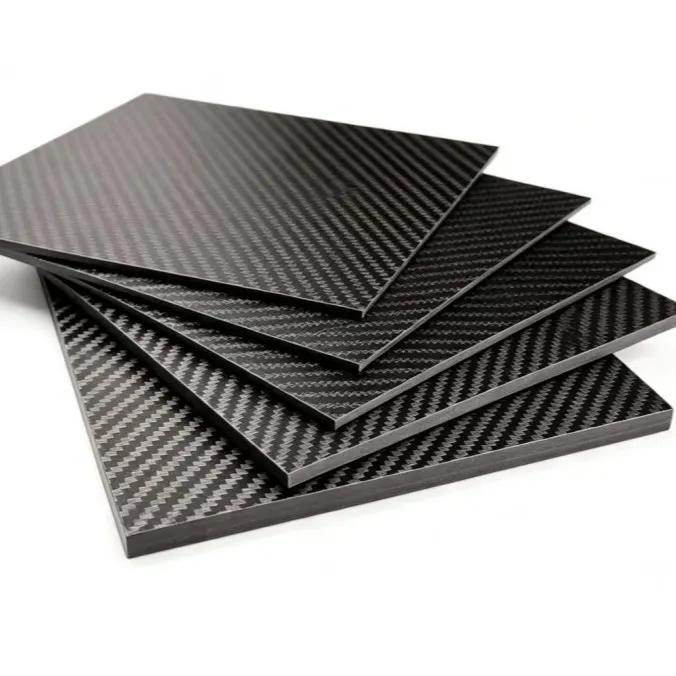
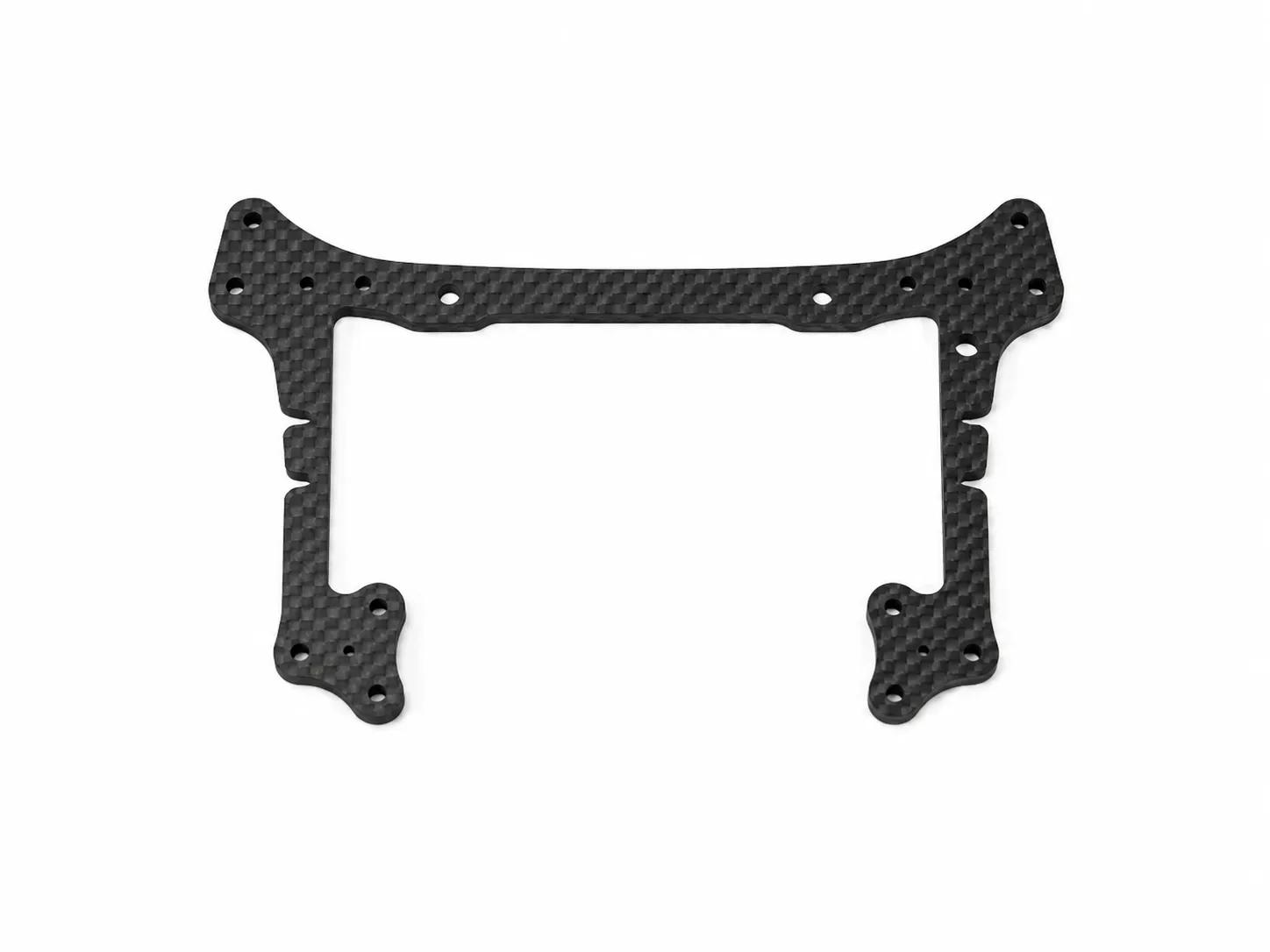
تقريبًا كل إطار FPV في الإنتاج يُفرز CNC من لوح كربون. السبب اقتصادي: مجموعة تثبيت CNC بـ $1,000 تنتج 5,000 إطار قبل تجديد الأدوات، بينما أداة مركب مقولب حقن مماثلة تكلف $25,000+. CNC أيضًا يتيح تكرار الهندسة بسرعة — فرق فئة السباق تقطع تصميم إطار جديد كل بضعة أسابيع خلال موسم المنافسة روتينيًا.
- 1. CAD في Fusion 360 / SolidWorksعرّف هندسة الذراع ودائرة البراغي وثقوب تثبيت المكدس.
- 2. تحسين مسار CAMفتحات مبوبة، قطع صعود لحواف نظيفة، تغذية مثلى لأدوات ماسية.
- 3. قطع مكدس حتى 8 ألواح مرة واحدةتثبيت فراغ أو ميكانيكي على CNC ثلاثي المحاور. نفس المسار ينتج كل لوح.
- 4. ختم الحافةغراء CA أو ختم إيبوكسي على حواف القطع يمنع تسرب الرطوبة والانفصال.
- 5. QC: أبعاد ووزن وتشطيب حافةعينات عشوائية للتحقق من الدفعة. موضع ثقب ±0.05 mm هو المعيار.
متى ليست ألياف الكربون الاختيار الصحيح
- درون ميكرو/whoop تحت 25 g — طباعات TPU أو PA-CF تنجو مرنة من اصطدامات تكسر ذراع CFRP؛ الصلابة ليست الحد عند ذلك المقياس.
- درون سينمائي داخلي بمجاري مراوح رغوية — PETG أو PA-CF ألطف على الأصابع والجدران.
- درون متوقع تشغيله فوق 100°C محيطة — CFRP إيبوكسي يلين؛ انتقل لـ CFRP مصفوفة BMI أو ألمنيوم.
- بناءات هواة بنموذج واحد حيث ورقة خشب رقائقي بـ $15 تكفي — نعم، خشب رقائقي. صلب ويخمد جيدًا وسهل القطع. نصف مشهد FPV بدأ هناك.
الأسئلة الشائعة
أسئلة شائعة من بناة يقارنون المواد قبل طلب إطار.
هل T800 يستحق فعلاً فرق السعر فوق T700؟
لسباق وfreestyle 5 بوصات، لا — T700 صلب بما يكفي أن فرق الطيران العملي غير قابل للقياس. لبناءات مدى طويل 6–7" حيث يمكنك إسقاط 1.5 mm سماكة لوح بالترقية إلى T800، توفير الوزن يستحق. خارج هاتين الحالتين، T700 الاختيار الصحيح.
لماذا يصرّ إطار الكربون بعد بضعة أشهر؟
غالبًا من برغي محرك أو قائمة مكدس فكّت قليلاً، لا من الكربون نفسه. أعد عزم كل مثبت للمواصفة (عادة 1.5–2.5 Nm لـ M3) ويختفي الصوت. إن كان الصوت من حافة منفصلة، اختم بغراء CA رقيق.
هل أذرع الكربون أحادية الاتجاه (UD) أصلب فعلاً من السيرج؟
نعم — بـ 20–35% على طول اتجاه الألياف بنفس الوزن. المقايضة أضعف في الاتجاه العمودي (أقل بنحو 50%). استخدم UD للأذرع (محور حمل أولي واضح) وسيرج للألواح العلوية/السفلية (صدمات متعددة الاتجاهات).
هل يمكن خلط سماكات ألواح على نفس الدرون؟
بالتأكيد — المحترفون يفعلون ذلك روتينيًا. أذرع 4 mm مع علوية/سفلية 2 mm هو تخطيط سباق 5 بوصات القياسي تحديدًا لأن الأحمال مختلفة عند كل لوح.
هل يحجب الكربون إشارات GPS أو الفيديو؟
يمكن أن يخففها. ألياف الكربون موصلة قليلاً (متباينة الخواص)، فمراقب طيران أو هوائي GPS مثبت مباشرة فوق لوح كربون صلب يرى ~3–8 dB فقدان إشارة مقابل التركيب في فضاء حر. الحل: أبقِ الهوائيات فوق اللوح، أو مرّر عبر فتحة، أو استخدم حاملًا غير موصل.
كيف أقطع ألواحي الخاصة إن كان لدي راوتر CNC؟
استخدم مطاحن نهاية مطلية ماس (1.5–2 mm)، 8,000–14,000 RPM، تغذية 100–250 mm/min، جمع غبار إلزامي (غبار CFRP خطر تنفسي). الطحن بالصعود ينتج حوافًا أنظف من الطحن التقليدي على هذه المادة.
Sources & Further Reading
- Toray T700S Technical Datasheet
- Toray T800S Technical Datasheet
- Wikipedia — Carbon-fiber-reinforced polymer
- Hexcel — HexTow IM7 datasheet
- ASTM D3039 — Tensile Properties of Polymer Matrix Composite Materials
- ASTM D7264 — Flexural Properties of Polymer Matrix Composites
- CompositesWorld — Damping in composite structures
- OSHA — Composite dust safety guidance
- NIOSH respiratory protection for composite machining
- AISI Aluminum Association — 6061 datasheet
- IPC FPV racing class regulations (race weights and battery limits)
- Wikipedia — Specific modulus
كيف أُعد هذا الدليل
تجمع أرقام الصلابة والتخميد والكثافة بيانات موردين منشورة (Toray T700S، ألمنيوم 6061-T6) مع ممارسة تصميم إطارات FPV النموذجية. القيم إرشادية — أكّد سماكة اللوح النهائية ودرجة الألياف وتسامح CNC مقابل فئة طيرانك ومتطلبات الاصطدام.
هل تحتاج إلى منتجات ألياف كربون مخصصة؟
يساعد فريقنا الهندسي العلامات التجارية حول العالم على تطوير حلول ألياف الكربون OEM بكميات طلب صغيرة ونماذج أولية سريعة.
اطلب عرض سعر اليوم.