Carbon Fiber NFC Cards for Luxury Brand Identity
How luxury brands can use carbon fiber NFC cards for executive networking, membership and events, with practical guidance on materials, tap performance and sample approval.
This technical guide was prepared by the MASTERMATE Engineering Team based on our experience in carbon fiber material selection, composite manufacturing, CNC machining and OEM/ODM production.
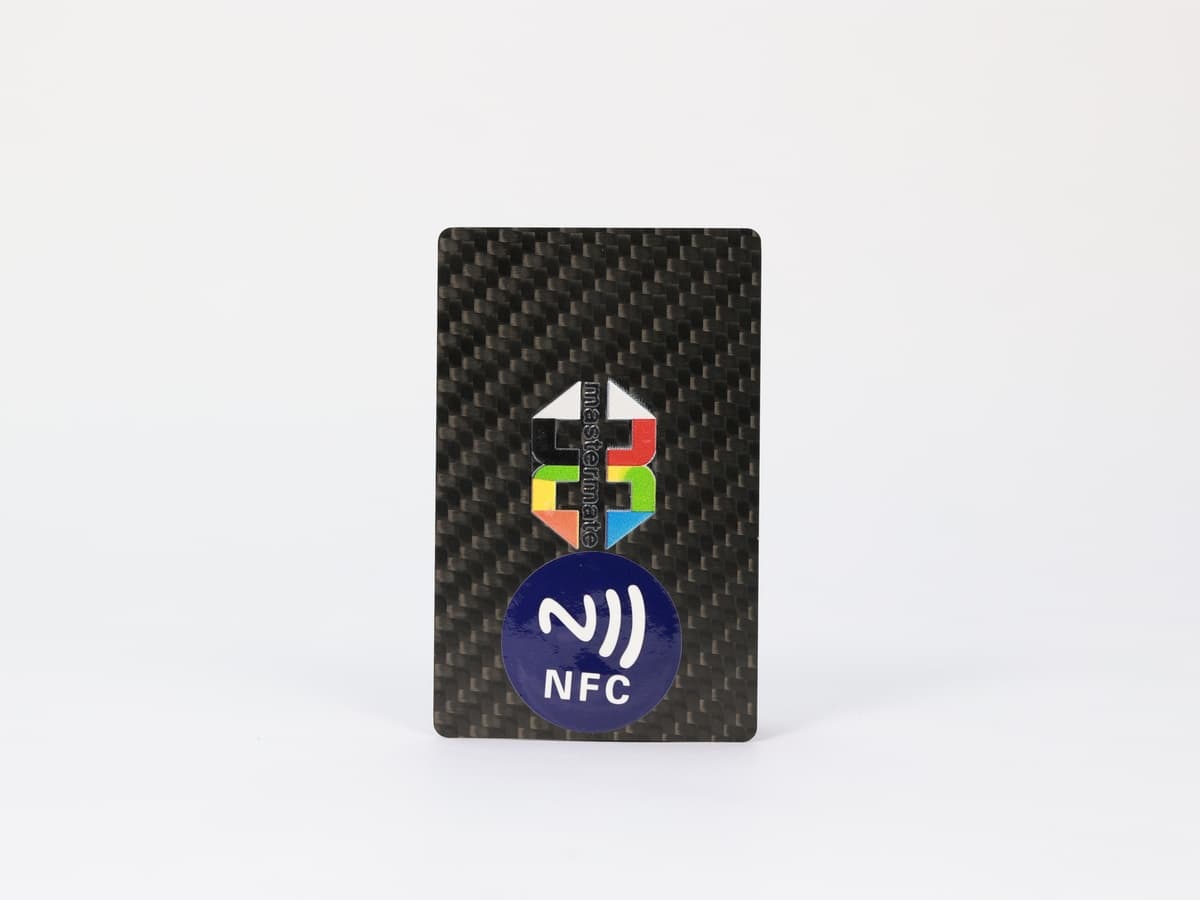
For most of the last century, the business card barely changed: a rectangle of paper exchanged at the start of a relationship, then filed away or lost. That format is now looking dated. Modern professionals and brands increasingly want a physical identity product that feels as considered as the rest of their brand experience — something durable, distinctive, and connected to their digital presence. Carbon fiber NFC business cards sit exactly at that intersection, combining luxury design with digital connectivity in a single, wallet-sized object.
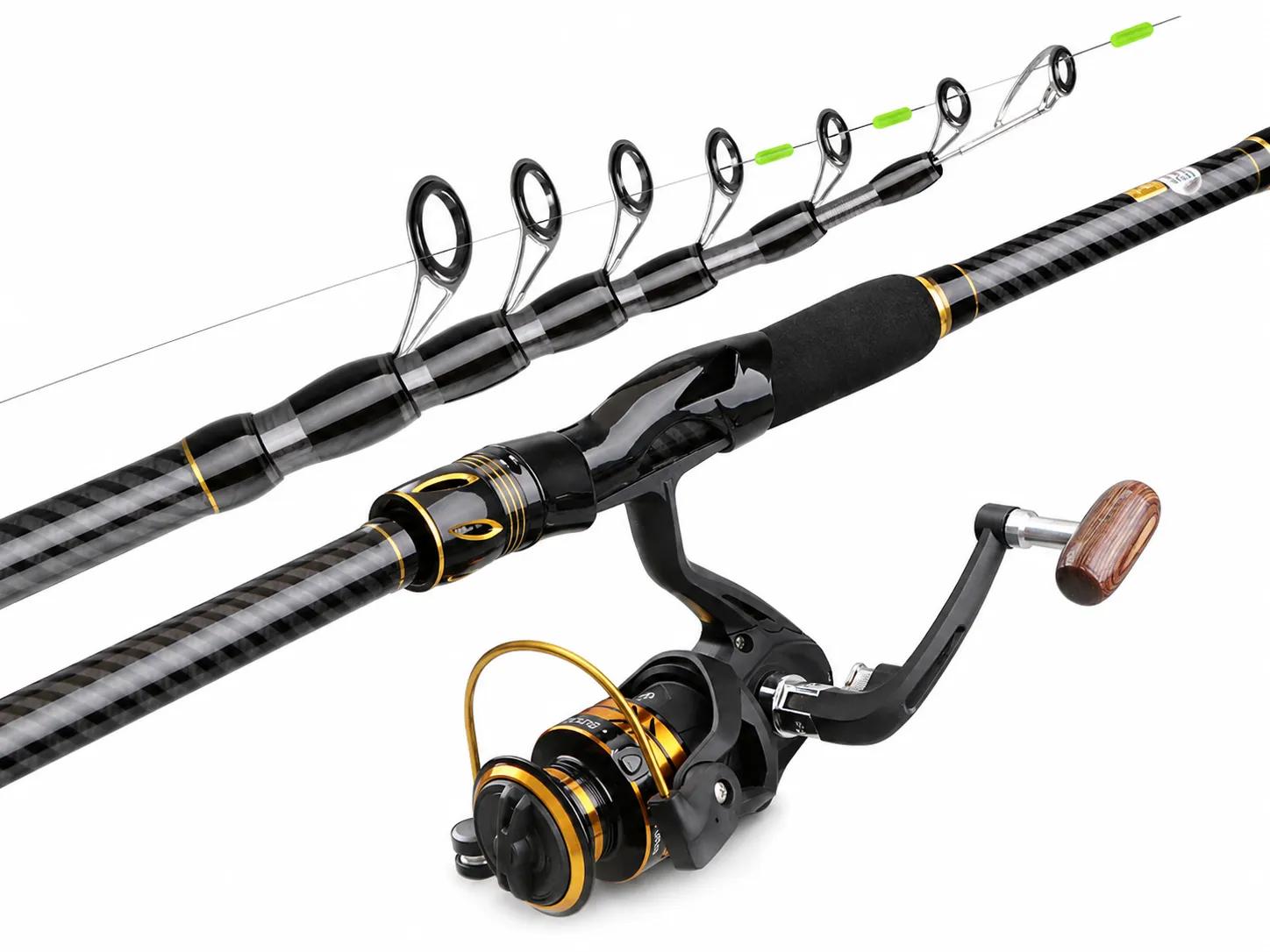
What makes this shift interesting is the material itself. Carbon fiber is no longer used only in aerospace, automotive, and motorsport. The same composite that forms Formula 1 monocoques and airliner fuselages has entered premium branding and digital identity applications — from luxury business cards to VIP membership programs. This article looks at why that is happening, how the technology works, and what buyers should understand before commissioning custom carbon fiber cards.
Why Carbon Fiber Is Becoming the Material of Premium Identity Products
Carbon fiber earned its reputation in the most demanding engineering environments on earth. The properties that make it valuable there translate directly into what people want from a premium business card: it should feel special, last for years, and look unmistakably high-end.
- Lightweight — A carbon fiber card typically weighs only 6–10 grams, so it feels substantial without the dead weight of a metal card.
- High durability — Cured CFRP does not crease, tear, or soften like paper; a well-made card survives years in a wallet.
- Premium appearance — The cured laminate under a clear coat reads as engineered rather than printed.
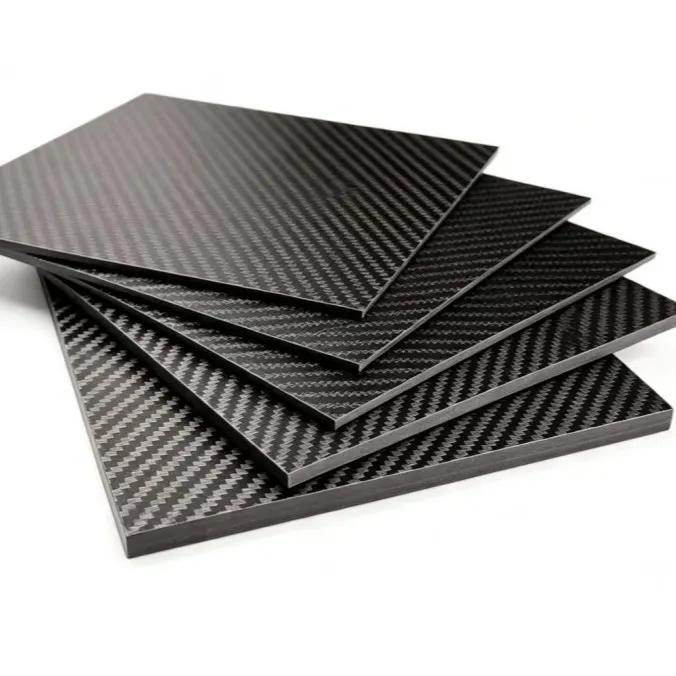
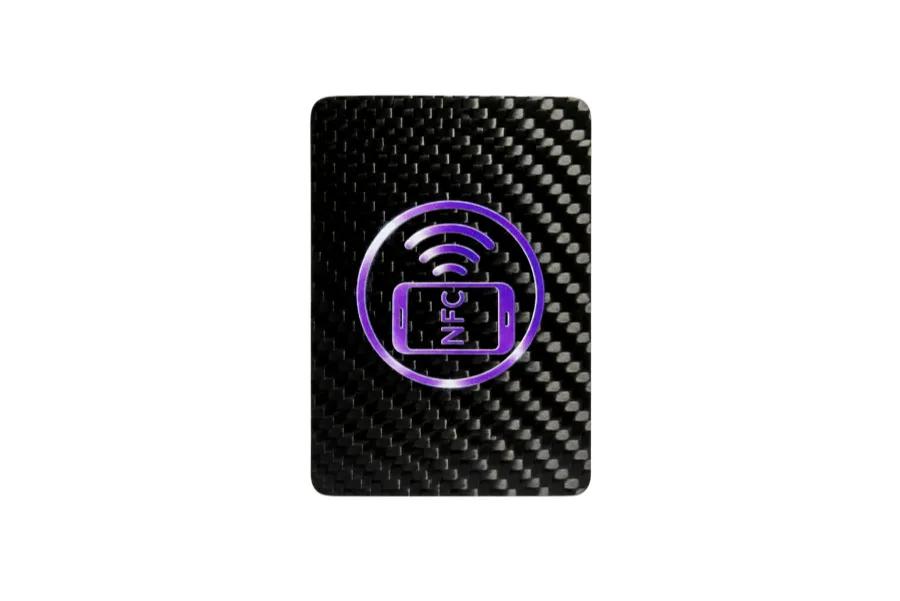
- Unique weave texture — The visible carbon fiber weave (typically 3K twill) gives a three-dimensional surface that photographs well and cannot be faked convincingly with paper or PVC.
- Association with luxury industries — Carbon fiber carries built-in semiotics of performance and exclusivity.
That last point is the strategic one. The audience already associates carbon fiber weave with categories that stand for engineering excellence and status:
- Supercars — exposed carbon on Ferrari, Lamborghini, and McLaren interiors and body panels.
- Motorsport — Formula 1 and endurance racing chassis built almost entirely from CFRP.
- Aerospace — the Boeing 787 and Airbus A350, whose primary structures are largely carbon composite.
- Luxury watches — forged and woven carbon cases from high-end watchmakers.
- High-end electronics — carbon accents on premium laptops, phones, and audio gear.
When a card carries that same material, it borrows those associations. Handing over a carbon fiber card signals that a brand thinks about materials, detail, and durability the way a supercar or aerospace program does — a message that plain cardstock simply cannot send.
The Evolution From Traditional Business Cards to NFC Smart Cards
The physical upgrade to carbon fiber solves the "feel" problem. The digital upgrade — NFC — solves the "information" problem. Traditional cards are static: whatever is printed is all they will ever say, and updating details means reprinting.
| Aspect | Paper / PVC cards | NFC smart cards |
|---|---|---|
| Information capacity | Fixed print only | Opens a linked digital profile or approved web destination |
| Sharing | Manual hand-off, retype details | One tap to a phone |
| Updating details | Reprint the batch | Edit the linked profile, card unchanged |
| Digital presence | None | Website, socials, portfolio, booking |
| Networking | Contact often never saved | Contact saved instantly, contactless |
| Durability | Depends on stock and coating | Depends on card body, finish and handling |
An NFC card contains a passive chip and antenna coil that a compatible NFC-enabled phone can read at close range. The encoded data commonly opens a website, contact profile, portfolio or membership page. Analytics are available only when the destination platform records them; the card itself does not automatically make an interaction measurable. A QR code to the same approved destination provides a useful fallback.
Crucially, the two upgrades reinforce each other. A cheap plastic NFC card still feels disposable; a carbon fiber body makes the same technology feel like a premium instrument. The material earns the first impression, and the chip makes the interaction useful.
Why Brands Choose Carbon Fiber NFC Business Cards
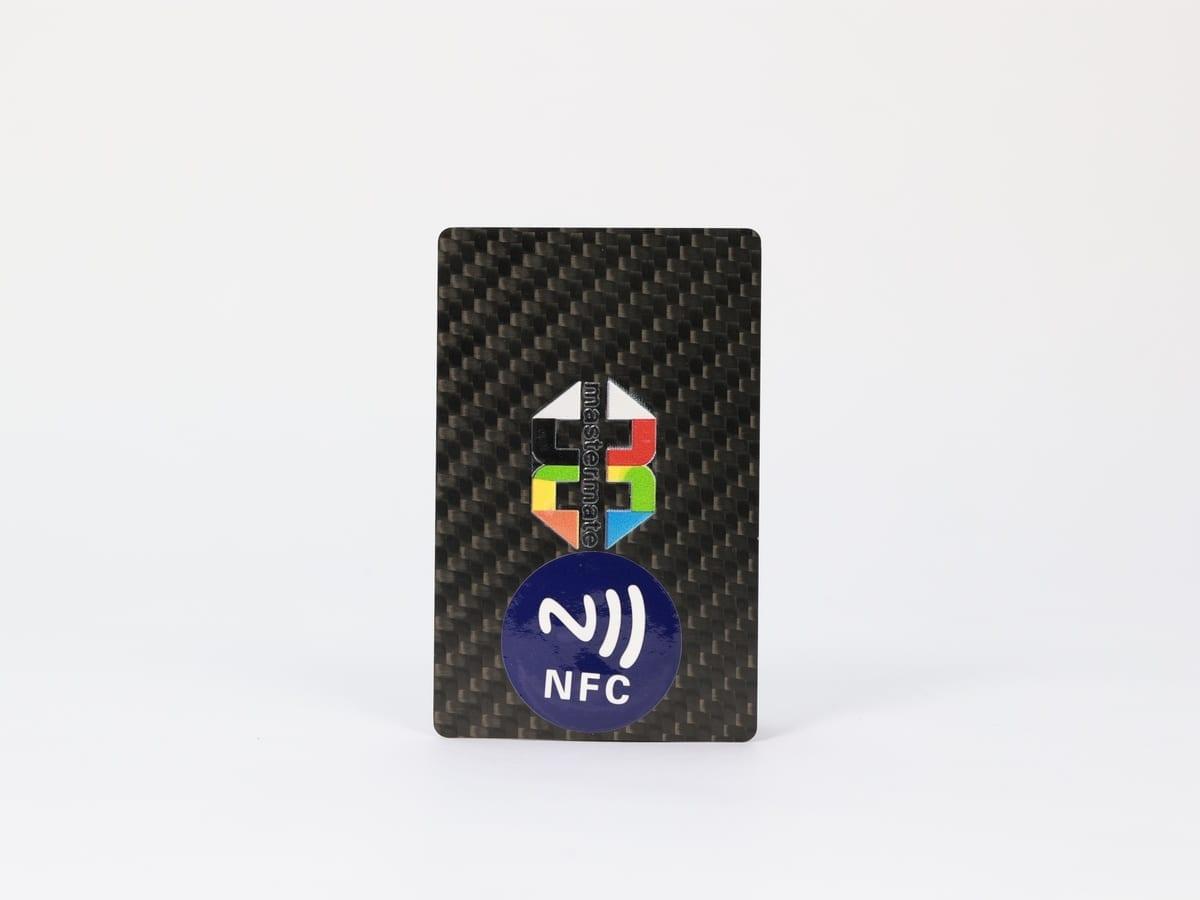
The clearest way to understand demand is to look at who is ordering these cards and why. Across very different sectors, the motivation is consistent: a premium first impression that also does something useful.
Luxury Brands
Fashion houses, jewelers, private banks, and high-end hospitality groups use carbon fiber cards for VIP customers, brand ambassadors, and exclusive events. A tap can open a lookbook, a private collection, an RSVP page, or a concierge line. The card becomes an extension of the brand rather than a piece of stationery.
Motorsport Teams
For racing teams the material is almost self-referential — the card is made of the same composite as the car. Teams use them as driver cards, team membership cards, and sponsor or paddock access cards. An NFC tap can lead to a team profile, a sponsor activation page, or a gated hospitality area.
Corporate Executives
At senior levels, first impressions carry disproportionate weight. Founders, board members, and C-suite executives use carbon fiber NFC cards for high-level networking where a memorable, premium handoff matters. The card signals attention to detail, and the tap instantly delivers a full contact profile without the recipient retyping anything.
Hotels and Clubs
Luxury hotels, yacht clubs, golf clubs, and private members clubs use carbon fiber cards for membership programs and VIP access. A single card can identify a member, encode a tier, and link to bookings or member services — all wrapped in a material that matches the venue positioning.
Illustrative Luxury Card Programs
The following examples are sourcing concepts, not claims about named customer orders. They show how material, personalization and digital destination can be combined in a production brief.
- Motorsport membership concept3K twill CFRP, laser-engraved member names, serialized numbering, a controlled sponsor or hospitality URL, matte-black edges and QR backup.
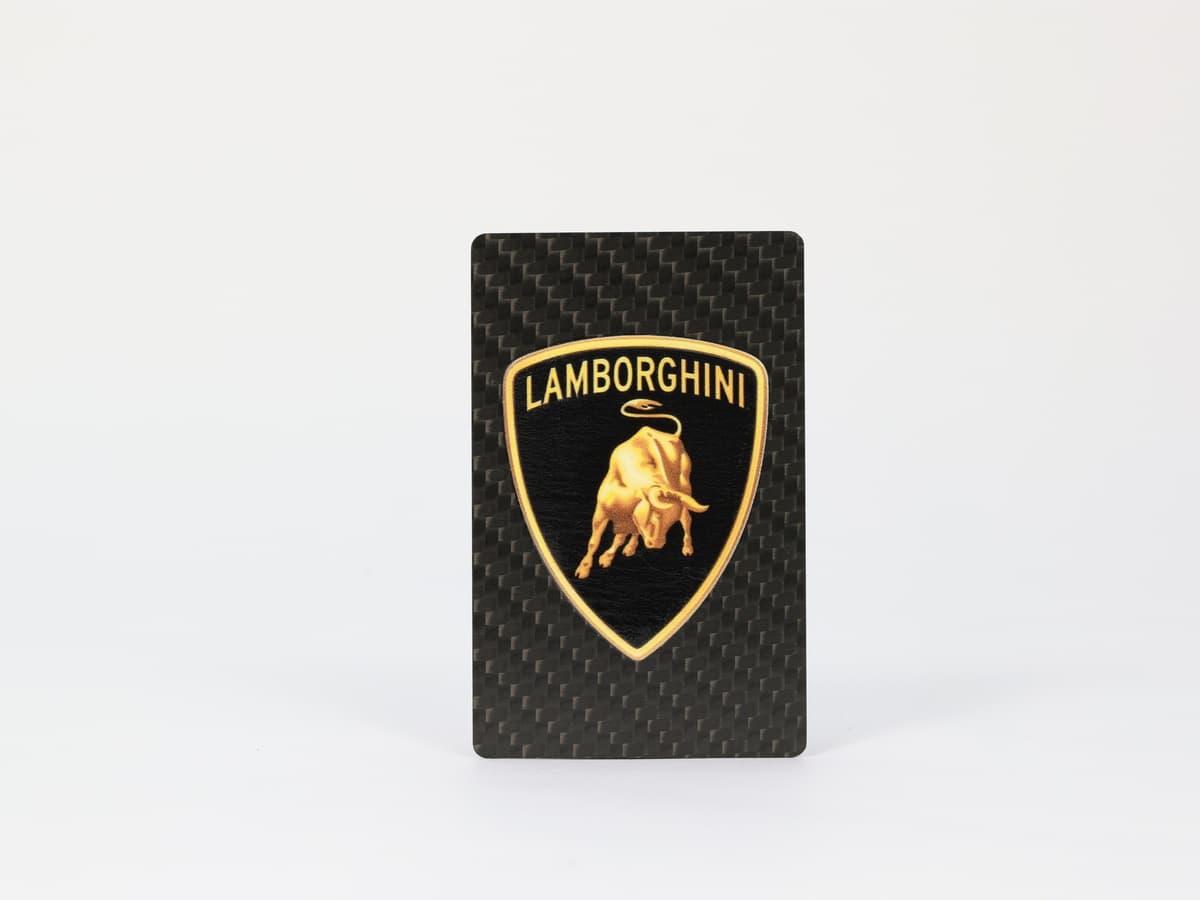
- Private club VIP conceptTier-specific foil on a gloss carbon body, laser-engraved member ID and an NFC destination for booking or concierge services, validated before bulk encoding.
- Executive networking conceptRestrained UV branding, an individual hosted contact destination and named packaging for controlled distribution to leadership teams.
These concepts use the same manufacturing building blocks but require different approval criteria. Membership programs prioritize serialization and lifecycle ownership; executive sets prioritize presentation; event programs prioritize deadline and distribution control.
Carbon Fiber Card Cases: Protecting Premium Identity Cards
Matching carbon fiber card cases and holders can extend the material story and protect the decorated surface. Because conductive or metal-containing cases may affect NFC performance while the card remains inside, test the final card-and-case combination and instruct users to remove the card if required for reliable tapping.
- Matching card holders — A carbon fiber case keeps the card scratch-free and reinforces the material narrative when the card is produced in a meeting.
- Luxury presentation — For VIP welcome kits and executive gifts, the case turns the handoff into an unboxing moment.
- Business gift applications — Carbon fiber cardholders are popular corporate gifts and event giveaways for high-value audiences.
- Brand customization — Cases accept the same laser engraving, UV print, and foil branding as the cards, so the whole set stays consistent.
For membership and VIP programs in particular, a card-and-case set raises perceived value well beyond the card alone, which is why many premium programs commission both together.
Manufacturing Custom Carbon Fiber Cards
Producing a real carbon fiber card is a composite manufacturing task, not a print job. Understanding the steps helps buyers write better specifications and evaluate suppliers. A typical custom carbon fiber card program moves through the following capabilities:
- Carbon fiber material selection — Choosing weave (3K twill is standard for cards), fiber grade, and areal weight to hit the target thickness and look.
- Precision CNC processing — Routing the cured laminate to CR80 size or a custom die shape with clean, chip-free edges.
- Surface finishing — Clear coat, gloss or matte finish, and edge polishing or painting.
- Laser engraving — Permanent monochrome logos, names, and serial numbers on the weave.
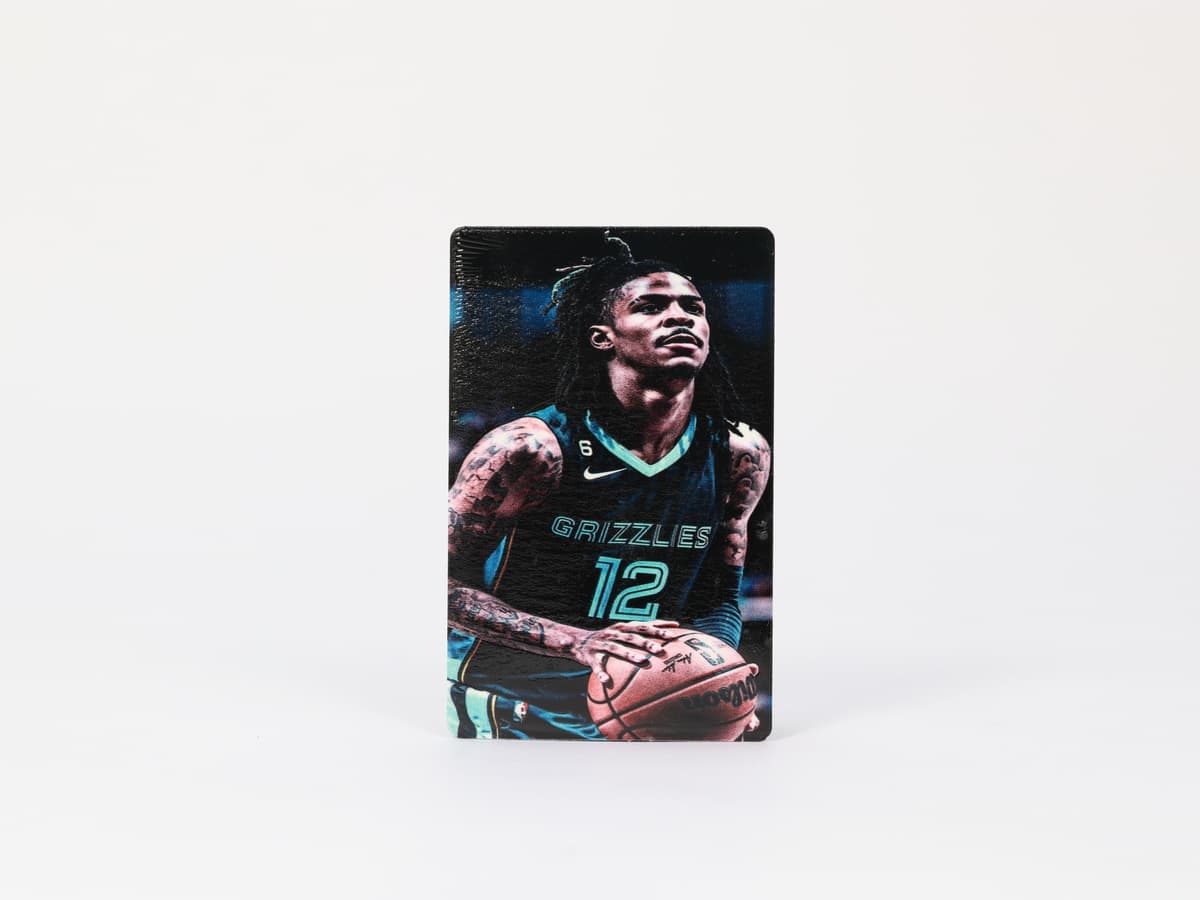
- UV printing — Full-color CMYK branding, with a white underbase for dark carbon backgrounds.
- NFC integration — Embedding and encoding an NTAG chip in an engineered zone so it reads reliably despite carbon being conductive.
- OEM customization — White-label production, custom packaging, and matching card cases.
MASTERMATE is the manufacturer brand behind CarbonFactorys.com and offers carbon fiber card processing, decoration and NFC encoding. Buyers should request current quality documentation and validate the proposed construction on a production-intent sample. For a technical walkthrough, see how carbon fiber business cards are made and what NFC business cards are and how they work.
The Future of Smart Luxury Identity
The direction of travel is clear: identity is becoming both more physical and more digital at the same time. Rather than replacing the physical card, smart technology is upgrading it into a connected object.
- Digital networking — Contact exchange, portfolios, and booking links delivered instantly from a physical tap.
- Contactless interaction — Access, check-in, and payments increasingly triggered by a single card.
- Premium personalization — Serialized, individually encoded cards that make each holder feel recognized.
- Smart membership ecosystems — Cards that link to tiers, benefits, and member services that can evolve without reissuing the card.
The through-line is simple: the future business card is not only a card, but a physical gateway connecting brands and digital experiences. Carbon fiber gives that gateway a body worth keeping; NFC gives it a purpose beyond the first handshake.
About MASTERMATE
MASTERMATE is operated by Shenzhen Mastermate Technology Co., Ltd., a carbon fiber product manufacturer based in Shenzhen, China. CarbonFactorys.com is the official manufacturing website; MASTERMATE is the primary brand. Procurement teams can request current company, quality and project documentation during supplier review.
MASTERMATE specializes in custom carbon fiber products, including:
- Carbon fiber business cards — real CFRP cards with UV print, laser engraving, and foil options.
- NFC smart cards — carbon fiber cards with encoded NTAG chips for tap-to-share and membership use.
- Premium card cases — matching carbon fiber holders for cards and gifts.
- Custom carbon fiber solutions — from drone frames and automotive parts to sports equipment and raw materials.
Explore the range via the Cards category: carbon fiber business cards, custom NFC business cards, and OEM services from this carbon fiber manufacturer.
Conclusion
Carbon fiber NFC business cards represent the convergence of three things brands increasingly want in one object: advanced materials, smart technology, and luxury design. The material delivers durability and an unmistakably premium feel; the NFC chip delivers instant, contactless digital identity; and together they turn a routine exchange into a memorable, measurable brand moment.
For companies seeking differentiation — luxury brands, motorsport teams, executives, and private clubs — this combination is becoming a preferred choice over disposable paper and plastic. As smart identity ecosystems mature, the premium card is likely to remain the tangible anchor that connects a brand to its digital world.
Frequently Asked Questions
Common questions about carbon fiber NFC business cards, custom NFC business cards, and premium card programs.
What is a carbon fiber NFC business card?
It is a thin carbon-fiber-reinforced polymer (CFRP) card with an embedded NFC chip (ISO/IEC 14443, 13.56 MHz). Tapping it to a modern smartphone opens a website, contact profile, portfolio, or membership record — no app required.
Do carbon fiber NFC cards work with iPhone and Android?
Yes. Modern iPhones (XS/XR and later) and most Android phones read NFC tags natively. Reputable manufacturers tap-test every production batch on both platforms before shipment.
Does carbon fiber block the NFC signal?
Carbon fiber is conductive and can weaken NFC if the chip is buried under solid carbon. Proper cards place the antenna in a routed cavity or laminate window so read range is preserved. Always request tap-test data on production samples.
Why choose carbon fiber over metal or PVC cards?
Carbon fiber is far lighter than metal while feeling premium, will not crease like paper, and carries strong luxury and engineering associations. PVC is cheaper but reads as promotional rather than premium.
Can the card link to my website and social media?
Yes. The NFC chip is typically encoded with a URL or vCard that can point to your website, a digital profile, social links, a portfolio, or a booking page. With a dynamic profile you can update the destination without reissuing the card.
What are carbon fiber card cases used for?
Matching carbon fiber cases protect the card surface, keep NFC cards readable, and raise presentation for VIP kits and executive gifts. They accept the same engraving, UV print, and foil branding as the cards.
What is the typical minimum order for custom carbon fiber cards?
OEM programs commonly start around 50–100 pieces for engraving and 100+ for full-color UV printing. Sample orders of a few units are usually available for approval before bulk production.
How long does production take?
Typical sampling lead time is 7–20 business days after technical requirements, drawings and deposit are confirmed. Bulk runs of hundreds to thousands are often 10–15 days after artwork and sample approval, plus shipping.
Who manufactures these cards?
MASTERMATE is operated by Shenzhen Mastermate Technology Co., Ltd. — an ISO 9001-certified carbon fiber manufacturer in Shenzhen specializing in custom carbon fiber business cards, NFC smart cards, card cases, and other custom carbon fiber solutions.
Sources & Further Reading
- Wikipedia — Carbon-fiber-reinforced polymer
- Boeing — 787 Dreamliner family background (composite primary structure)
- ISO/IEC 14443-1:2018 — Contactless proximity objects
- NFC Forum — Technical specifications
- NXP — NTAG213, NTAG215 and NTAG216 product specifications
- Markets Insider — MASTERMATE carbon fiber NFC smart card expansion (Jul 2026)
- TechBullion — Why carbon fiber NFC cards are redefining smart business networking
- TechBullion — Carbon fiber manufacturing meets NFC technology
- Carbonfactorys — Custom carbon fiber business cards (product)
- Carbonfactorys — Carbon fiber NFC business cards (product)
- Carbonfactorys — Custom OEM/ODM manufacturing
Precisa de produtos de fibra de carbono personalizados?
Nossa equipe de engenharia ajuda marcas em todo o mundo a desenvolver soluções OEM em fibra de carbono com MOQs baixos e prototipagem rápida.
Solicite um orçamento hoje.