Carbon Fiber Pickleball Paddles: Spin, Control & Buyer's Guide
Why carbon fiber pickleball paddles dominate — raw carbon vs fiberglass faces, T700 vs 3K, core thickness (14 vs 16 mm), spin and grit, weight and shape, USA Pickleball approval, and how to source factory-direct or private-label.
This technical guide was prepared by the MASTERMATE Engineering Team based on our experience in carbon fiber material selection, composite manufacturing, CNC machining and OEM/ODM production.
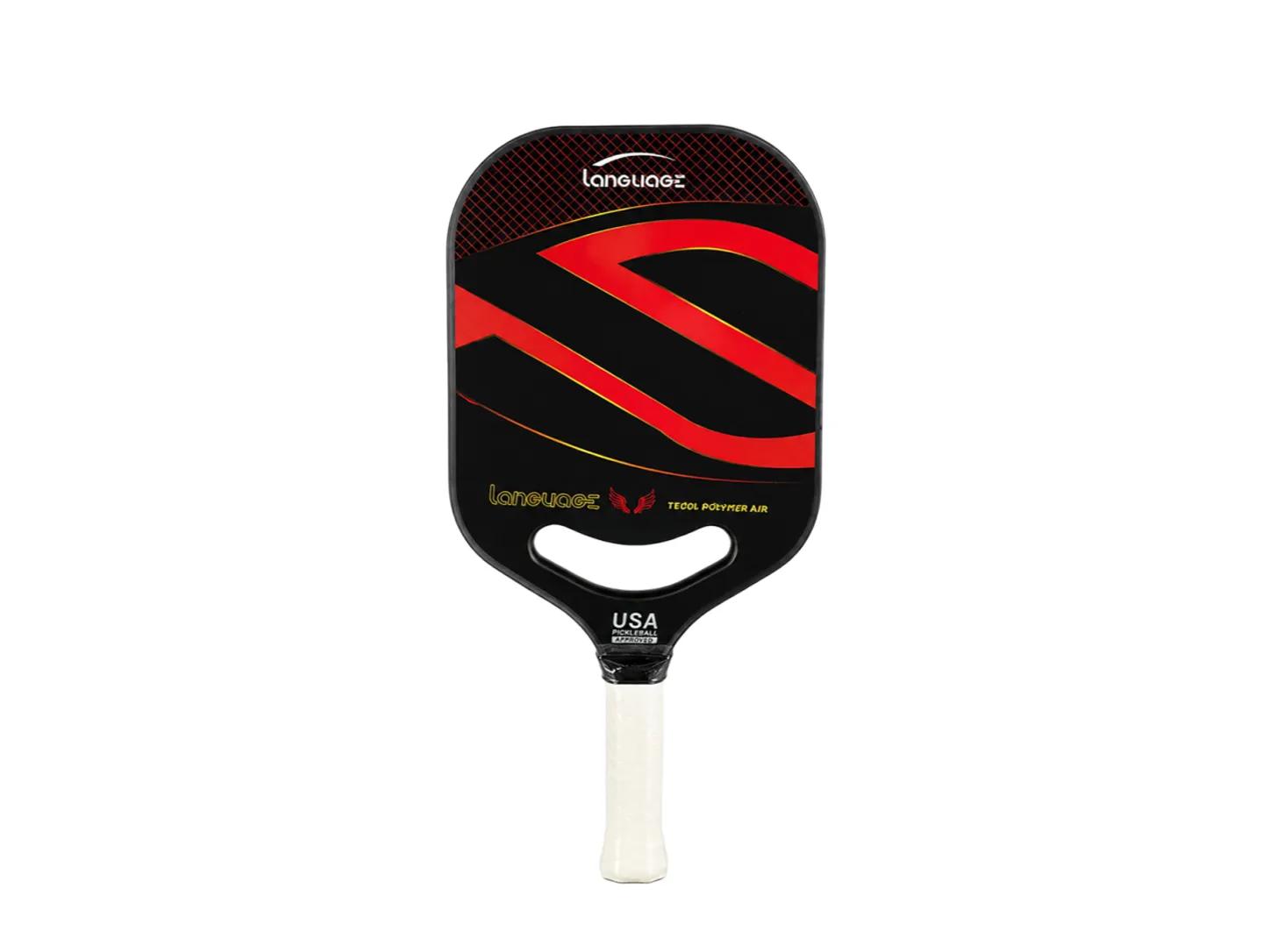
Walk onto any pickleball court today and most serious players are holding a carbon fiber paddle. Carbon took over because it does the two things competitive players want most: it grips the ball for spin, and it delivers a consistent, controllable response across a large sweet spot. But "carbon fiber paddle" spans a huge range — from a genuine raw-T700 face on a precision-molded core to a thin carbon-look skin on a cheap blank. This guide is the briefing we give buyers and brands sourcing paddles from our factory.
Why Carbon Fiber Faces Took Over
A pickleball paddle is a face (the hitting surface) bonded to a core. The face material decides spin, control and feel. Carbon fiber — especially "raw" unpainted carbon — wins on the two things that matter for the modern, spin-heavy game [1].
Raw Carbon vs Painted vs "Carbon Look"
This is where spin is won or lost. The texture of the face is what grabs the ball [2].
| Face | Surface | Spin | Note |
|---|---|---|---|
| Raw carbon (T700, peel-ply) | Textured unpainted carbon | Highest | The premium standard; grit can wear over time |
| Painted carbon | Carbon under a painted/textured layer | Moderate | Spin depends on the coating |
| Carbon + fiberglass hybrid | Carbon zones for control | Varies | Tunes power vs control |
| "Carbon look" skin | Printed pattern, no real grit | Low | Not a true raw-carbon face |
The Core: Thickness & Material
The face gets the attention, but the polypropylene honeycomb core decides power, feel and the sweet spot as much as the face does [3].
| Core | Feel | Best for |
|---|---|---|
| 16 mm | Soft, controlled, big sweet spot | Control players, dinking, consistency |
| 14 mm | More pop and power, firmer | Power players, faster hands battles |
| 13 mm or less | Maximum power, smaller sweet spot | Aggressive players who trade control |
Weight, Shape & Grip
- Weight: ~7.6–8.5 oz. Lighter = faster hands and less arm strain; heavier = more power and stability. Most players land around 7.8–8.2 oz.
- Shape: elongated (16.5") adds reach and power but a narrower sweet spot; standard adds a wider, more forgiving sweet spot.
- Grip: length and circumference affect spin (longer grip = two-handed backhand) and comfort; thinner grips let you spin more.
- Edge guard vs edgeless: edge guards protect the paddle; edgeless saves weight at the rim.
USA Pickleball Approval
If you play sanctioned tournaments, the paddle must be on the USA Pickleball approved list (it passes surface-roughness and deflection tests). For recreational play it is not required, but for any brand selling to competitive players, getting paddles approved is essential [4].
Cost, MOQ & Private-Label Sourcing
Pickleball is one of the fastest-growing sports, and private-label paddles are a popular brand play. Factory-direct economics [5]:
| Order | MOQ | Indicative cost |
|---|---|---|
| Stock paddle + your graphics | 100–300 | $14–28 / paddle |
| Custom shape / core / face spec | 300–500 | $18–38 / paddle |
| USA Pickleball approval submission | Per model | Quoted (test + listing) |
- Spec the build: face (raw T700), core thickness (14/16 mm), shape, weight and grip.
- Send your graphics / brand kit for custom paint and packaging.
- For tournament sales: we can build to USA Pickleball spec and support the approval submission.
See our sports category for carbon paddles and blades, or the custom page to start a private-label run. Related reading: what is carbon fiber? and our guide on real vs forged carbon.
Frequently Asked Questions
The questions buyers and brands ask most about carbon pickleball paddles.
Are carbon fiber pickleball paddles better?
For control and spin, yes — which is why most competitive players use them. A raw (unpainted T700) carbon face grips the ball for more spin and gives a consistent, controllable response across a large sweet spot. Fiberglass faces offer more raw power but less control and spin. The "best" paddle depends on your style, but carbon is the default for the modern spin-and-control game.
What does "raw carbon fiber" mean on a paddle?
It means the carbon face is left unpainted, exposing the carbon's micro-texture (from the peel-ply process). That texture grips the ball for spin. Painted carbon faces hide the carbon under a coating and usually spin less. Raw carbon is the premium standard — just note the surface grit wears over time, so durability varies by quality.
Should I get a 14 mm or 16 mm core?
A 16 mm core is softer, more controlled and has a bigger sweet spot — best for control players, dinking and consistency. A 14 mm core is firmer with more pop and power — better for power players and fast hands battles. Most control-oriented players prefer 16 mm; aggressive players prefer 14 mm.
How long does the spin last on a raw carbon paddle?
The spin comes from the surface texture, which gradually wears with play. On a quality raw-carbon face it stays strong for many months of regular play; on cheap paddles it can smooth out much faster. Surface durability is a key quality difference — ask about the face material (T700) and how the texture is produced.
Do carbon fiber paddles need to be USA Pickleball approved?
Only for sanctioned tournament play, where the paddle must be on the USA Pickleball approved list (it passes surface-roughness and deflection tests). For recreational play, approval is not required. Brands selling to competitive players should get their models approved — a good factory builds to spec and supports the submission.
Can you manufacture private-label carbon pickleball paddles?
Yes. We produce carbon paddles and offer private-label production: your choice of raw-T700 face, core thickness (14/16 mm), shape, weight and graphics, with your branding and packaging. MOQ is typically 100–300 for stock shapes with your graphics. We can also build to USA Pickleball spec and support approval. Send your spec and quantities for a quote.
Sources & Further Reading
Need Custom Carbon Fiber Products?
Our engineering team helps brands worldwide develop OEM carbon fiber solutions with low MOQs and rapid prototyping.
Request a Quote Today.