1 free sample for qualified buyers · Quote within 2 hours · ISO 9001 carbon fiber factory · 100+ countries shippedinfo@carbonfactorys.comWhatsApp
CFRP Knowledge Hub
Carbon Fiber Reinforced Polymer (CFRP): Materials, Manufacturing, and Applications
Carbon fiber reinforced polymer combines carbon fiber reinforcement with polymer resin to create lightweight, high-strength composite materials. Once limited mostly to aerospace and motorsport, CFRP now appears across industrial parts, automotive programs, drones, luxury accessories, and even carbon fiber business cards. CarbonFactorys is a carbon fiber manufacturer specializing in custom CFRP composite products, carbon fiber cards, NFC smart cards, and precision carbon fiber solutions.
Why this page exists
This page is designed as a manufacturer-oriented CFRP hub: define the material clearly, explain the production logic, connect major application sectors, and show where custom composite manufacturing capability matters in the real world.
What Is Carbon Fiber Reinforced Polymer (CFRP)?
CFRP is a composite structure built from two parts: the carbon fiber reinforcement and the polymer matrix. The fibers carry most of the tensile load and provide stiffness; the resin matrix binds the fibers together, holds the geometry, transfers stresses between filaments, and protects the reinforcement from abrasion and environmental exposure.
That combination gives carbon fiber composite materials their signature property profile: high strength-to-weight ratio, low density, corrosion resistance, dimensional stability, and engineered directional performance. Unlike isotropic materials such as steel or aluminum, CFRP can be tuned through fiber orientation, laminate stacking sequence, thickness, and resin selection.
High strength-to-weight ratio
Lighter structures for equivalent stiffness or strength targets.
Lightweight
Lower mass improves handling, efficiency, portability, and user comfort.
Corrosion resistance
CFRP does not rust like steel and performs well in harsh environments.
Dimensional stability
Useful for precision parts, flat panels, tubes, and repeatable assemblies.
If you want the simpler material background first, see our existing explainer on what carbon fiber is. This CFRP hub goes one step further by connecting raw material, process, and finished-product use cases.
CFRP Manufacturing Process
The manufacturing process for carbon fiber reinforced polymer is not one single factory recipe. It is a family of related workflows that adapt to geometry, thickness, cosmetic requirements, mechanical loads, and production volume. Still, most CFRP programs follow the same logic from reinforcement preparation to final finish.
1. Carbon fiber material preparation
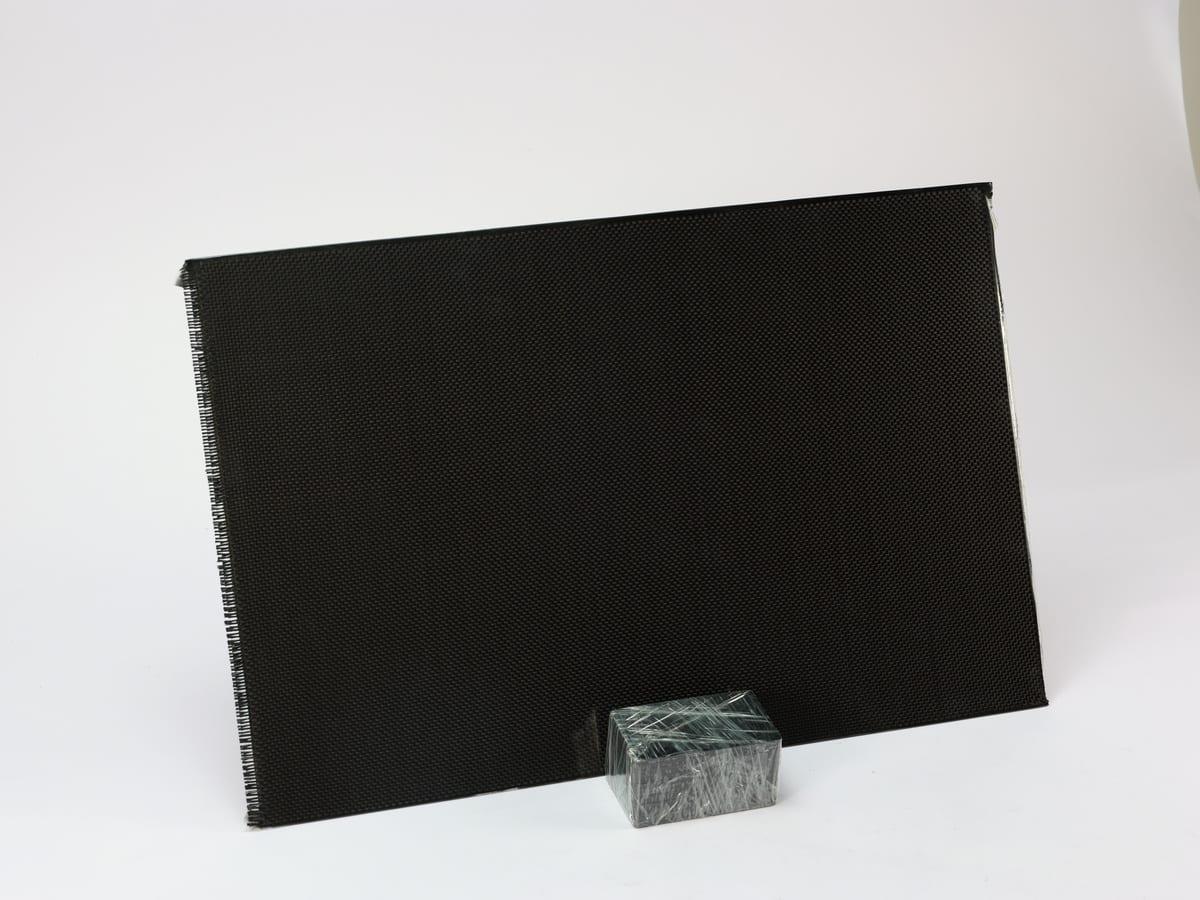
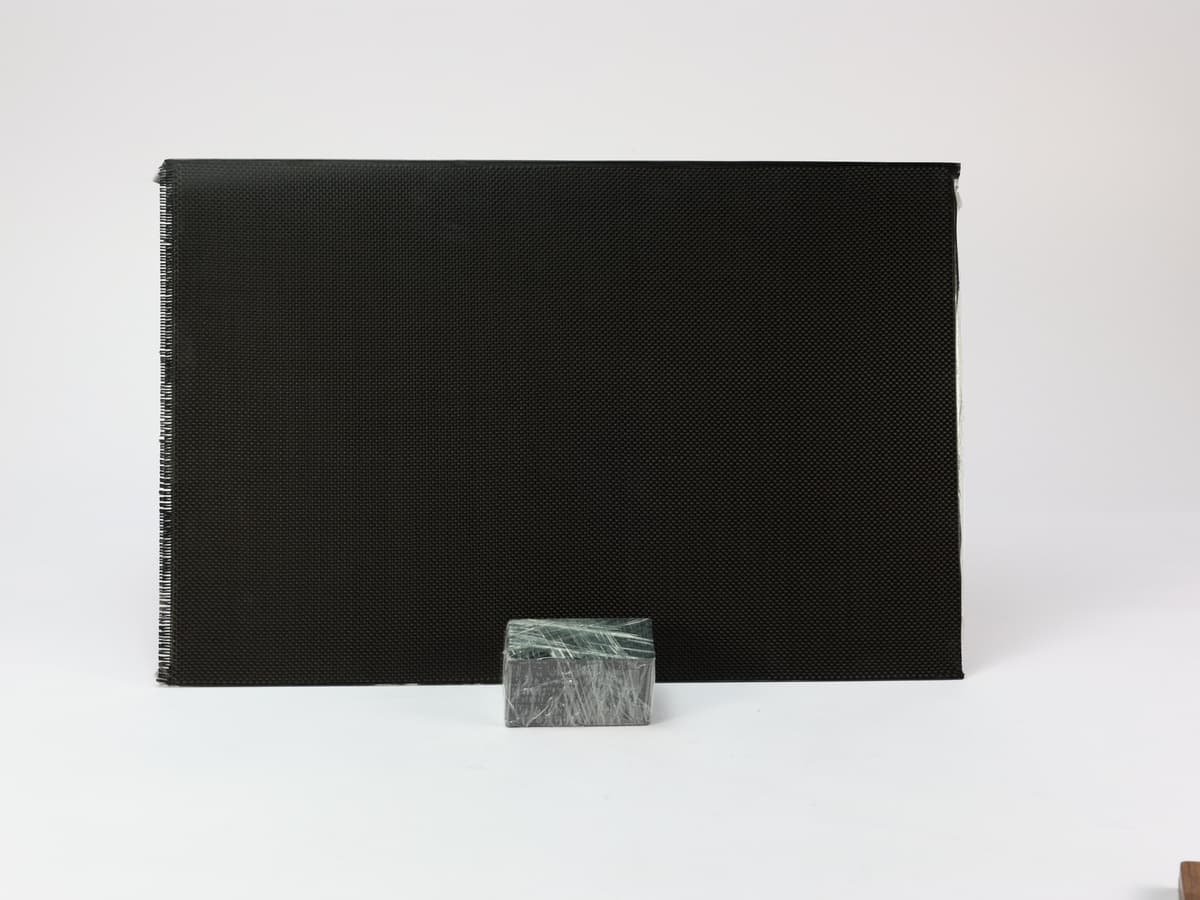
The process begins with fiber form selection: dry cloth, unidirectional tape, tube, plate stock, or prepreg depending on the target part. Engineers choose weave pattern, tow size, thickness, and resin system according to strength, stiffness, weight, and surface requirements.
2. Prepreg carbon fiber production
For high-consistency parts, the reinforcement is often pre-impregnated with a controlled amount of resin. Prepreg improves fiber-to-resin ratio control, laminate uniformity, and repeatability, but it also requires cold storage and a managed cure window.
3. Mold forming
Sheets, plies, or preforms are cut and placed into a tool. Fiber orientation matters: the same carbon fiber composite behaves very differently depending on how the plies are aligned to the expected load path and geometry.
4. Compression molding
For flat or repeatable production parts, heated compression molding consolidates the laminate under controlled pressure. This is common where buyers need consistent thickness, better surface flatness, and scalable part-to-part repeatability.
5. Autoclave or heated cure
Higher-spec CFRP programs may use vacuum bagging and autoclave cure; other programs use oven or heated press cure. The goal is the same: convert the resin into a rigid, stable matrix with minimal voids and reliable mechanical performance.
6. CNC machining
After cure, CFRP parts are trimmed, drilled, slotted, or profiled by CNC. This stage controls final geometry, edge quality, fitment, and hole accuracy for automotive, industrial, drone, and luxury-product programs.
7. Surface finishing
Finished CFRP components may receive sanding, edge polish, clear coat, matte coat, UV print, laser engraving, or other cosmetic treatments. This step matters both for protection and for premium appearance in branded products.
In practice, CarbonFactorys programs often combine composite layup, heated press forming, CNC trimming, and cosmetic finishing depending on whether the target is an industrial plate, an automotive trim part, a drone component, or a luxury card product. For the upstream material story from PAN precursor to cloth and finished part, read How Is Carbon Fiber Made? The Process from PAN to Finished Part.
Applications of Carbon Fiber Reinforced Polymer
Aerospace
Aircraft structures, interior modules, brackets, fairings, and other lightweight components use CFRP because every gram matters. Aerospace helped establish the material as the benchmark for high specific strength and stiffness.
Automotive and Motorsport
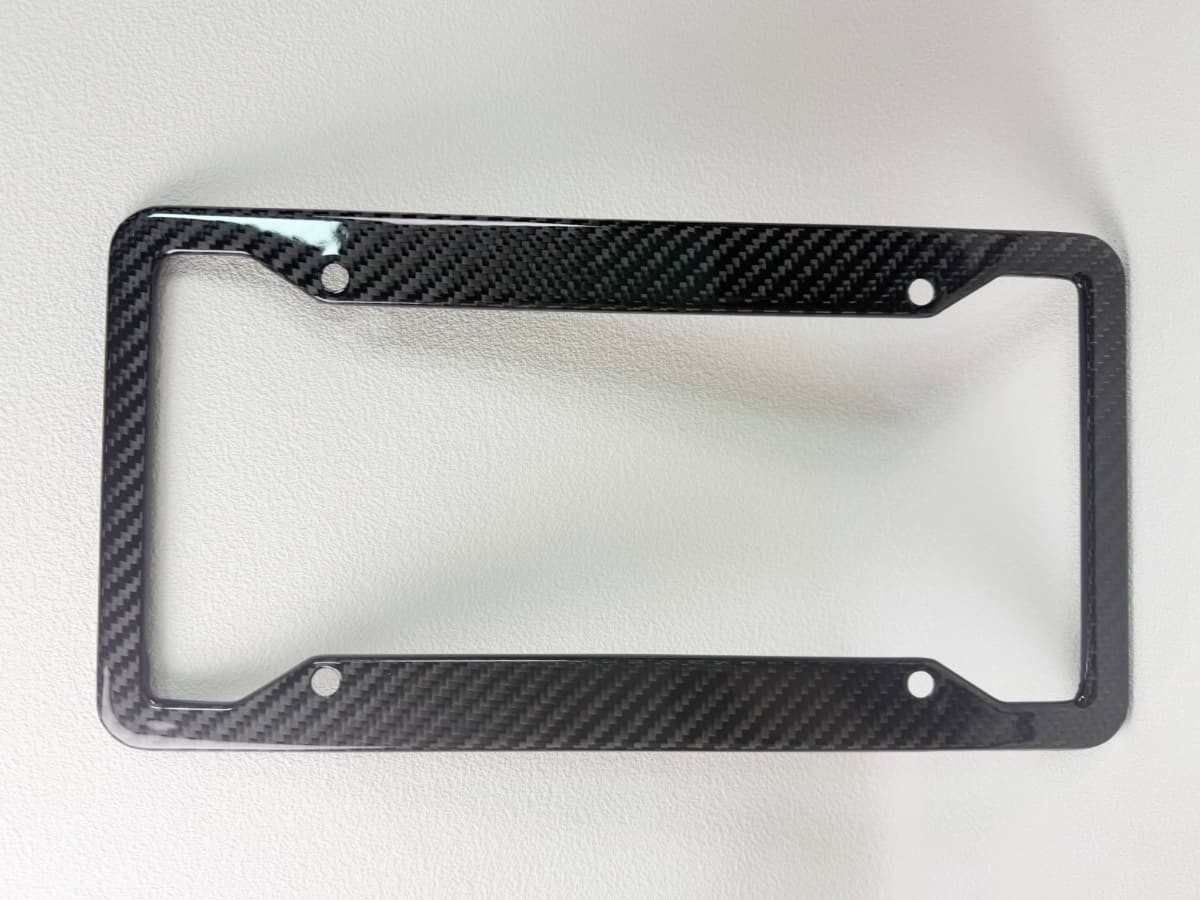
Body panels, spoilers, trim, license plate frames, and structural performance parts benefit from lower mass, corrosion resistance, and the distinctive woven appearance associated with racing and supercars.
Industrial Applications
Jigs, equipment parts, precision fixtures, tubes, bars, and plates use carbon fiber composite materials where dimensional stability, stiffness, and chemical resistance are more important than the low raw material cost of steel or plastic.
Consumer Products
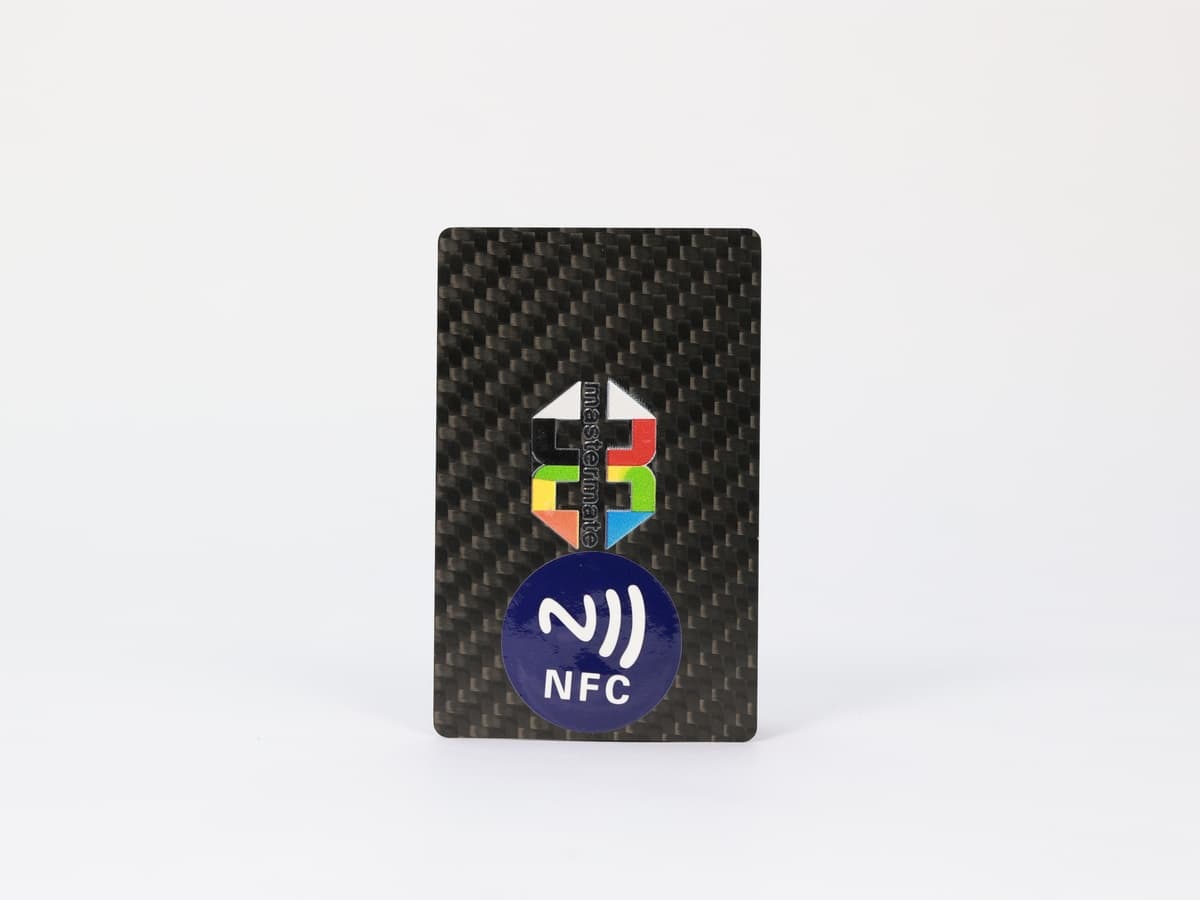
CFRP has moved well beyond heavy industry. It is now used in carbon fiber business cards, custom NFC smart cards, card holders, luxury accessories, drones, sports gear, and other premium products where engineering value and tactile differentiation matter together.
Why Carbon Fiber Is Used in Premium Products
Engineers first adopted CFRP because of performance, but premium-product buyers also respond to its visual and tactile signals. The woven appearance is distinctive, the material feels technical rather than decorative, and it supports multiple finishing options without losing its identity.
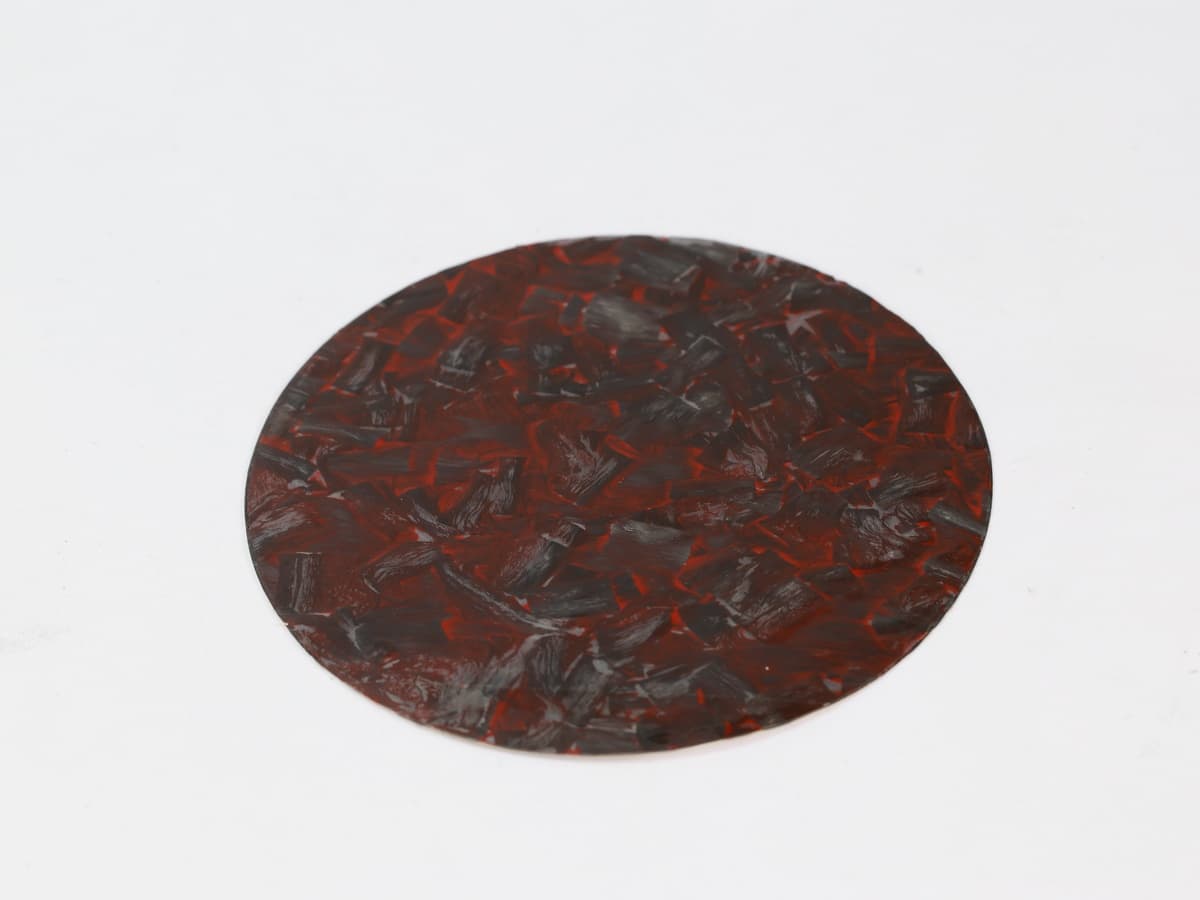
Visible 3K twill or forged carbon patterns create a recognizable premium surface.
Durability is materially better than paper, many plastics, and low-end decorative laminates.
Customization can extend beyond geometry into engraving, UV print, foil, edge paint, and protective clear coat.
The material naturally bridges high-performance sectors and branded luxury products.
That is why CFRP now appears in carbon fiber business cards, custom NFC business cards, card holders, and other premium accessories. These are not disconnected from the broader material story; they are consumer-facing expressions of the same carbon fiber composite logic used in industrial and transport sectors.
CarbonFactorys Custom Carbon Fiber Manufacturing
CarbonFactorys specializes in custom carbon fiber products and composite manufacturing solutions. In practical terms, that means OEM/ODM work where laminate processing, CNC machining, cosmetic finishing, and custom design support are combined around the part requirement rather than forced into a one-size-fits-all template.
OEM/ODM support for custom CFRP parts and premium consumer products
Carbon fiber processing across plate, tube, card, and formed-part programs
CNC cutting, drilling, profiling, and post-cure fitment refinement
Surface finishing options including clear coat, matte coat, UV print, and laser engraving
Custom design support for geometry, branding, packaging, and application-specific details
If you are evaluating a supplier from a manufacturing perspective rather than as a storefront, start with the carbon fiber manufacturer page and compare it alongside the material and process content in this hub.
The Future of Carbon Fiber Composite Materials
The next stage of CFRP growth is not limited to aircraft and racing. Lightweight manufacturing targets in electric vehicles, smart connected products, industrial automation, and premium customization continue to widen the range of viable carbon fiber applications. At the same time, buyers are asking harder questions about resin systems, process repeatability, repairability, and sustainability pathways for composite materials.
That shift benefits manufacturers who can explain the full chain: what the material is, how it is made, why a certain process fits a certain product, and where carbon fiber genuinely creates value. In that sense, the future of CFRP is not only lighter parts, but more informed selection of where composite materials belong.
Frequently Asked Questions
What is carbon fiber reinforced polymer?
Carbon fiber reinforced polymer, usually shortened to CFRP, is a composite material made by combining carbon fiber reinforcement with a polymer resin matrix such as epoxy. The fibers provide high tensile strength and stiffness, while the resin binds the fibers, transfers load, and protects the structure. The result is a lightweight, corrosion-resistant material with a high strength-to-weight ratio.
How is CFRP manufactured?
CFRP is manufactured by preparing carbon fiber material, arranging it as dry fabric or prepreg, forming it in a mold, curing the resin under heat and pressure, and then trimming and finishing the part. Depending on the application, the process may involve compression molding, vacuum bagging, autoclave curing, CNC machining, surface coating, and decorative finishing.
What industries use carbon fiber composites?
CFRP is widely used in aerospace, automotive, motorsport, industrial equipment, drones, medical devices, and premium consumer products. Its value is highest where low weight, high stiffness, corrosion resistance, dimensional stability, or premium appearance matter.
Can carbon fiber products be customized?
Yes. Carbon fiber products can be customized in geometry, weave pattern, thickness, laminate structure, surface finish, printing, laser engraving, and packaging. OEM/ODM projects often combine composite layup, CNC machining, and finishing steps to produce application-specific CFRP parts.