What Is Forged Carbon Fiber? Marbled Look, Strength & How It Differs from Woven
Forged carbon fiber explained — what it is, how it is made, the marbled "Lamborghini" look, forged vs woven (twill) carbon, where it is used (rings, trim, accents), and how to source custom parts factory-direct.
This technical guide was prepared by the MASTERMATE Engineering Team based on our experience in carbon fiber material selection, composite manufacturing, CNC machining and OEM/ODM production.
Forged carbon fiber gets attention for one reason: the marbled, almost liquid-looking surface where no two parts are identical. It went mainstream after Lamborghini used it on supercar parts, and now shows up on rings, watch bezels, car trim and everyday carry. But "forged" is a different process from the woven weave most people picture — and knowing the difference tells you when to use which.
What Is Forged Carbon Fiber?
Forged carbon fiber is a composite made by pressing short, chopped carbon fiber tows mixed with resin into a mold under heat and pressure. The random fiber orientation creates the signature marbled pattern [1].
- Material: short chopped carbon tows (not continuous cloth) + epoxy resin.
- Process: compression molding — the fiber/resin mix is forced into a closed mold under high pressure.
- Look: random, marbled "swirl"; every part is visually unique.
- Also called: forged composite, chopped-fiber carbon, marbled carbon.
Forged vs Woven (Twill) Carbon Fiber
The core trade-off: forged flows into complex shapes with a unique look; woven gives higher, more predictable directional strength. Most premium products pick one for the right reason [2].
| Factor | Forged carbon | Woven (3K/12K twill) |
|---|---|---|
| Appearance | Marbled, unique per part | Regular weave pattern |
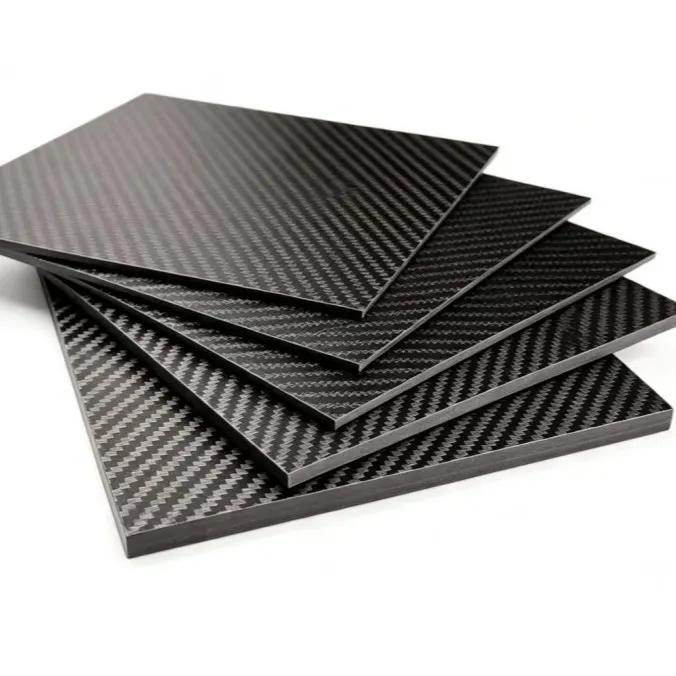
| Fiber form | Short chopped tows | Continuous fiber cloth |
| Strength | Good, more isotropic (even) | Higher in fiber direction |
| Complex 3D shapes | Excellent | Harder (cloth must drape) |
| Best for | Rings, trim, accents, shapes | Hoods, panels, structural parts |
| Cost | Higher (tooling + process) | Lower for flat/simple parts |
How Forged Carbon Is Made
- Chopped carbon fiber tows are mixed with resin into a moldable compound.
- The compound is placed into a closed, shaped mold.
- Heat + high pressure compress it, so the fibers flow and fill the shape.
- After curing, the part is demolded, machined and clear-coated to reveal the marbled finish.
Where Forged Carbon Fiber Is Used
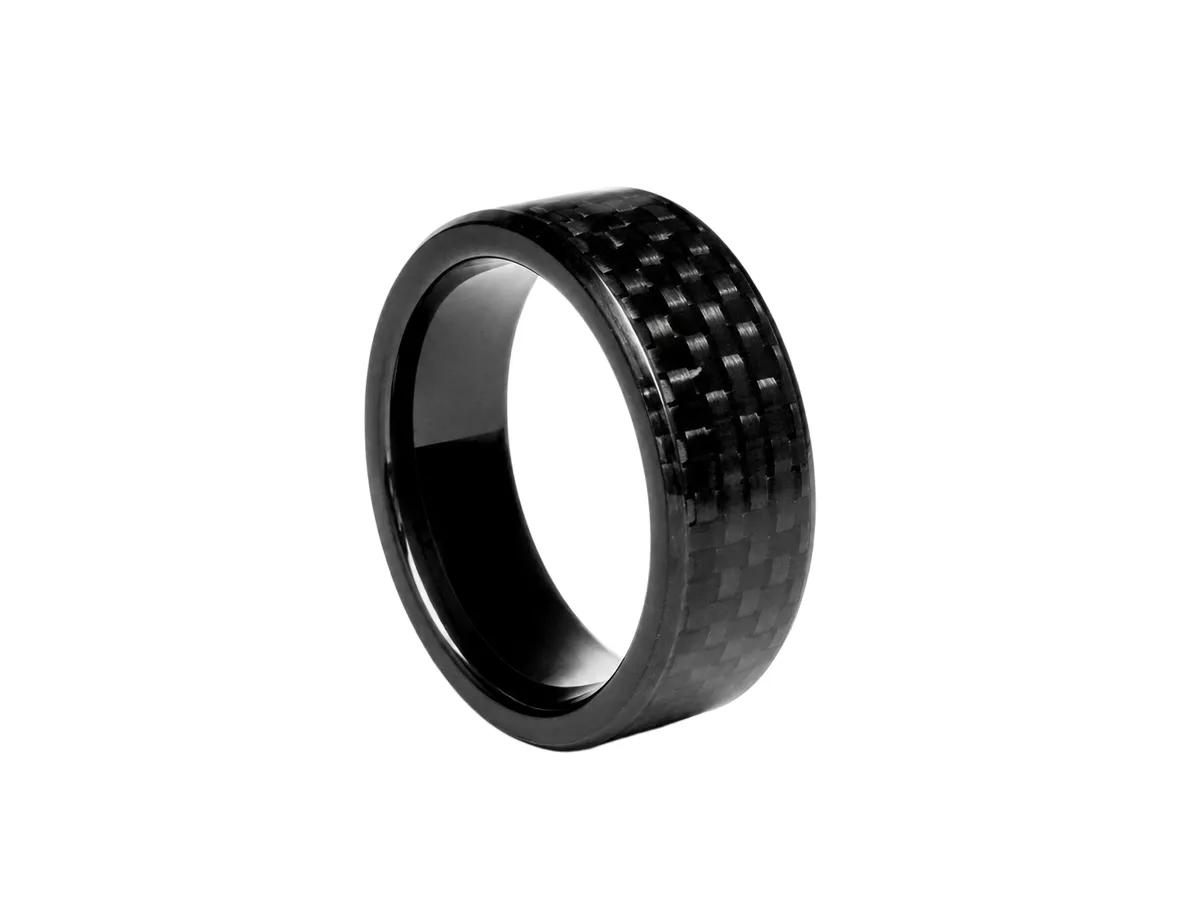
- Jewelry — rings and wedding bands (the marbled look is the selling point), pendants.
- Watches & EDC — bezels, cases, knife scales, pens.
- Automotive — trim, mirror caps, shift knobs, interior accents (cosmetic, complex shapes).
- Consumer — phone cases, eyewear, luxury accessories.
Browse the jewelry category for forged carbon rings, the Automotive Parts Manufacturer hub for trim and accents, or the Cards manufacturer hub for carbon finishes. New to the material? Start with What Is Carbon Fiber? and the ring material comparison Carbon Fiber vs Titanium vs Tungsten.
Sourcing Custom Forged Carbon Parts
Forged carbon parts are made to a mold, so custom shapes need tooling. Factory-direct, the economics depend on whether the shape is stock or new [3].
- Stock shapes (rings, blanks): low MOQ, fastest.
- Custom shape: requires a mold — send a drawing/3D file for a tooling quote.
- Finish options: gloss or matte clear coat; mixed forged + colored resin for accents.
Ready to source? Use the custom page to send a drawing or brief, or browse interior trim OEM and carbon fiber ring bands for forged-look SKUs already in production.
Frequently Asked Questions
The questions buyers ask most about forged carbon fiber.
Is forged carbon fiber real carbon fiber?
Yes. Forged carbon fiber is genuine carbon fiber and epoxy — it just uses short, chopped fiber tows compression-molded into a shape, instead of continuous woven cloth. The marbled pattern comes from the random fiber orientation. It is a different manufacturing process, not a fake or imitation material.
Is forged carbon fiber stronger than woven carbon fiber?
Not generally. Forged carbon has more even (isotropic) properties and is excellent for complex 3D shapes, but woven carbon (3K or 12K prepreg) is stronger in the fiber direction and is the right choice for load-bearing parts like hoods, splitters and drone arms. Choose forged for look and shape, woven for directional strength.
Why does forged carbon fiber have that marbled look?
Because it is made from short, randomly oriented chopped fiber tows rather than a regular weave. When compressed in the mold, the fibers flow in random directions, creating the swirling, marbled pattern. No two parts look exactly the same — which is a key reason it is used for premium rings and accents.
Can you make forged carbon fiber rings and custom shapes?
Yes. Forged carbon is ideal for rings, bezels and shaped accents because the compound flows into complex molds. Stock shapes (like ring blanks) have low MOQs; fully custom shapes require a mold, so send a drawing or 3D file and we will quote tooling and per-piece cost.
Is forged carbon more expensive than woven carbon?
Usually yes for the same part, because forged carbon needs a shaped mold and a compression process, while flat or simple woven parts can be cut from sheet. The premium is justified for the unique marbled look and for complex shapes that woven cloth cannot easily form.
Can you produce custom or private-label forged carbon products?
Yes. We make forged carbon rings, trim, accents and accessories with OEM/ODM service: your shape, finish (gloss or matte) and branding. Tell us the part, finish and quantity for a quote, including the applicable MOQ and any tooling for custom shapes.
Sources & Further Reading
Need Custom Carbon Fiber Products?
Our engineering team helps brands worldwide develop OEM carbon fiber solutions with low MOQs and rapid prototyping.
Request a Quote Today.