Automotive Carbon Fiber in 2026: EV Parts, Cost & Processes
Where carbon fiber makes sense in 2026 vehicles—from roofs and trim to selected EV structures—and how prepreg, RTM, and wet layup compare.
This 2026 update was reviewed by the MASTERMATE Engineering Team for automotive buyers comparing cosmetic carbon, structural CFRP, and production processes.
Carbon fiber has moved beyond motorsport into selected road-car structures and a broad aftermarket, but adoption remains constrained by material price, process time, repair, and recycling. The 2026 picture is shaped by continued EV growth, efficiency requirements, faster molding processes, and increasing interest in recycled fiber. This guide separates documented market direction from supplier projections and explains where CFRP is commercially credible.
The Three Forces Driving 2026 Adoption
- EV efficiency and packaging — lower mass can reduce energy use, but range impact varies with vehicle size, aerodynamics, tyres, duty cycle, and battery strategy. The IEA also notes that larger batteries add weight and can partly offset range gains [1].
- Efficiency and emissions policy — U.S. CAFE rules regulate fleet fuel economy, while EU CO₂ standards and Euro 7 address different emissions requirements. None is a simple carbon-fiber mandate or universal penalty per kilogram [2].
- Product differentiation — exposed weave remains a recognizable premium cue on trim and aerodynamic parts, where appearance can justify cost even when the component is not structural.
Where Carbon Fiber Actually Lives in a 2026 Vehicle
| Segment | Component examples | Adoption status | Cost driver |
|---|---|---|---|
| Hypercar / supercar | Monocoque, body panels, structural seats | Established on selected models | Low volume, validation, finish |
| Performance EV | Selected enclosures, modules, hood | Program-specific adoption | RTM, compression, joining |
| Premium sedan / SUV | Roof, hood, mirror caps, trim | Optional / package upsell | SMC + cosmetic prepreg |
| Mass-market BEV | Selected covers and reinforced inserts | Program-specific / limited | Cycle time, joining, validation |
| Aftermarket | Spoilers, diffusers, interior trim | Established niche | Wet layup, infusion, prepreg |
Dry Carbon vs. Wet Layup — A Buyer's Field Guide
The single biggest source of confusion in the automotive aftermarket is the difference between "dry" and "wet" carbon. They are not grades; they are manufacturing processes. The visual quality, weight, and long-term durability of the part depend almost entirely on which one was used [2].
| Property | Dry carbon (prepreg + autoclave) | Wet layup (hand-laminated) | Notes |
|---|---|---|---|
| Resin content | 32–38% (precision-controlled) | 50–65% (variable) | Wet parts are heavier |
| Weight savings vs. steel | 50–65% | 25–40% | Dry wins on the metric that matters |
| Surface quality | Potentially high and repeatable | Operator- and mold-dependent | Both still need controlled tooling and finish |
| Strength consistency | Tightly controlled resin content | More operator-dependent | Require process records and inspection |
| UV / heat resistance | Depends on resin and coating | Depends on resin and coating | Process name alone does not predict durability |
| Cost per part | Usually higher at low/mid volume | Usually lower tooling entry | Quote the same geometry and acceptance criteria |
The EV Lightweighting Math
A lighter vehicle generally needs less energy for acceleration and climbing, but there is no defensible universal conversion from kilograms saved to kilometres of range. Aerodynamic drag dominates more at steady highway speed, regenerative braking recovers some acceleration energy, and manufacturers may trade mass savings for payload, performance, a smaller battery, or range. Treat the component figures below as an illustrative mass comparison and validate benefits in a whole-vehicle model [3].
High-Volume Manufacturing: Why HP-RTM Is Eating the Aftermarket
Autoclave processing made aerospace-grade CFRP possible, but autoclave cycle times (4–8 hours) make it uneconomic for automotive volumes. The breakthrough method for the OEM segment is High-Pressure Resin Transfer Molding (HP-RTM): cycle times of 5–10 minutes, integrated cure, and surface quality good enough for direct paint or clear-coat [4].
- 1. PreformDry fiber stack cut and stitched to net shape. Highly automated; supports recycled fiber.
- 2. Mold loadingPreform laid into heated steel mold (often 4-cavity for cosmetic parts).
- 3. Resin injectionTwo-part epoxy injected at 80–150 bar, fills laminate in 60–120 s.
- 4. Press cure5–10 min at 110–140 °C. Press force ~1500–3000 t for body panels.
- 5. Demold + trimRobotic demold, ultrasonic or laser trim, automated dimensional check.
- 6. Surface preparationInspect, seal, prime where required, then paint or clear-coat to the specified appearance and weathering standard.
Recycled Carbon: Where It Fits Today
Thermoset CFRP remains harder to recycle than metals. Mechanical size reduction, pyrolysis, and solvolysis can recover material, but recovered fibers may be shorter, less consistently aligned, or require new sizing. That makes recycled carbon most credible today in chopped-fiber compounds, non-cosmetic panels, and selected semi-structural parts rather than as a drop-in substitute for every virgin continuous-fiber laminate [5].
Aftermarket: Spotting Quality, Avoiding Counterfeits
The aftermarket boom has produced a flood of "carbon-look" parts — vinyl-wrapped plastic, hydro-dipped resin, and sticker carbon. These are not the same as actual CFRP. Spotting the real thing on inspection day:
- Edge inspection: cut edges should show clearly visible woven fibers, not painted-over plastic.
- Construction evidence: request a cut-edge photo, back-side laminate view, material declaration, and finished-part weight. A cosmetic carbon skin over plastic is different from a structural laminate.
- Do not rely on a tap test alone: coatings, cores, ribs, and bonded reinforcements can make genuine and imitation parts sound similar.
- Light reflection: actual CFRP has an anisotropic shimmer that shifts as the part rotates; printed carbon-look has a uniform reflection.
What to Watch After 2026
The most credible directions are faster thermoplastic and resin-transfer processes, more automated preforming and inspection, and broader use of recycled chopped fiber where continuous-fiber properties are unnecessary. Adoption will remain program-specific: suppliers still need to prove cycle time, joining, crash behavior, repairability, coating quality, and end-of-life handling at the finished-part level.
Browse the Carbon Fiber Automotive Parts Manufacturer hub for exterior panels, interior trim and license plate frames, or use the custom page for OEM mould programs. Related reading: custom carbon fiber car parts and carbon fiber body kits.
Frequently Asked Questions
The questions our automotive clients ask most often before placing a quote.
Is "real" carbon fiber legal for road use on aftermarket body panels?
Rules vary by country, state, inspection regime, and whether the part affects pedestrian protection, latching, lighting, crash structure, or vehicle approval. Confirm the exact part with the local authority, installer, and insurer before replacing an original panel.
Do carbon fiber body panels affect insurance premiums?
They can affect declared modifications, replacement value, or repair options, but pricing varies by insurer and vehicle. Obtain written confirmation before installation rather than relying on a generic percentage estimate.
Can carbon fiber parts be repaired after a crash?
Some cosmetic and structural damage can be repaired by a qualified composite technician, but the decision depends on location, load path, laminate, hidden delamination, heat exposure, and the vehicle maker’s procedure. Safety-critical parts require engineering assessment rather than a universal crack-size threshold.
What's the difference between 3K twill, plain weave, and forged carbon?
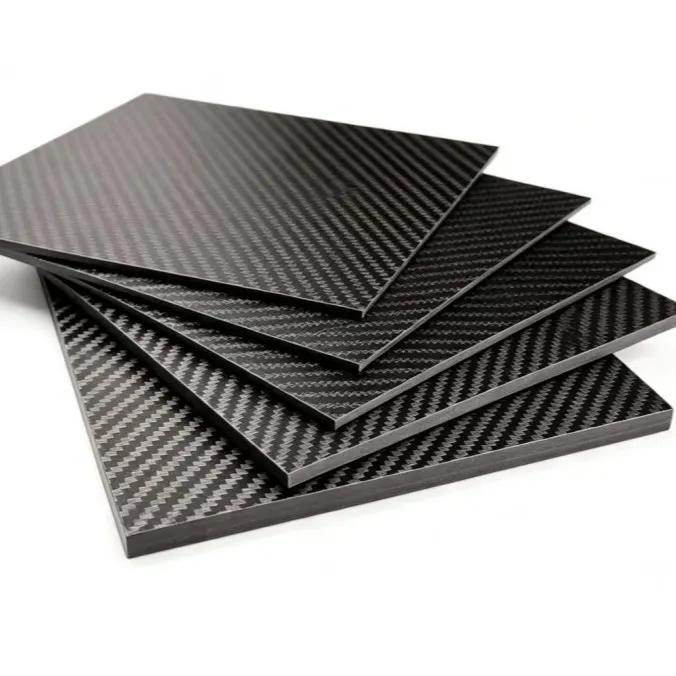
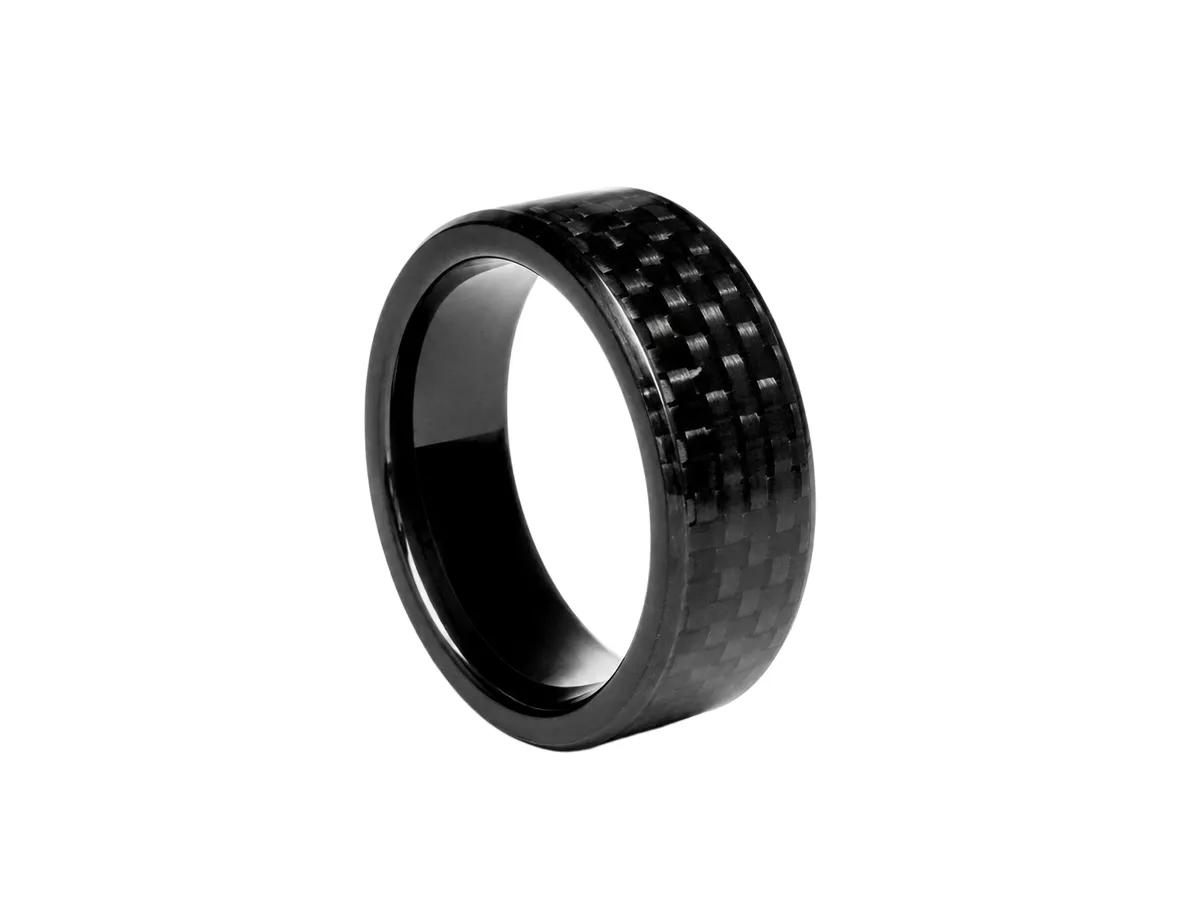
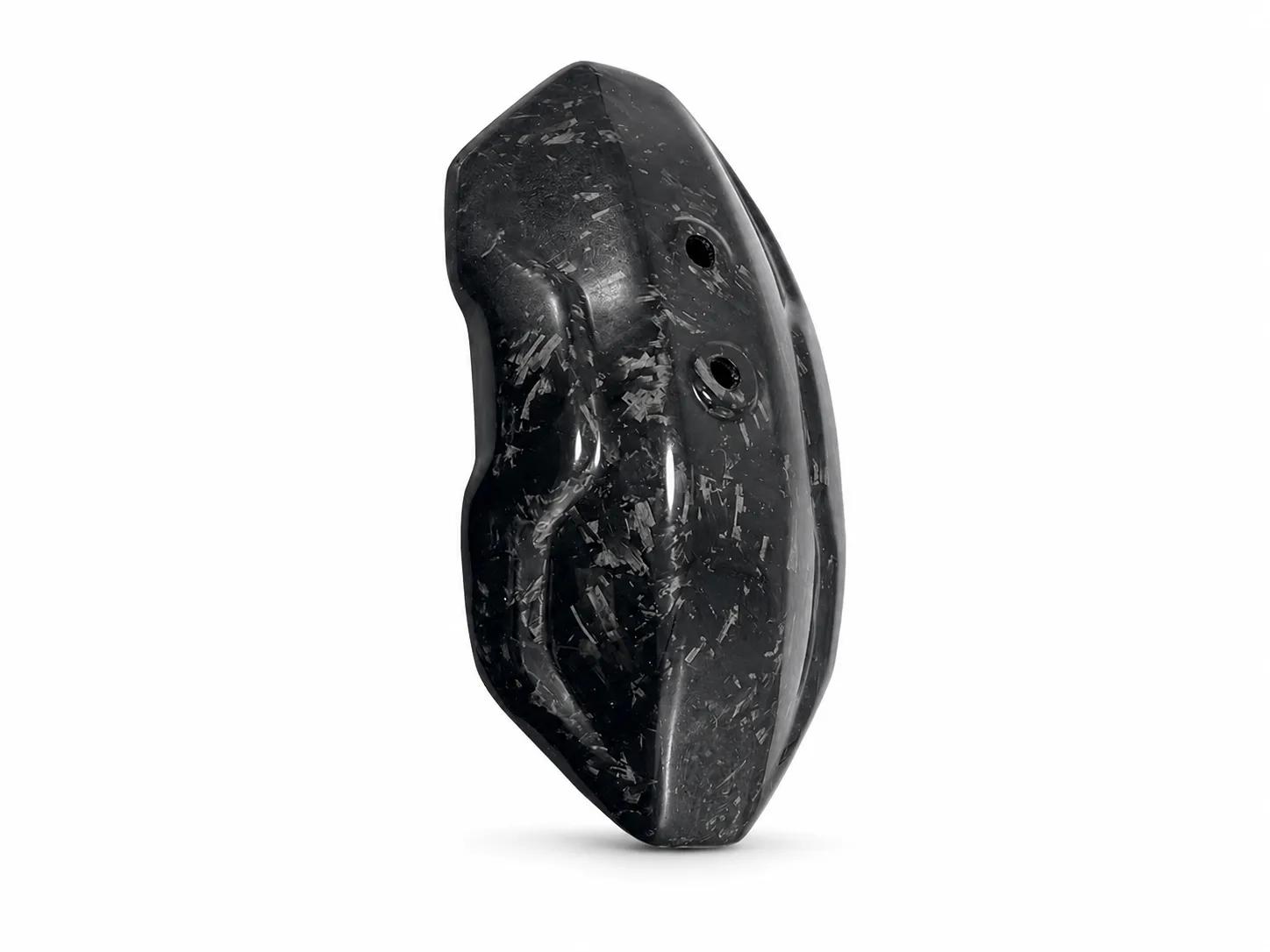
3K twill (the "carbon-look" diagonal pattern) is the default on most aftermarket parts. Plain weave is a square-checked pattern, common in older Porsche and Ferrari. Forged carbon is short-fiber compression-molded; it has a marbled non-woven appearance and is faster/cheaper for complex 3D shapes.
How long do exterior CFRP parts last in sunny climates?
Service life depends on resin, coating system, UV exposure, temperature, moisture, cleaning chemicals, and maintenance. Require an exterior-grade coating specification and accelerated-weathering test plan instead of assuming a fixed number of years.
Are carbon fiber EV battery enclosures actually safer than steel?
Material alone does not determine enclosure safety. Intrusion, impact, sealing, fire exposure, thermal propagation, electrical isolation, joints, and manufacturing consistency must be validated as a system. Composite, metal, and hybrid designs can all be engineered to meet a vehicle program’s requirements.
Sources & Further Reading
- Euro 7 emission standard overview (European Commission)
- U.S. NHTSA — CAFE Standards 2027–2031
- IEA — Global EV Outlook 2026
- CompositesWorld — HP-RTM in automotive
- BMW Group — Carbon fiber recycling at the SGL plant
- Toray — Automotive composites portfolio
- Hexcel — Automotive composites overview
- SAE International — Composites in EV battery enclosures
- JEC World — Automotive composites market reports
- Wikipedia — Carbon-fiber-reinforced polymer in automotive
- Recycled Carbon Fiber — ELG Carbon Fibre Ltd
- ASTM D7264 — Flexural Properties of Polymer Matrix Composites
How This Guide Was Prepared
Market direction is grounded in current IEA and regulator material. Component weights and process windows are illustrative engineering ranges, not promises for a specific vehicle; validate them against drawings, laminate design, tests, and local approval requirements.
Need Custom Carbon Fiber Products?
Our engineering team helps brands worldwide develop OEM carbon fiber solutions with low MOQs and rapid prototyping.
Request a Quote Today.