Carbon Fiber Body Kits: The Complete Buyer's & Sourcing Guide
What goes into a carbon fiber body kit, full vs partial vs widebody, real vs forged carbon, the fitment trap, and how to source full kits factory-direct or private-label — with MOQ, tooling and cost.
This technical guide was prepared by the MASTERMATE Engineering Team based on our experience in carbon fiber material selection, composite manufacturing, CNC machining and OEM/ODM production.
A carbon fiber body kit is the single biggest visual and aerodynamic upgrade you can bolt onto a car — and the single easiest place to overpay for poor fitment. "Body kit" hides a huge range: a $400 front-lip-only set and a $4,000 full widebody conversion are both called "carbon fiber body kits". This guide explains exactly what goes into a kit, how to tell a quality one from a trap, and how to source a complete kit factory-direct or under your own brand.
What Is Actually in a "Body Kit"
A body kit is a coordinated set of exterior panels designed to fit together as one look. What is included varies enormously by listing, so always confirm the exact part list before you buy [1].
- Front: front bumper or front lip/splitter, canards, grille surround.
- Sides: side skirts, side splitters, fender vents.
- Rear: rear bumper or rear apron/diffuser, spoiler or GT wing.
- Widebody only: flared front and rear fenders (over-fenders) that widen the track.
- Sometimes: carbon hood, trunk lid and roof for a full conversion.
Full vs Partial vs Widebody — Which Kit?
The word "kit" covers three very different scopes of work, budget and installation effort. Knowing which you actually want prevents the most common ordering mistakes.
| Kit type | What it includes | Install effort | Best for |
|---|---|---|---|
| Lip kit (partial) | Front lip, side skirts, rear apron | Bolt-on, DIY-friendly | Subtle, budget styling upgrade |
| Full kit | Front + rear bumpers, skirts, diffuser, spoiler | Moderate — bodywork alignment | Complete restyle on stock width |
| Widebody kit | Full kit + flared over-fenders | High — fender work, often paint | Aggressive stance, track/show cars |
| Aero kit | Functional splitter, diffuser, GT wing | Moderate, mounting critical | Track downforce, not just looks |
Real Carbon vs Forged vs "Carbon Look"
A body kit is a lot of surface area, so the difference between real carbon and a printed imitation is both very visible and very expensive to get wrong [2].
| Construction | Look | Real carbon? | Notes |
|---|---|---|---|
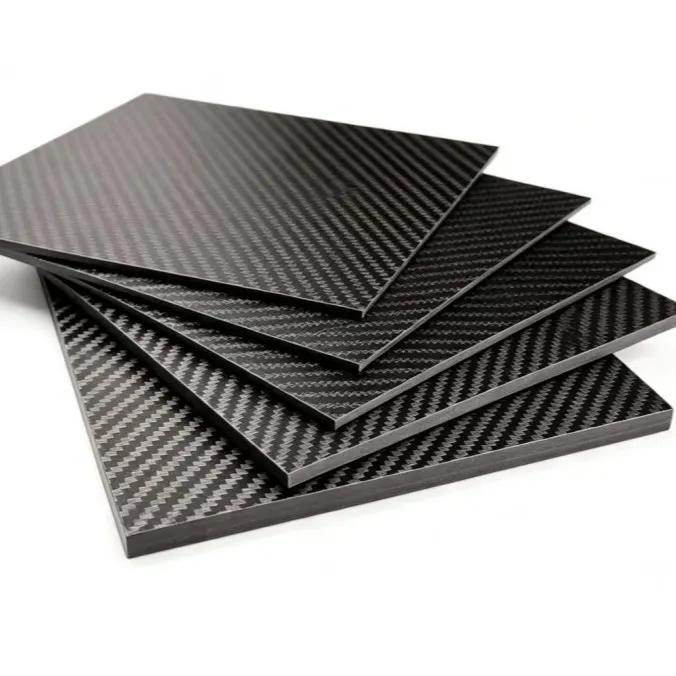
| Woven prepreg / wet layup | Crisp 3K/12K twill weave | Yes | Standard for quality kits; structural where needed |
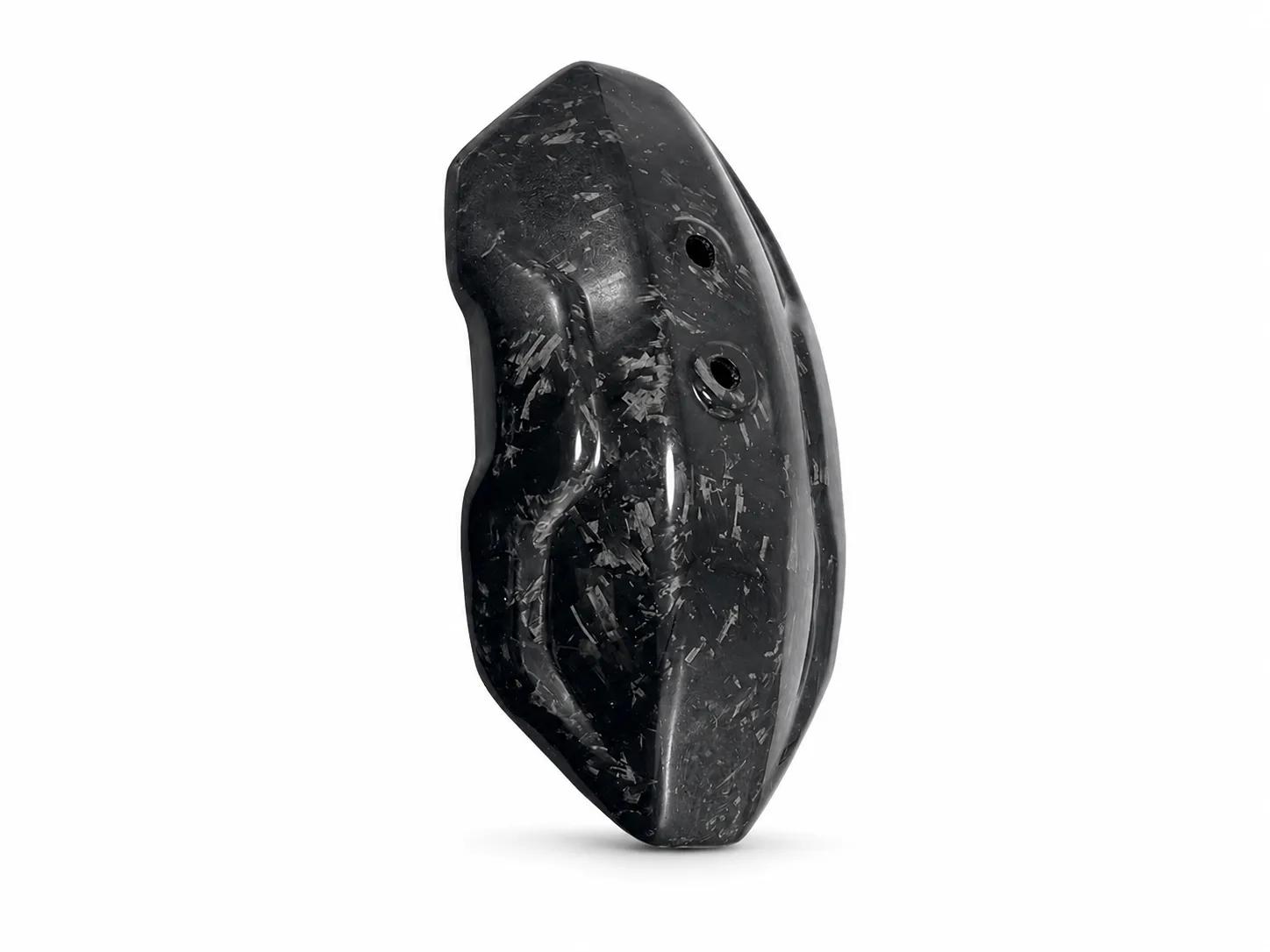
| Forged carbon | Marbled, no weave lines | Yes (chopped fiber) | Accent panels, premium cosmetic |
| Carbon + fiberglass hybrid | Carbon outer skin | Partly | Cost-down; heavier |
| Hydro-dip "carbon look" | Printed weave on plastic/FRP | No | Budget cosmetic only — not carbon |
Fitment: The Thing That Makes or Breaks a Kit
Ask any installer what ruins a carbon body kit and the answer is always the same: fitment. Panel gaps, misaligned bumpers and skirts that need grinding all trace back to one root cause — how the mold was made [3].
- 1. Genuine OEM 3D scanQuality tooling is 3D-scanned (±0.1 mm) from a real OEM body, capturing exact mounting points.
- 2. CNC master + moldA machined master and production mold are built to the scanned geometry, not eyeballed.
- 3. Test-fit on a real carReputable factories test-fit panels against an actual vehicle before production.
- 4. Mounting hardwareKits ship with correct brackets, tabs and hardware that line up with factory points.
Cost, MOQ & Tooling
The biggest cost driver is whether tooling already exists for your model. Kits for popular cars skip tooling and ship as single sets; a new custom or widebody kit pays for the mold once [4].
| Kit | Existing tooling? | MOQ | Indicative cost |
|---|---|---|---|
| Lip kit (partial) | Popular models yes | 1–10 | $400–900 |
| Full body kit | Popular models yes | 1–10 | $1,200–4,000 |
| Widebody kit | Popular models often | 1–5 | $2,500–7,000 |
| New custom kit | No — new tooling | Set by amortization | Mold quote + per-set |
Quality & UV: What to Check Before You Pay
- Clear coat: specify a 2K automotive UV-stable clear coat; cheap kits yellow within a year in sun.
- Weave alignment: the twill should run straight and symmetric across every panel and match between panels.
- Fitment proof: ask for test-fit photos on a real car of your model, and confirm 3D-scanned tooling.
- Mounting: kit should include correct brackets/tabs; "universal" fitment usually means grinding.
- Aero parts: for functional splitters/wings, ask for the laminate construction and mounting rating.
Sourcing Factory-Direct or Private-Label
You can order a complete kit for a popular model, or have us produce kits under your own brand. The fastest routes into a quote:
- Name the car + kit scope: e.g. "full carbon body kit for a 2021 BMW M4" — if we hold the tooling, you skip mold cost.
- Send a style reference or design: we build and 3D-scan tooling for a new or widebody kit.
- For a brand: OEM/private-label production puts your logo on kits made to your spec, with tooling you own.
Browse the Automotive Parts Manufacturer hub for panels and accessories, or use the custom page to start a kit mould program. Related reading: custom carbon fiber parts for cars covers hoods, spoilers and trim in depth.
Frequently Asked Questions
The questions our automotive sales engineers field most about body kits.
What is included in a carbon fiber body kit?
It varies by listing, so always confirm the part list. A "lip kit" typically includes a front lip, side skirts and rear apron. A "full kit" adds front and rear bumpers, a diffuser and often a spoiler. A "widebody kit" adds flared over-fenders. Some full conversions also include a carbon hood, trunk and roof. Never assume — ask for the exact contents.
Why do carbon body kits have fitment problems?
Almost always because the mold was copied from another kit rather than 3D-scanned from a genuine OEM body. Each copy accumulates error, producing panel gaps and misaligned mounting points. Always ask whether the tooling was 3D-scanned from an original and whether the factory test-fits panels on a real car of your model.
Is a real carbon fiber body kit structural or just cosmetic?
Most body kit panels are cosmetic-structural — they hold shape and survive airflow but are not crash structures. Functional aero parts (a load-bearing front splitter or GT wing) must be a proper laminate with rated mounting. Ask for the construction spec on any part that carries real aerodynamic load.
How much does a carbon fiber body kit cost?
Factory-direct (FOB), a partial lip kit runs roughly $400–900, a full kit $1,200–4,000, and a widebody kit $2,500–7,000 for popular models with existing tooling. A new custom or widebody kit for a rare car adds a one-time mold cost, quoted by geometry and amortised over the run.
Will the carbon fiber fade or yellow in the sun?
Only with a cheap topcoat. Specify a 2K automotive UV-stable clear coat and the kit holds its finish for 5+ years outdoors. Budget kits finished with a thin UV-cure coat yellow within a year of sun exposure — always confirm the clear-coat spec.
Can you manufacture carbon fiber body kits under my own brand?
Yes. We offer OEM/private-label production: full kits made to your spec and logo, with tooling you own and an NDA in place. We can start from our existing tooling for popular models or build new tooling (including widebody) from a 3D scan or your design. Send your model list and target volumes for a quote.
Sources & Further Reading
Need Custom Carbon Fiber Products?
Our engineering team helps brands worldwide develop OEM carbon fiber solutions with low MOQs and rapid prototyping.
Request a Quote Today.