Why Custom Carbon Fiber Business Cards Are Becoming a Premium Choice for Global Brands
Discover why custom carbon fiber business cards and carbon fiber NFC cards are becoming a premium choice for global brands, agencies, distributors, and B2B buyers.
This technical guide was prepared by the MASTERMATE Engineering Team based on our experience in carbon fiber material selection, composite manufacturing, CNC machining and OEM/ODM production.
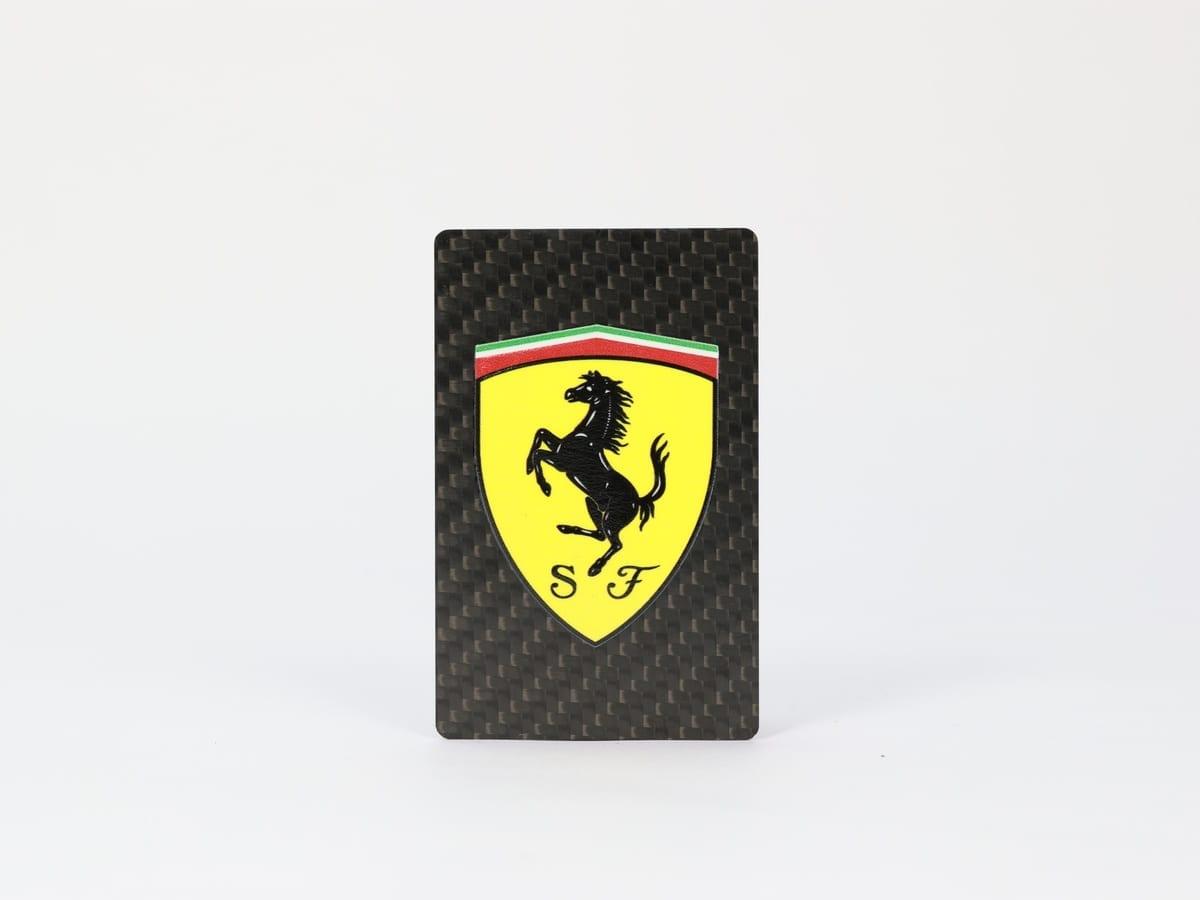
A business card is still one of the fastest ways to exchange contact details — but for many global brands, a thin paper card no longer matches how they sell. Real estate teams, automotive programs, luxury service firms, technology companies, and corporate gifting suppliers increasingly ask for custom carbon fiber business cards that look and feel like the rest of their brand: precise, modern, and built to last beyond a single conference. When digital follow-up matters just as much as the handshake, carbon fiber NFC cards close the gap between a premium physical impression and an instant online action. CarbonFactorys — an ISO 9001–certified carbon fiber OEM/ODM manufacturer — was recently featured on BigNewsNetwork for its custom carbon fiber business card and NFC card solutions; this article explains what B2B buyers should know before sourcing, without repeating that news story.
Business Cards Are Becoming Part of Brand Experience
In B2B sales, the card is often the first branded object a prospect touches after your handshake. For luxury hospitality, private banking, motorsport, proptech, and high-ticket services, that moment sets expectations: craftsmanship, attention to detail, and whether your brand invests in quality at every touchpoint. Paper cards crease, fade in wallets, and end up indistinguishable from hundreds of others collected at the same event.
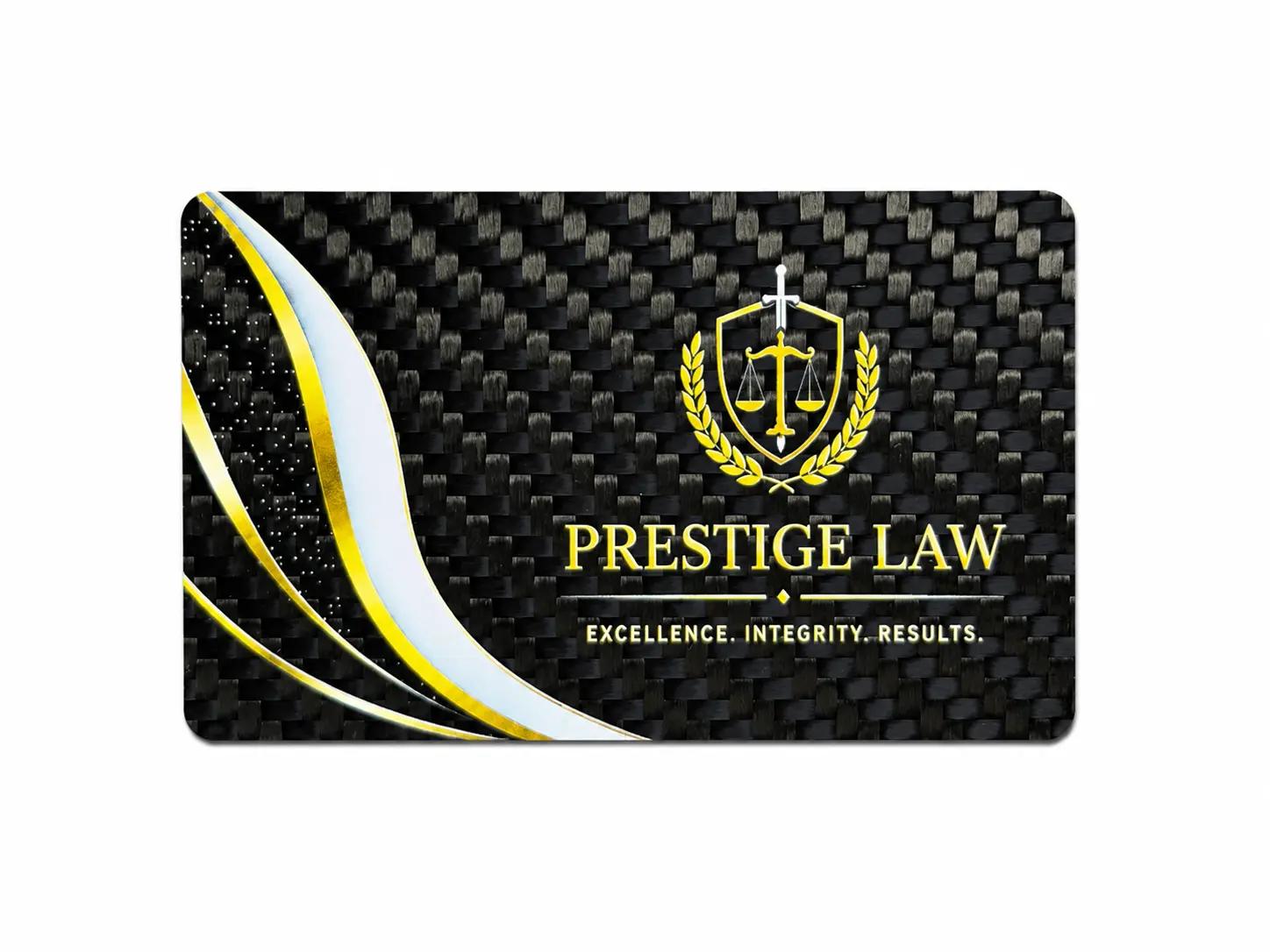
A carbon fiber business card reads differently in hand — lighter than metal, stiffer than plastic, with a visible weave that photographs well and starts conversations. Agencies ordering for client programs and distributors building premium gift lines use the card as a brand experience artifact, not just a URL on cardstock. That shift is why inquiries for custom carbon fiber business cards now come from branding firms and promotional suppliers as often as from end-user companies.
Why Carbon Fiber Works Well for Premium Business Cards
Carbon fiber reinforced polymer (CFRP) laminates bring properties paper and standard PVC cannot match for premium positioning:
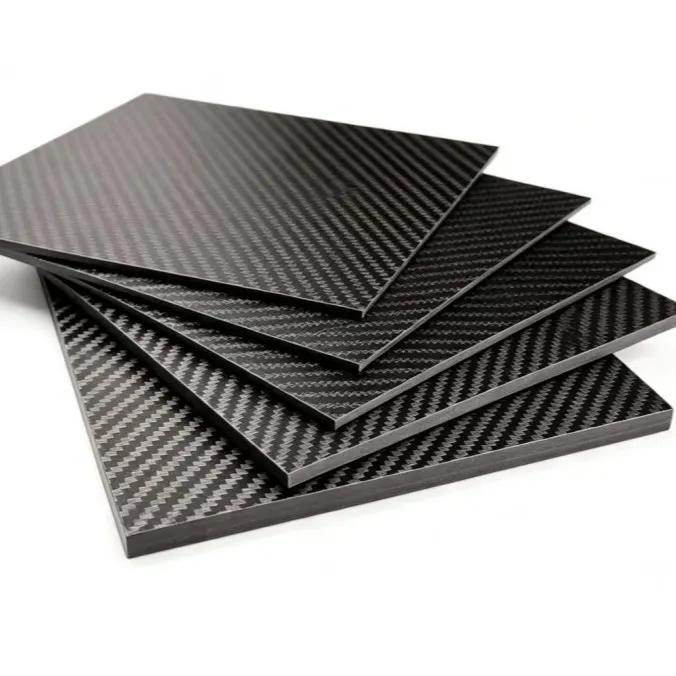
- Real carbon fiber texture — 3K twill or forged patterns are visible under print; the material itself is the design.
- Lightweight but stiff — typically 4–8 g per standard card, substantial feel without wallet bulk.
- Modern black woven appearance — aligns with automotive, aerospace, and technology brand language.
- Better durability than paper — resists bending fatigue and surface scuffing in daily carry.
- Premium hand feel — smooth topcoat over weave reads as engineered, not printed stock.
- Suitable for luxury and tech brands — pairs with spot UV, foil, laser engraving, and NFC without looking gimmicky.
Carbon fiber is not magic — it is a material choice. The upgrade comes from combining the right laminate, surface finish, and print method so the card still looks intentional, not overprinted. That is where a carbon fiber business card manufacturer with in-house lamination and QC matters more than a general print shop.
Customization Options for Carbon Fiber Business Cards
Factory-direct programs for custom carbon fiber business cards usually start from a standard CR80 blank (85.6 × 54 mm) and branch into finish and branding options. Common specifications buyers request:
- 3K twill carbon fiber — classic diagonal weave; most photographed look in the category.
- Forged carbon fiber — chaotic short-fiber pattern for a more aggressive, motorsport aesthetic.
- Matte or glossy finish — matte shows weave depth; gloss increases contrast on logos.
- UV printing — full-color CMYK artwork, gradients, and photographic elements.
- Laser engraving — permanent mark without ink; ideal for serial numbers or subtle logos.
- Logo printing / hot foil — metallic accents on dark carbon fields.
- QR code printing — fallback when NFC is off or for mixed phone fleets.
- Custom thickness — often 0.5–0.8 mm depending on NFC inlay and feel target.
- Rounded corners — CNC-trimmed radius for a softer pocket profile.
- Packaging — individual sleeves, gift boxes, or bulk shipper cartons for corporate programs.
- OEM/ODM private label — your brand on packaging, encoding portal, and insert cards for reseller programs.
Browse the full Cards category for representative SKUs, or start from our custom carbon fiber business cards line. Add NFC encoding on a separate carbon fiber NFC business card run when you need tap-to-share.
Carbon Fiber NFC Cards: Combining Physical Impression With Digital Connection
Carbon fiber NFC cards embed a passive NFC tag (typically NTAG213/215/216) inside the laminate. When a recipient taps the card to a modern smartphone, the phone powers the chip and opens a pre-encoded link — no app required on their side. Payloads buyers commonly use:
- Digital business profile or hosted vCard page
- Company website or product catalog
- Dedicated contact or lead-capture landing page
- WhatsApp click-to-chat or mailto link
- Booking or calendar scheduling URL
- Google review or reputation page
- Social media profile (LinkedIn, Instagram, etc.)
- Custom campaign landing page with UTM tracking
Manufacturing carbon fiber NFC cards is not the same as printing PVC tags. Carbon fiber is conductive; chip and antenna placement, laminate stack, and topcoat thickness all affect read range. A capable carbon fiber NFC card manufacturer tap-tests each batch on iOS and Android, encodes URLs or vCards before shipment, and can lock chips to prevent tampering. For a technical walkthrough of tap behavior and chip types, see our NFC beginner's guide. The flagship carbon fiber NFC business card SKU shows a typical carbon body + encoding workflow. For print-and-foil cards without a chip, see custom carbon fiber business cards.
Who Should Use Custom Carbon Fiber Business Cards?
Not every company needs a premium card — but these segments consistently see ROI from custom carbon fiber business cards and NFC upgrades:
- Real estate agents and agencies — memorable handover at showings and closings.
- Automotive brands, dealerships, and racing teams — material matches category language.
- Luxury service providers — private client advisors, concierge, high-net-worth services.
- Hotels and hospitality brands — VIP check-in, membership, or event credentials.
- Technology companies — founders, sales engineers, and partner programs.
- Finance and wealth management — discreet premium feel without heavy metal cards.
- Corporate gifting and promotional product companies — OEM runs for client brands.
- Event and exhibition organizers — speaker badges, sponsor cards, limited editions.
- Fitness clubs and sports teams — membership tiers with optional NFC check-in.
- Distributors and branding agencies — private-label cards for resale programs.
Why Work Directly With a Carbon Fiber Business Card Manufacturer?
General printers can outsource odd jobs; a carbon fiber business card manufacturer controls the full stack from prepreg or sheet laminate through CNC cut, print, NFC embed, and pack-out. Benefits for B2B buyers:
- Material control — consistent weave direction and batch color across thousands of cards.
- Stable carbon fiber texture — fewer surprises between sample approval and bulk run.
- CNC cutting accuracy — tight tolerances on corners, slots, and custom shapes.
- Edge finishing — polished or painted edges that paper vendors cannot replicate.
- NFC chip testing — read-range QC on real phones, not just bench equipment.
- Bulk order consistency — encoding spreadsheets, serial ranges, and variable names.
- OEM/ODM customization — packaging, inserts, and white-label documentation.
- B2B support — MOQ flexibility, sample credit toward bulk, and export shipping experience.
Working factory-direct also shortens the chain when something must change mid-program — a new URL encoding rule, an extra finish on a second tier, or a rush replenishment before an auto show or property launch.
What B2B Buyers Should Confirm Before Ordering
Use this checklist in your RFQ to avoid rework between sample and mass production:
- Card size — CR80 standard vs mini/custom die-cut.
- Thickness — target weight and pocket fit; thicker if NFC inlay is required.
- Material style — 3K twill vs forged carbon; matte vs gloss topcoat.
- Surface finish — UV print coverage, spot UV, foil, or laser areas.
- Logo method — vector artwork, Pantone references, white underbase needs.
- QR code or NFC function — static vs dynamic profile; encoding per card or single URL.
- Quantity — sample count, bulk MOQ, and tier pricing breakpoints.
- Packaging — retail-ready vs bulk; inserts and language for export markets.
- Lead time — sample days vs production days; rush options.
- Sample requirements — approve physical card before 500+ pc runs.
- Shipping destination — DDP vs EXW; customs and HS code documentation if reselling.
| Stage | Timeline | Notes |
|---|---|---|
| Digital proof + quote | 24–48 hours | Artwork in AI/PDF; include NFC payload spec |
| Physical sample | 7–10 business days | 1–5 pcs; often credited toward bulk |
| Bulk production | 10–15 days after approval | Encoding + tap test included |
| Express shipping | +5–12 days | DHL/FedEx worldwide |
Conclusion
Custom carbon fiber business cards and carbon fiber NFC cards are a practical upgrade when your brand already competes on trust, craftsmanship, or technology — and you want the first physical touchpoint to match. They are not for every mass-mail campaign, but for B2B programs where retention and conversation matter, they outperform paper on durability, perception, and digital follow-through. Whether you are an end brand, agency, or distributor, sourcing from a carbon fiber NFC card manufacturer with real laminate experience reduces the risk of weak reads, inconsistent weave, or print that hides the material you paid for.
Frequently Asked Questions
Common questions from first-time buyers of custom carbon fiber business cards and NFC programs.
What makes custom carbon fiber business cards different from metal or PVC cards?
Carbon fiber cards offer a genuine woven composite look, lighter weight than steel or brass cards, and a stiffness that feels engineered rather than printed. PVC can mimic color but not the same weave depth; metal is heavier and often limited to etching rather than full UV artwork.
Do carbon fiber NFC cards work on all smartphones?
They work on iPhone XS/XR and newer and most NFC-enabled Android phones. Always add a QR code to the same URL for devices without NFC or corporate policies that restrict tag reads.
What is the typical MOQ for OEM carbon fiber cards?
Samples of 1–10 pieces are common for approval. Bulk MOQs often start around 50–100 pieces depending on print and encoding complexity; repeat B2B buyers may negotiate lower thresholds.
Can distributors order private-label carbon fiber NFC cards?
Yes. OEM/ODM programs can include custom packaging, encoding instructions, and variable data per card for reseller or corporate gifting lines.
How long does production take after sample approval?
Bulk production is often 10–15 business days after signed approval, plus express shipping. Complex multi-finish or variable-encoding runs may add a few days.
Does carbon fiber block NFC signals?
Conductive carbon can detune antennas if the chip is placed incorrectly. Experienced manufacturers position the inlay and laminate stack specifically for carbon bodies and tap-test before shipment.
Sources & Further Reading
- BigNewsNetwork — CarbonFactorys custom carbon fiber business cards and NFC card solutions
- Markets Insider — MASTERMATE carbon fiber NFC smart card expansion (Jul 2026)
- TechBullion — Why carbon fiber NFC cards are redefining smart business networking
- TechBullion — Carbon fiber manufacturing meets NFC technology
- CarbonFactorys — Custom carbon fiber OEM/ODM manufacturer
- ISO/IEC 7810 — ID-1 card size (CR80)
- NXP — NTAG product family overview
Need Custom Carbon Fiber Products?
Our engineering team helps brands worldwide develop OEM carbon fiber solutions with low MOQs and rapid prototyping.
Request a Quote Today.