Carbon Fiber Business Cards: Why They Impress, Finishes & How to Order Custom
A complete guide to carbon fiber business cards — why they make a premium impression, weave and forged finishes, UV printing vs laser engraving, thickness, carbon vs metal vs paper, optional NFC, and how to order custom or private-label cards factory-direct.
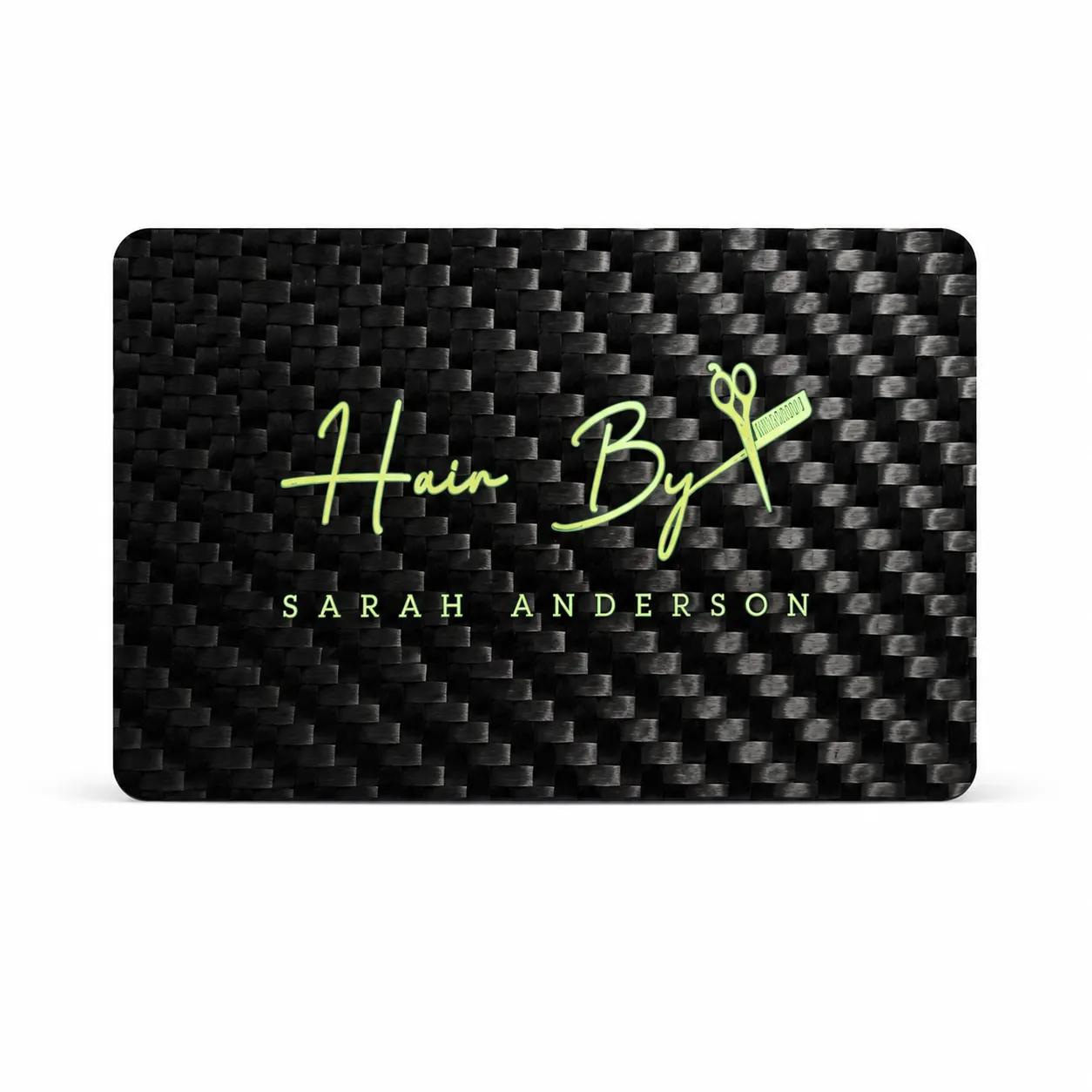
MASTERMATE manufactures custom carbon fiber business cards and NFC cards using real carbon fiber laminates, precision CNC processing and multiple logo-finishing methods.
A paper card gets recycled; a carbon fiber business card gets kept. For executives, luxury brands and anyone who wants to be remembered, a carbon card turns a handshake into an impression — it is light as paper but feels engineered, with a weave pattern most people have never held. This guide covers what they are, the finish and printing options, how carbon compares to metal and paper, and how to order custom or private-label.
For carbon fiber cards, MASTERMATE supports CNC cutting, UV printing, laser engraving, foil stamping, NFC integration and customized surface finishing. See the MASTERMATE Engineering Team card manufacturing guides or browse custom carbon fiber business cards.
What Is a Carbon Fiber Business Card?
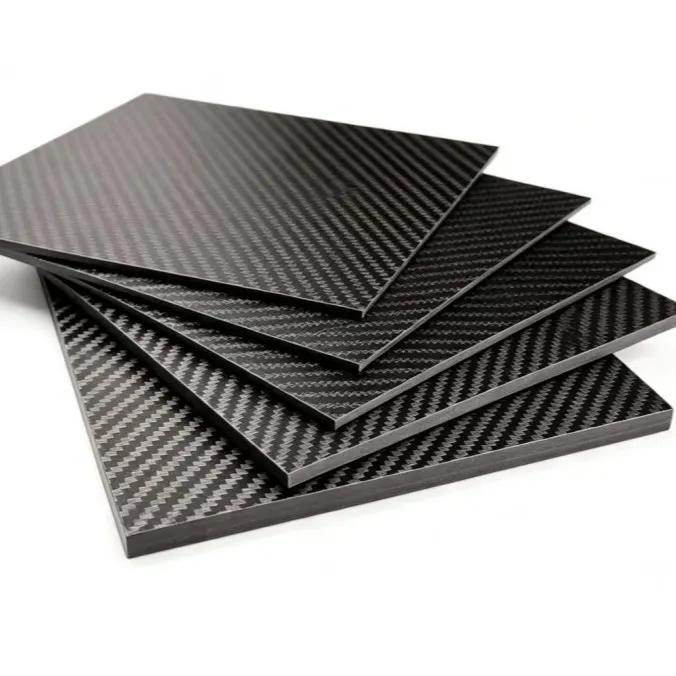
A carbon fiber business card is a thin card made from carbon-fiber-reinforced polymer (CFRP) — woven carbon cloth (or chopped "forged" carbon) cured in resin and clear-coated [1]. Typical thickness is 0.5-1.0 mm, so it stays slim in a wallet while feeling far more solid than paper.
- Material — woven 3K twill (classic look) or forged marbled carbon.
- Thickness — usually 0.5-1.0 mm; thinner for wallets, thicker for a premium heft.
- Finish — gloss clear coat (deepens the weave) or matte (understated, hides fingerprints).
- Optional NFC — embed a chip to make it tap-to-share (see our NFC business cards guide).
Branding: UV Printing vs Laser Engraving
Two ways to put your logo and details on a carbon card — they can be combined [2].
| Factor | UV full-color print | Laser engraving |
|---|---|---|
| Color | Full CMYK + white | Monochrome (etched) |
| Look | Vivid logos, photos | Subtle, premium, permanent |
| Best for | Colorful brands | Minimal/luxury branding |
| Durability | Very good under clear coat | Permanent (into surface) |
| Combine? | Yes — print + engrave | Yes |
Carbon Fiber vs Metal vs Paper Cards
| Factor | Carbon fiber | Metal | Paper |
|---|---|---|---|
| Weight | Ultra-light | Heavy | Lightest |
| Impression | High-tech, premium | Premium, weighty | Standard |
| Durability | Very high | Very high | Low (bends, tears) |
| Reusable | Yes (kept) | Yes | No |
| NFC option | Yes | Yes | Limited |
| Cost per card | Higher | Highest | Lowest |
Sourcing Custom & Private-Label Cards Factory-Direct
Buying factory-direct removes distributor markups and unlocks custom finishes, printing and branding for brands, agencies and resellers [3].
- Stock thickness + finish — low MOQ, fastest lead time.
- Custom — weave/forged, thickness, gloss/matte, UV print + laser engrave, cut-outs.
- Add NFC — embed and pre-encode a chip to your URL/vCard.
- Private label — your packaging and branding for resale; volume pricing.
Browse the Cards category for custom carbon fiber business cards (print/foil) and optional NFC lines, or use the custom page to send artwork. New to the material? Start with What Is Carbon Fiber?.
Frequently Asked Questions
The questions buyers ask most about carbon fiber business cards.
What makes carbon fiber business cards premium?
It is the combination of look, feel and durability. The woven (or forged marbled) carbon pattern under a clear coat reads as high-tech and expensive, the card is ultra-light yet stiff, and it survives a wallet for years without bending or tearing like paper. For executives and luxury brands, handing over a carbon card is memorable in a way a paper card is not.
How do you put a logo on a carbon fiber card?
Two main methods, and they can be combined. UV full-color printing lays down CMYK (with a white underlay) for vivid logos and photos, protected under the clear coat. Laser engraving etches a permanent, subtle monochrome mark into the surface — popular for minimal, luxury branding. Many cards use UV print on one side and an engraved logo on the other.
How thick is a carbon fiber business card?
Typically 0.5-1.0 mm. Around 0.5-0.8 mm keeps it slim and wallet-friendly while still feeling solid; 1.0 mm gives a heftier, more premium feel. We can produce the thickness you want, and recommend 0.8 mm as a balanced default for most brands.
Can a carbon fiber business card also have NFC?
Yes. We can embed an NFC chip (NTAG-class) inside the carbon card so a tap to a smartphone opens your contact details or a digital profile — combining a premium material with smart tap-to-share. The chip is pre-encoded to your URL or vCard before shipping. See our NFC business cards guide for how the chip side works.
Carbon fiber vs metal business cards — which is better?
Both are premium and durable; the difference is feel and weight. Carbon fiber is ultra-light and high-tech looking with a distinctive weave, while metal is heavier and has a solid, substantial feel. Carbon suits a modern, engineered brand image; metal suits a classic, weighty luxury feel. Both accept printing/engraving and can carry NFC.
Can you produce custom or private-label carbon fiber cards?
Yes. We make carbon fiber business cards with OEM/ODM and private-label service: your weave or forged finish, thickness, gloss/matte, UV print and laser engraving, optional NFC, plus your packaging and branding for resale. Stock options have low MOQs. Tell us the finish, print method, thickness and quantity for a quote with MOQ and lead time.
Sources & Further Reading
Need Custom Carbon Fiber Products?
Our engineering team helps brands worldwide develop OEM carbon fiber solutions with low MOQs and rapid prototyping.
Request a Quote Today.