Carbon Fiber Hood & Spoiler Guide: Weight, Vents, Downforce & Fitment
The two most popular carbon car upgrades — hoods and spoilers. Real weight savings, vented vs sealed hoods, lip spoiler vs functional GT wing, hood pins, real vs forged, and how to order factory-direct.
This technical guide was prepared by the MASTERMATE Engineering Team based on our experience in carbon fiber material selection, composite manufacturing, CNC machining and OEM/ODM production.
Of all the carbon parts a car owner can buy, two dominate the wishlist: the hood and the spoiler. A carbon hood is the biggest single weight saving you can bolt on, and the most visible statement on the front of the car. A spoiler or wing defines the rear silhouette and, done right, actually changes how the car behaves at speed. But both are full of traps — a "carbon look" hood that is heavier than steel, or a giant wing that adds drag and no downforce. This guide is the briefing we give buyers sourcing carbon hoods and spoilers from our factory.
Carbon Hoods: The Biggest Single Weight Saving
A hood is large, flat and made of heavy steel from the factory — which makes it the highest-payoff carbon swap on the car. Replacing it removes mass high up and ahead of the front axle, exactly where weight hurts handling most [1].
Vented vs Sealed Hoods
Once you go carbon, the next decision is whether to vent. Vents are not just styling — they change underhood airflow and front-end lift [2].
| Type | Function | Best for | Note |
|---|---|---|---|
| Sealed (smooth) | Cosmetic-structural; clean look | Street, show | Lightest, simplest |
| Vented | Releases heat, reduces front lift | Track, turbo/high-heat engines | Needs correct vent placement |
| Ram-air / scooped | Directs air to intake | Performance builds | Function depends on sealing to intake |
Hood Pins: The Detail People Forget
A carbon hood is far lighter than the steel one the car's latch and dampers were designed for. That makes secure mounting a genuine safety item, not an accessory [3].
- OEM latch + gas struts are tuned for a heavy steel hood; a light carbon hood can flutter at speed.
- Aftermarket hood pins or quick-release latches positively secure the leading edge.
- They are a safety necessity on many carbon hoods, not just a racing look — a hood lifting at speed is catastrophic.
- Confirm whether your carbon hood retains the OEM latch or requires pins before you order.
Spoilers vs Wings: Cosmetic vs Functional
People use "spoiler" and "wing" interchangeably, but aerodynamically they are different devices. Knowing which you want changes both the look and whether it does anything at speed [4].
| Device | How it works | Downforce | Best for |
|---|---|---|---|
| Lip / ducktail spoiler | Disrupts airflow off the trunk edge | Minimal | Clean OEM+ look |
| Pedestal GT wing | Airfoil on stands in clean air | Real, adjustable | Track downforce |
| Roof / chase spoiler | Smooths flow to a lower wing | Indirect | Hatchbacks, styling |
Real Carbon vs Forged vs "Carbon Look"
Both parts are big visible surfaces, so construction honesty matters — especially on a hood, where a fake "carbon look" panel can actually weigh more than the steel it replaced [5].
| Construction | Look | Real carbon? | Note |
|---|---|---|---|
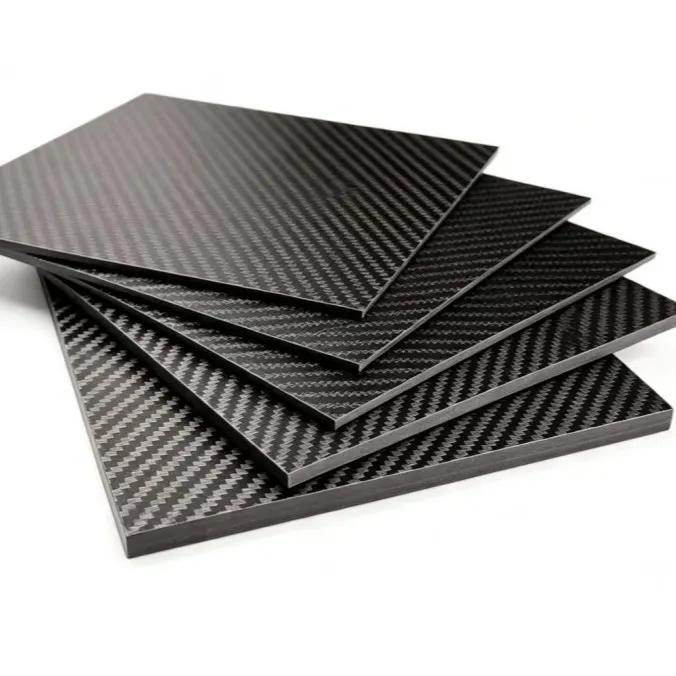
| Woven prepreg / wet layup | Crisp twill weave | Yes | Correct for structural hoods & wings |
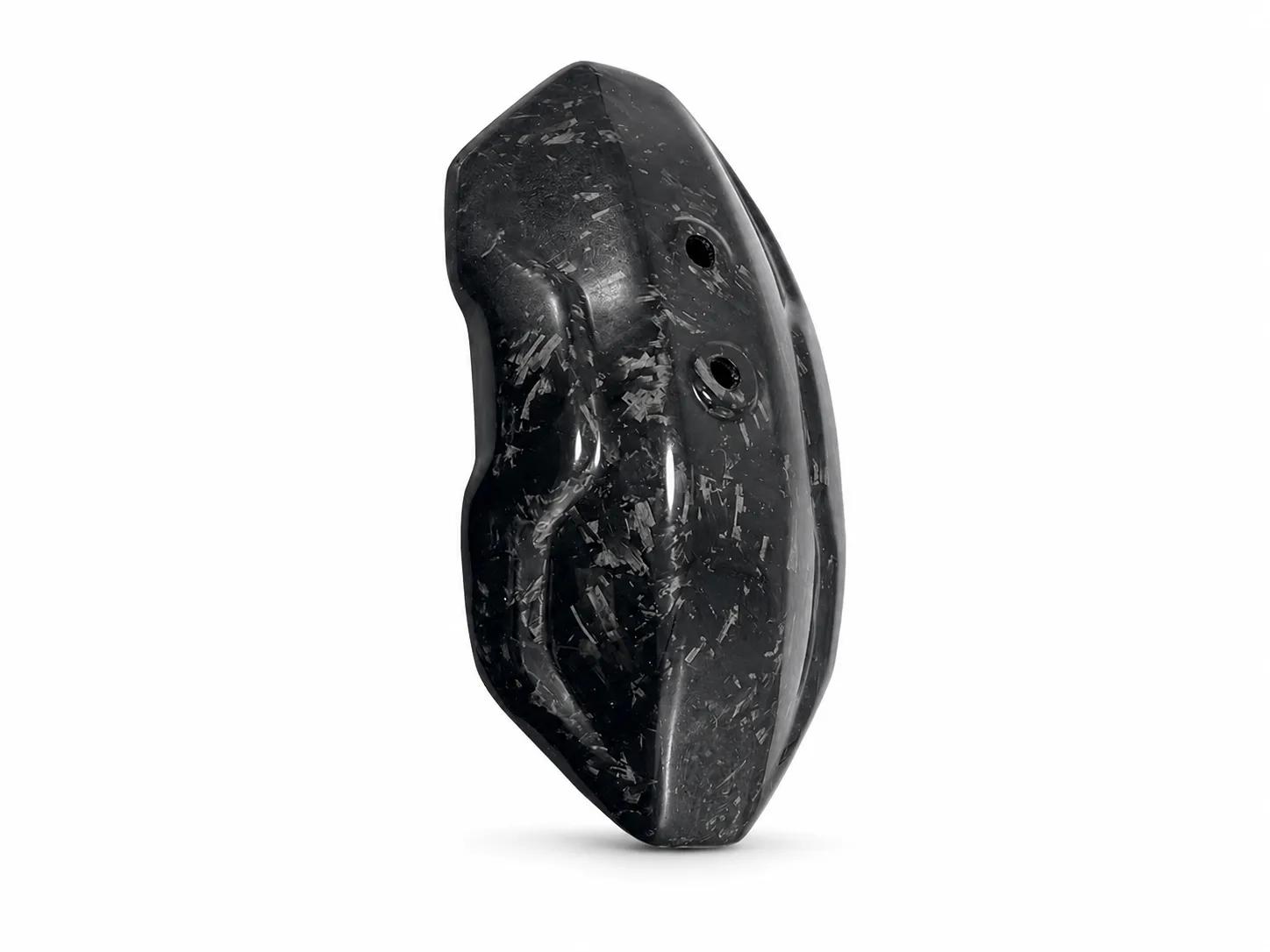
| Forged carbon | Marbled | Yes (chopped fiber) | Trim, accents; complex shapes |
| Carbon + fiberglass | Carbon top skin | Partly | Cost-down; heavier |
| Hydro-dip "carbon look" | Printed on FRP/steel | No | Can weigh more than steel — avoid for weight |
How Carbon Hoods & Spoilers Are Made
- 1. CAD or 3D scanStart from CAD or 3D-scan the OEM hood/trunk (±0.1 mm) for exact fit and mounting points.
- 2. Mold makingCNC master + production mold built to the scanned geometry, including vent and wing-mount features.
- 3. LayupWoven prepreg or wet-layup carbon laid with the weave aligned to load path; cores added where needed.
- 4. CureVacuum-bag or autoclave cure for a consolidated, void-free laminate.
- 5. Trim & fitCNC-trim edges, vents and mount holes; test-fit against OEM hardpoints.
- 6. Clear coat2K automotive UV-stable clear coat (gloss or matte) for 5+ years outdoors.
Cost, MOQ & Ordering
| Part | Existing tooling? | MOQ | Indicative cost |
|---|---|---|---|
| Lip / ducktail spoiler | Popular models yes | 5–30 | $90–280 |
| Pedestal GT wing | Often yes | 5–20 | $220–600 |
| Carbon hood (sealed) | Popular models yes | 1–20 | $300–650 |
| Carbon hood (vented) | Popular models yes | 1–20 | $380–750 |
| New custom hood/wing | No — new mold | 1+ (mold $1.5k–8k) | Quoted per geometry |
Sourcing Factory-Direct or Private-Label
Order a hood or spoiler for a popular model, or have us produce them under your brand. Fastest routes to a quote:
- Name the car + part + style: e.g. "vented carbon hood for a 2019 Civic Type R" — existing tooling skips mold cost.
- Send the OEM part or a 3D scan for a new or rare model.
- For a brand: OEM/private-label hoods and wings to your spec and logo, with tooling you own.
Browse the Automotive Parts Manufacturer hub for exterior OEM lines, or use the custom page to quote hoods, spoilers and wings as mould programs. Related reading: custom carbon fiber car parts, body kits and interior trim.
Frequently Asked Questions
The questions our automotive sales engineers field most about hoods and spoilers.
How much weight does a carbon fiber hood save?
Typically 8–14 kg versus a steel OEM hood — a carbon hood weighs roughly 5–7 kg against 16–20 kg for steel. Because a hood sits high and ahead of the front axle, removing that weight has an outsized effect on steering response and weight transfer, which is why a carbon hood is the classic first big-ticket carbon upgrade.
Do I need hood pins for a carbon fiber hood?
Often yes. The OEM latch and gas struts are tuned for a heavy steel hood, and a much lighter carbon hood can flutter or, worst case, lift at speed. Aftermarket hood pins or quick-release latches positively secure the leading edge and are a genuine safety item on many carbon hoods — confirm whether your hood retains the OEM latch or requires pins before ordering.
What is the difference between a spoiler and a wing?
A lip or ducktail spoiler disrupts airflow at the trunk edge and is mostly cosmetic, adding minimal downforce. A pedestal GT wing is an airfoil mounted on stands in clean air and generates real, often adjustable downforce — at the cost of drag. Choose a spoiler for an OEM+ look and a wing for genuine track downforce.
Is a vented carbon hood worth it over a sealed one?
For street and show, a sealed hood is lighter and cleaner. A vented hood is worth it if you run a hot engine (turbo, track use) because it releases underhood heat and can reduce front-end lift — but only with correct vent placement. Ram-air scoops only help if properly sealed to the intake.
Can a "carbon look" hood weigh more than steel?
Yes. A hydro-dipped "carbon look" hood is usually fiberglass or steel with a printed film — it is not real carbon and can weigh as much as or more than the OEM steel hood while adding none of the weight benefit. If weight saving is your goal, insist on a genuine woven or forged carbon laminate and ask for the actual weight.
Can you manufacture carbon hoods and spoilers under my own brand?
Yes. We offer OEM/private-label production of hoods, spoilers and GT wings to your spec and logo, with tooling you own and an NDA in place. We can start from existing tooling for popular models or build new tooling from a 3D scan or CAD. Send your model list, styles (sealed/vented hood, lip/GT wing) and volumes for a quote.
Sources & Further Reading
Need Custom Carbon Fiber Products?
Our engineering team helps brands worldwide develop OEM carbon fiber solutions with low MOQs and rapid prototyping.
Request a Quote Today.