How to Care for Carbon Fiber Cards, NFC Cards & Sheets
Clean and protect real carbon fiber business cards, NFC smart cards and CFRP sheets/plates — safe cleaners, clear-coat care, NFC chip do’s and don’ts, storage and longevity tips from a Shenzhen OEM factory.
This technical guide was prepared by the MASTERMATE Engineering Team based on our experience in carbon fiber material selection, composite manufacturing, CNC machining and OEM/ODM production.
Buyers of custom carbon fiber business cards, carbon fiber NFC cards and carbon fiber sheets & plates ask the same question after delivery: how do we keep the weave looking factory-new? This guide is written for B2B teams, VIP programs and engineers who handle real CFRP parts — not printed “carbon look” PVC.
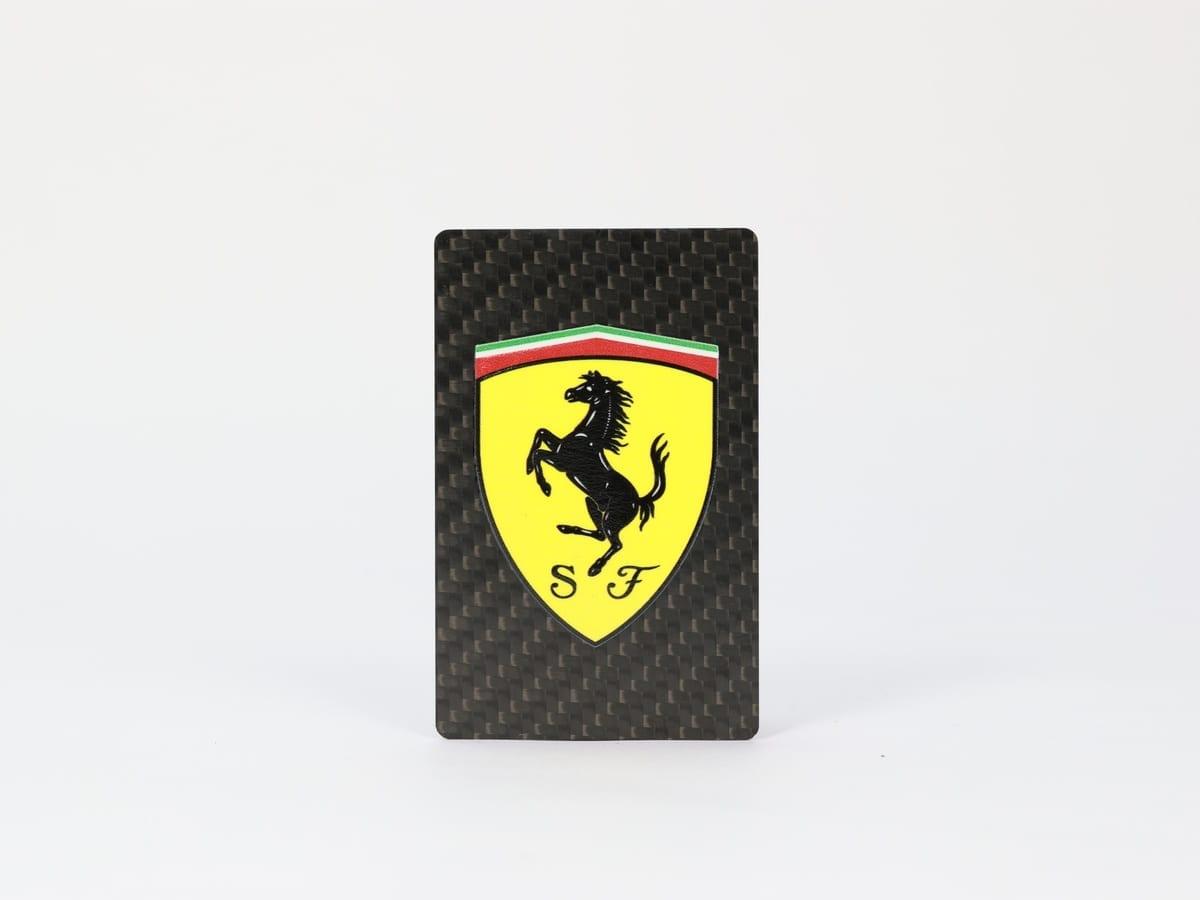
What You Are Cleaning: Clear Coat Over Real CFRP
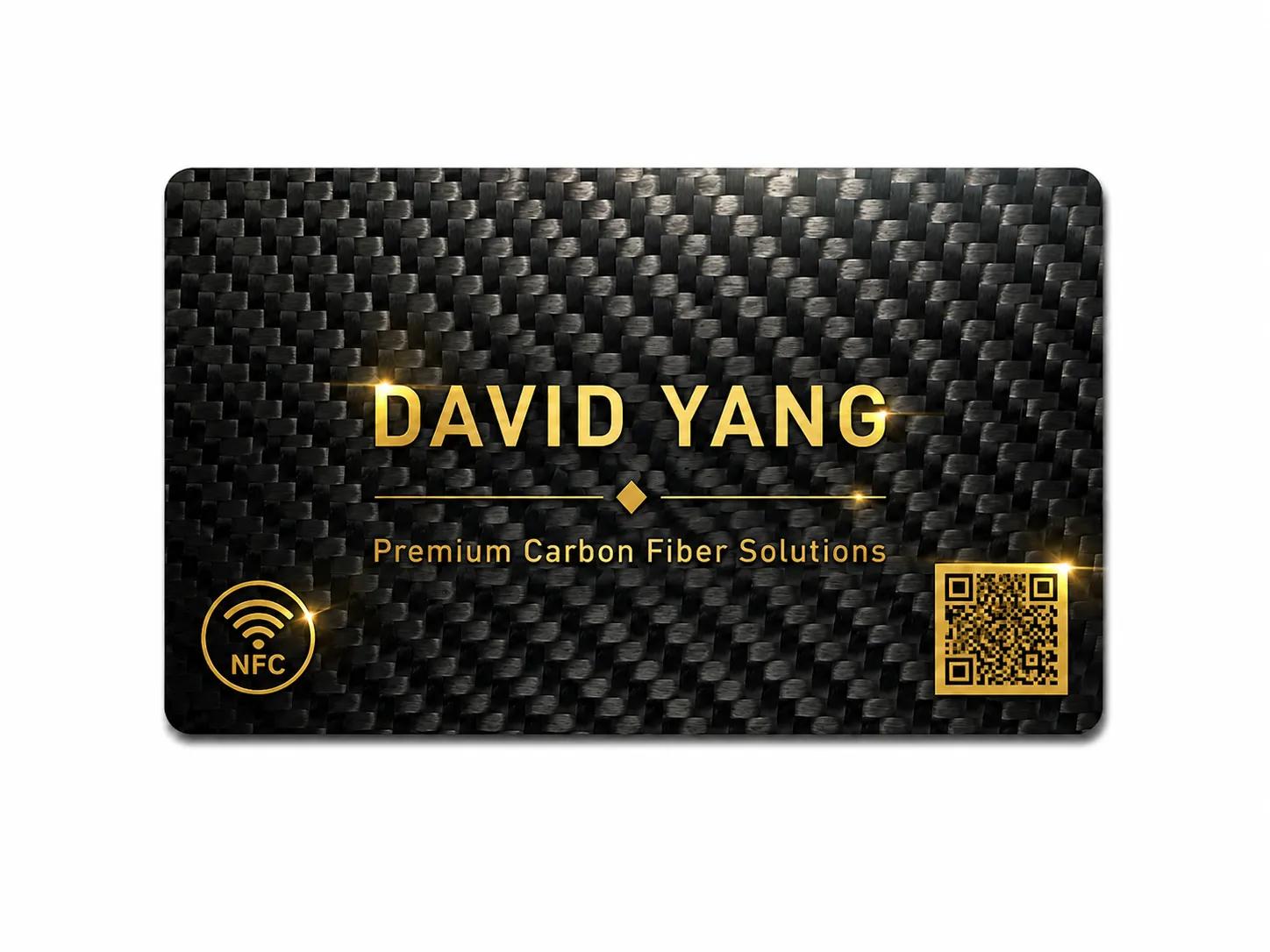
On MASTERMATE cards and decorative sheets, woven or forged carbon is sealed under epoxy resin and a UV-stable clear coat (typically urethane). The fibers themselves do not stain from fingerprints. Smudges, haze and micro-scratches live in the topcoat. Cleaning products that soften polyurethane or epoxy will dull the finish permanently — the same chemistry explained in our wallet care guide applies to cards and flat stock.
Daily Care for Carbon Fiber Business Cards
- 1. Dry wipe after eventsAfter handoffs or VIP dinners, wipe each card with a clean microfiber cloth in straight strokes along the weave.
- 2. Separate from keys and coinsDo not store cards loose with keys in the same pocket or pouch — metal edges leave hairline scratches in the clear coat.
- 3. Avoid card-on-card abrasionIn a bulk pack, use separators or sleeves. Stacking bare gloss cards under pressure can polish faint rub marks into the finish.
- 4. Skip “wallet polish” kitsAutomotive compounds and silicone dressings are for paint systems, not card-scale clear coats. They haze or streak.
For OEM print-only and foil programs, see the carbon fiber business cards overview and the Cards category catalog.
Extra Care for NFC Carbon Fiber Cards
An NFC smart business card or carbon fiber NFC card adds an NTAG chip and antenna inlay. The clear-coat rules above still apply; add these chip-safe habits:
- No hard creases — do not fold or torque the card. Antenna loops can crack if the laminate is bent past a few degrees.
- No ultrasonic jewelry cleaners — vibration and solvents can delaminate inlays or flood edges.
- Avoid strong magnets and RFID blockers pressed hard over the chip zone for long storage — everyday phone magnets nearby are fine; metal clip wallets that crush the card mid-face are not.
- Do not soak — a damp wipe is fine; standing water at edges can wick toward the inlay over time.
- Re-encode only with approved tools — if a campaign URL changes, ask your OEM for batch re-encoding rather than scraping the face.
Catalog formats and OEM encoding notes: NFC cards guide and the NFC cards hub.
Caring for Carbon Fiber Sheets & Plates
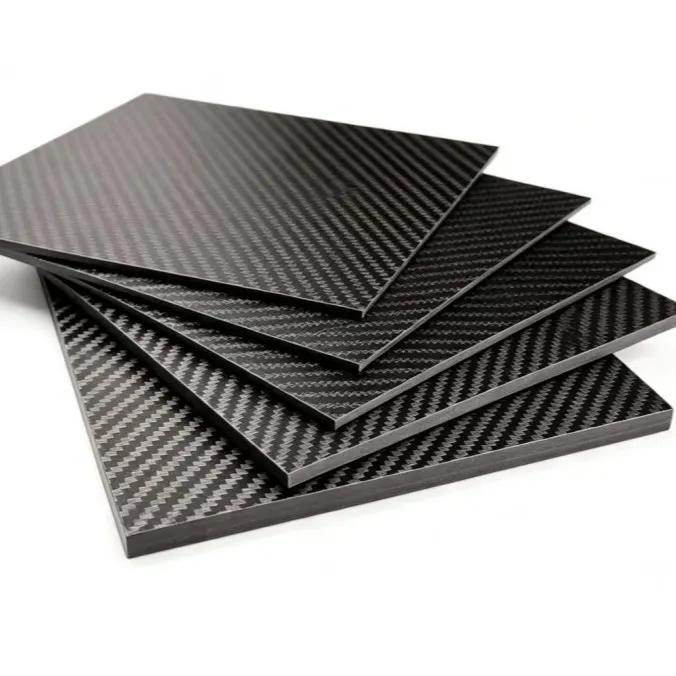
Raw and finished sheets and plates follow the same chemistry (clean the resin face), plus shop-floor handling:
- Store flat on a clean, soft surface — edge-on leaning can chip corners and print marks into gloss faces.
- Protect edges with foam or cardboard when nesting multiple plates.
- Wipe sawdust and coolant residue promptly after CNC; dried slurry is abrasive.
- Do not drag one plate across another — lift and place.
- Keep away from open solvents used for mold release (acetone, MEK) — vapors alone can haze nearby clear-coated samples.
Safe Cleaners vs. Finish Killers
| Agent | Safe? | Notes |
|---|---|---|
| Dry microfiber | Yes | Daily wipe; straight strokes along the weave |
| Distilled water (damp cloth) | Yes | Fingerprints and dust |
| pH-neutral soap 1:50 | Yes | Deep clean; rinse and dry immediately |
| 70% IPA (quick wipe) | Sparingly | Ink or adhesive residue only — do not soak |
| Acetone / paint thinner | No | Dissolves epoxy and clear coat |
| Ammonia glass cleaner | No | Attacks polyurethane topcoat |
| Bleach / chlorine | No | Oxidizes resin; permanent haze |
| Abrasive polish / compound | No | Thins the clear coat on thin card stock |
Storage, Heat and UV
- Keep cards in sleeves or a soft pouch when not in a card case.
- Avoid dashboards and windowsills — sustained UV yellows some older topcoats; MASTERMATE UV-cure urethanes are stable indoors for years, but shade is still best.
- Do not leave cards in a closed hot car above ~80 °C / 176 °F equivalent — resin softens long before fibers fail.
- For promotional kits, leave silica gel in the gift box during long warehouse storage.
How Long Should Carbon Fiber Cards Last?
With normal pocket and event use plus the routine above, expect years of sharp weave appearance. Edges take the most wear; corner chips are cosmetic unless the NFC inlay is compromised. For brand programs that need periodic refresh, OEM reprint or re-clear-coat is usually cheaper than switching to disposable paper stock — ask via contact or custom OEM.
Frequently Asked Questions
Common support questions from card and materials buyers.
Can I clean a carbon fiber business card with alcohol wipes?
A quick wipe with 70% isopropyl alcohol is acceptable for sticky residue or ink. Do not soak the card or use alcohol daily — repeated contact can soften the clear coat. Prefer microfiber and diluted mild soap for routine cleaning.
Will water damage an NFC carbon fiber card?
A damp wipe is fine. Do not soak the card or run it through ultrasonic cleaners. Standing water at the edges can eventually wick toward the chip inlay. Dry immediately if the card gets wet.
Why does my gloss carbon fiber card look cloudy?
Usually soap residue, circular wiping with paper towels, or ammonia-based glass cleaner. Re-wipe with distilled water on microfiber in straight strokes, then dry. If the haze remains after acetone exposure, the clear coat may be permanently etched — contact us about re-coat options.
How should I store unused carbon fiber sheets?
Store flat, protected from grit, with soft separators between faces. Keep solvents and mold-release chemicals away from decorative clear-coated samples. Wipe CNC dust promptly so it does not act as an abrasive.
Is carbon fiber care different for matte vs gloss cards?
Cleaning chemistry is the same. Matte hides light scratches better but shows fingerprints more; wipe more often with a dry cloth. Gloss shows swirl marks from circular polishing — always wipe along the weave.
Sources & Further Reading
Need Custom Carbon Fiber Products?
Our engineering team helps brands worldwide develop OEM carbon fiber solutions with low MOQs and rapid prototyping.
Request a Quote Today.